Harmonic drive components are crucial in a wide range of industries, from robotics to aerospace, due to their high torque transmission, compact size, and excellent precision. As a supplier of harmonic drive components, ensuring the quality and performance of these parts is of utmost importance. In this blog, I will discuss the various inspection methods we use to guarantee the reliability and functionality of our harmonic drive components. Harmonic Drive Components

Visual Inspection
Visual inspection is the most basic yet essential method for examining harmonic drive components. It involves a thorough examination of the components’ surfaces for any visible defects, such as cracks, scratches, or deformities. This inspection is typically carried out using magnifying glasses or microscopes to detect even the smallest imperfections.
We start by inspecting the outer surface of the harmonic drive components, looking for any signs of damage or wear. This includes checking the teeth of the flexspline and the circular spline for any chipping or excessive wear. We also examine the housing and other structural components for any cracks or deformities that could affect the component’s performance.
In addition to surface inspection, we also check the dimensional accuracy of the components. This involves measuring the critical dimensions of the parts using precision measuring tools, such as calipers and micrometers. By comparing the measured dimensions with the specified tolerances, we can ensure that the components meet the required standards.
Dimensional Inspection
Dimensional inspection is a critical step in ensuring the proper fit and functionality of harmonic drive components. It involves measuring the various dimensions of the components, such as the diameter, length, and thickness, to ensure they are within the specified tolerances.
We use a variety of precision measuring tools, including coordinate measuring machines (CMMs), to perform dimensional inspections. CMMs are highly accurate and can measure the dimensions of components with a high degree of precision. They are capable of measuring complex geometries and can provide detailed reports of the measured dimensions.
In addition to CMMs, we also use other measuring tools, such as calipers, micrometers, and gauges, to perform dimensional inspections. These tools are used to measure the critical dimensions of the components, such as the tooth profile and the pitch diameter. By ensuring that these dimensions are within the specified tolerances, we can ensure that the components will fit together properly and function as intended.
Material Analysis
Material analysis is an important part of the inspection process for harmonic drive components. It involves analyzing the composition and properties of the materials used in the components to ensure they meet the required standards.
We use a variety of techniques to perform material analysis, including spectroscopy, hardness testing, and metallography. Spectroscopy is used to analyze the chemical composition of the materials, while hardness testing is used to measure the hardness of the materials. Metallography is used to examine the microstructure of the materials, which can provide valuable information about their properties and performance.
By performing material analysis, we can ensure that the materials used in our harmonic drive components are of high quality and meet the required standards. This helps to ensure the reliability and durability of the components, as well as their performance in various applications.
Performance Testing
Performance testing is a crucial step in ensuring the functionality and reliability of harmonic drive components. It involves testing the components under various conditions to evaluate their performance and ensure they meet the required specifications.
We use a variety of testing equipment and techniques to perform performance testing, including dynamometers, torque sensors, and vibration sensors. These tools are used to measure the torque, speed, and other performance parameters of the components.
In addition to performance testing, we also perform endurance testing to evaluate the long-term reliability of the components. Endurance testing involves running the components for an extended period of time under simulated operating conditions to ensure they can withstand the stresses and strains of continuous use.
By performing performance testing and endurance testing, we can ensure that our harmonic drive components are reliable and can perform as expected in various applications. This helps to build trust with our customers and ensures that they are getting high-quality products that meet their needs.
Non-Destructive Testing
Non-destructive testing (NDT) is a valuable tool for inspecting harmonic drive components without causing damage to the parts. It involves using various techniques to detect internal defects, such as cracks or voids, in the components.
We use a variety of NDT techniques, including ultrasonic testing, magnetic particle testing, and X-ray testing. Ultrasonic testing is used to detect internal defects in the components by sending high-frequency sound waves through the material. Magnetic particle testing is used to detect surface and near-surface defects in ferromagnetic materials. X-ray testing is used to detect internal defects in the components by using X-rays to penetrate the material.
By using NDT techniques, we can detect internal defects in the components that may not be visible during visual inspection. This helps to ensure the quality and reliability of the components, as well as their performance in various applications.
Conclusion
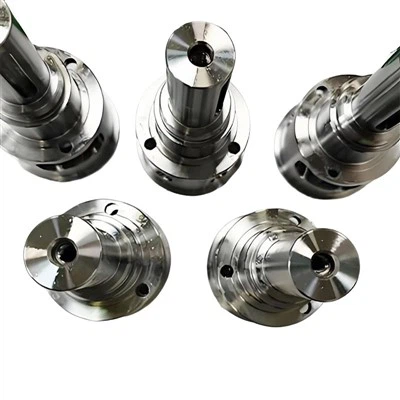
As a supplier of harmonic drive components, we take the quality and performance of our products very seriously. We use a variety of inspection methods, including visual inspection, dimensional inspection, material analysis, performance testing, and non-destructive testing, to ensure that our components meet the required standards and are reliable and functional.
Humanoid Robot Skeleton If you are in the market for high-quality harmonic drive components, we encourage you to contact us to discuss your specific needs. Our team of experts can provide you with detailed information about our products and services, as well as help you select the right components for your application. We look forward to working with you and helping you achieve your goals.
References
- "Harmonic Drive Technology: Principles, Design, and Applications" by Shigley, J. E., & Mischke, C. R.
- "Mechanical Engineering Design" by Shigley, J. E., & Mischke, C. R.
- "Materials Science and Engineering: An Introduction" by Callister, W. D., & Rethwisch, D. G.
Jiangsu Zhengfang Dynamics Technology Co., Ltd.
As one of the most professional harmonic drive components manufacturers and suppliers in China, we’re featured by quality products and good price. Please rest assured to buy customized harmonic drive components made in China here from our factory. Contact us for pricelist.
Address: Building 3, No. 69 Feitian Avenue, Jiangning District, Nanjing City, Jiangsu Province
E-mail: hanks.liu@zfdynamics.com
WebSite: https://www.zhengfangdongli.com/
