A built-in gas hob is a popular and practical choice for modern kitchens. When it comes to an island kitchen, many people wonder if a built-in gas hob can be installed there. As a supplier of built-in gas hobs, I’ve had numerous discussions with customers about this topic. In this blog, I’ll explore the possibility, benefits, considerations, and steps involved in installing a built-in gas hob in an island kitchen. Built-in Gas Hob
Can a Built-in Gas Hob Be Installed in an Island Kitchen?
The short answer is yes, a built-in gas hob can be installed in an island kitchen. However, the installation process is more complex than in a regular kitchen and requires careful planning and compliance with relevant safety regulations.
Safety Regulations
One of the primary concerns when installing a gas hob in an island kitchen is safety. Gas appliances, by their nature, carry a risk of gas leaks, fires, and explosions if not installed and maintained properly. Therefore, it’s essential to follow local building codes and safety standards. These regulations may specify the minimum distance between the gas hob and combustible materials, the type of ventilation required, and the need for a gas shut-off valve.
In many regions, a professional gas fitter must carry out the installation. A qualified installer will ensure that the gas supply is properly connected, the hob is securely installed, and all safety measures are in place. This not only protects the occupants of the home but also ensures that the property is compliant with insurance requirements.
Ventilation
Proper ventilation is crucial when installing a built-in gas hob in an island kitchen. Gas hobs produce combustion by-products such as carbon monoxide, nitrogen dioxide, and water vapor. Without adequate ventilation, these pollutants can build up in the kitchen, posing a health risk to the occupants.
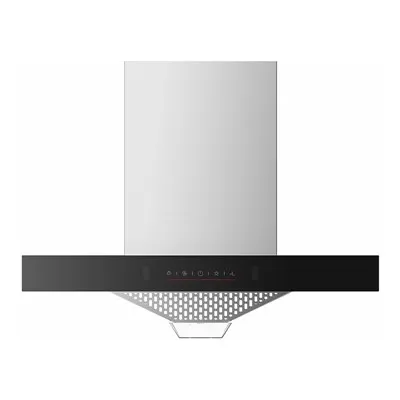
There are several types of ventilation systems that can be used in an island kitchen. The most common is an under-cabinet or ceiling-mounted range hood. These hoods can effectively capture and remove the pollutants generated by the gas hob. Another option is a downdraft ventilation system, which is installed in the countertop next to the hob. Downdraft systems are less obtrusive than range hoods but may be less effective in capturing pollutants.
When choosing a ventilation system, it’s important to consider the size of the kitchen, the power of the gas hob, and the airflow requirements. The ventilation system should be able to handle the volume of pollutants generated by the gas hob and provide adequate air exchange in the kitchen.
Benefits of Installing a Built-in Gas Hob in an Island Kitchen
Installing a built-in gas hob in an island kitchen offers several benefits:
Enhanced Cooking Experience
Gas hobs provide instant heat control, allowing you to quickly adjust the flame intensity. This makes it easier to cook a variety of dishes, from delicate sauces to searing steaks. The island kitchen layout also provides a central cooking area, which can be convenient for entertaining and interacting with guests while cooking.
Aesthetic Appeal
A built-in gas hob can enhance the aesthetic appeal of an island kitchen. It adds a sleek and modern look to the countertop and can be a focal point of the kitchen. The island kitchen layout also allows you to showcase the gas hob and make it a part of the overall design of the kitchen.
Increased Property Value
A well-designed island kitchen with a built-in gas hob can increase the value of your property. It’s a desirable feature for many homebuyers and can make your home more attractive on the real estate market.
Considerations Before Installation
Before installing a built-in gas hob in an island kitchen, there are several factors to consider:
Kitchen Size and Layout
The size and layout of the kitchen are important considerations. The island should be large enough to accommodate the gas hob and provide adequate space for cooking and food preparation. There should also be enough clearance around the gas hob to prevent any safety hazards.
Gas Supply
You need to ensure that there is a proper gas supply available in the island kitchen. This may involve extending the gas line from the main supply to the island. A professional gas fitter can assess the feasibility of this and carry out the necessary work.
Budget
The installation of a built-in gas hob in an island kitchen can be more expensive than in a regular kitchen due to the additional work involved, such as extending the gas line and installing a ventilation system. It’s important to set a realistic budget and factor in all the costs associated with the installation.
Steps for Installing a Built-in Gas Hob in an Island Kitchen
The installation process for a built-in gas hob in an island kitchen typically involves the following steps:
Planning and Design
The first step is to plan the layout of the island kitchen and determine the location of the gas hob. Consider the flow of traffic in the kitchen, the proximity to other appliances, and the ventilation requirements. You may want to consult with a kitchen designer or a professional installer to ensure that the design is functional and safe.
Gas Line Installation
A professional gas fitter will install or extend the gas line to the island. This involves connecting the gas line to the main supply and ensuring that there are no leaks. The gas fitter will also install a gas shut-off valve for safety.
Countertop Preparation
The countertop where the gas hob will be installed needs to be prepared. This may involve cutting a hole in the countertop to fit the gas hob and ensuring that the surface is level and smooth.
Hob Installation
The gas hob is then installed in the prepared opening in the countertop. It is secured in place using the appropriate mounting hardware. The gas connection is then made, and the fitter will test the gas supply for leaks.
Ventilation System Installation
The ventilation system is installed according to the manufacturer’s instructions. This may involve mounting a range hood on the ceiling or installing a downdraft ventilation system in the countertop. The ventilation system is connected to the ductwork, and the fitter will test the system to ensure proper airflow.
Testing and Inspection
Once the installation is complete, the gas hob and ventilation system are tested to ensure that they are working properly. A final inspection may be carried out by a professional to ensure that the installation complies with all safety regulations.
Conclusion

In conclusion, a built-in gas hob can indeed be installed in an island kitchen, but it requires careful planning, compliance with safety regulations, and professional installation. The benefits of having a built-in gas hob in an island kitchen, such as an enhanced cooking experience, aesthetic appeal, and increased property value, make it a worthwhile investment for many homeowners.
Range Hood If you’re considering installing a built-in gas hob in your island kitchen, I encourage you to get in touch with us. As a leading supplier of built-in gas hobs, we offer a wide range of high-quality products to suit your needs and budget. Our team of experts can provide you with professional advice and support throughout the installation process. Don’t hesitate to contact us for more information and to start discussing your project.
References
- "Gas Appliance Installation Codes and Standards," National Fire Protection Association.
- "Ventilation Requirements for Kitchens," American Society of Heating, Refrigerating and Air-Conditioning Engineers (ASHRAE).
- "Kitchen Design Guidelines," National Kitchen and Bath Association.
Hangzhou DE&E Smart Home Co., Ltd.
As one of the most experienced built-in gas hob manufacturers and suppliers in China, we offer a wide range of products with superior quality. Please feel free to wholesale cheap built-in gas hob from our factory. Contact us for more details.
Address: No. 98 Hongxing Road, Xiaoshan District, Hangzhou City, Zhejiang Province 311231, China
E-mail: sabrina.liao@chinadee.com
WebSite: https://www.deeappliances.com/
