As a supplier of welded wire mesh, I’ve encountered numerous inquiries regarding its suitability for high – temperature environments. This topic is of great significance, especially for industries such as metallurgy, foundry, and heat treatment, where high – temperature conditions are the norm. In this blog, I’ll delve into the properties of welded wire mesh, its performance in high – temperature settings, the influencing factors, and potential applications. Welded Wire Mesh

Properties of Welded Wire Mesh
Welded wire mesh is fabricated by welding intersecting wires at their contact points. The wires used typically include low – carbon steel, stainless steel, and galvanized steel. Each type of wire endows the mesh with distinct characteristics.
Low – carbon steel welded wire mesh is cost – effective and has good mechanical strength. However, its carbon content makes it more prone to oxidation and corrosion, especially in high – temperature and humid environments. Stainless steel welded wire mesh, on the other hand, contains alloying elements such as chromium and nickel, which provide excellent corrosion resistance and high – temperature stability. Galvanized steel welded wire mesh has a zinc coating that acts as a sacrificial anode, protecting the underlying steel from corrosion.
Performance in High – Temperature Environments
Oxidation and Corrosion
One of the primary challenges in high – temperature environments is oxidation. When exposed to high temperatures, the metal in the welded wire mesh reacts with oxygen in the air, forming metal oxides. For low – carbon steel welded wire mesh, oxidation can occur relatively quickly at temperatures above 300°C. The oxide layer is often porous and brittle, and it can flake off, exposing the underlying metal to further oxidation and reducing the mesh’s mechanical strength.
Stainless steel welded wire mesh shows better performance in this regard. The chromium in stainless steel forms a thin, dense oxide layer on the surface, which adheres well to the metal and prevents further oxidation. This passive layer can withstand temperatures up to 800 – 1000°C, depending on the specific grade of stainless steel.
Galvanized steel welded wire mesh has limitations in high – temperature applications. The zinc coating starts to vaporize at around 420°C, and above this temperature, the protective effect of the zinc coating is lost, leaving the underlying steel vulnerable to oxidation.
Mechanical Strength
High temperatures can also have a significant impact on the mechanical strength of welded wire mesh. As the temperature rises, the metal atoms in the wire gain more energy and become more mobile. This leads to a reduction in the yield strength and tensile strength of the wire.
For low – carbon steel, a significant drop in strength can occur at temperatures above 400°C. The wire becomes more ductile and may deform under load more easily. Stainless steel, due to its alloying elements, retains its strength better at high temperatures. Some high – grade stainless steels can maintain a relatively high strength even at temperatures up to 600 – 800°C.
Influencing Factors
Temperature Range
The specific temperature range is a crucial factor. Mildly elevated temperatures (up to 200 – 300°C) may not cause significant damage to most types of welded wire mesh, but as the temperature exceeds 300°C, the performance of low – carbon steel mesh begins to deteriorate rapidly. In extremely high – temperature environments (above 1000°C), only specialized high – temperature alloys or ceramics may be suitable.
Duration of Exposure
The length of time the welded wire mesh is exposed to high temperatures also matters. Short – term exposure to high temperatures may cause only minor changes in the mesh’s properties, while long – term exposure can lead to more severe oxidation, corrosion, and loss of strength.
Environmental Atmosphere
The composition of the surrounding atmosphere can affect the performance of welded wire mesh in high – temperature environments. For example, in an atmosphere containing sulfur compounds, the corrosion rate of the mesh may increase significantly. In a reducing atmosphere, the oxidation process may be slowed down.
Applications in High – Temperature Environments
Despite the challenges, welded wire mesh can still find applications in high – temperature environments under the right conditions.
Furnace Linings
In some industrial furnaces, stainless steel welded wire mesh can be used as a reinforcement material in furnace linings. It helps to improve the mechanical strength of the lining material, such as refractory bricks or castables, and prevents cracking and spalling due to thermal stress.
Heat Treatment Baskets
Stainless steel welded wire mesh is commonly used to make heat treatment baskets. These baskets are used to hold workpieces during heat treatment processes, such as annealing, quenching, and tempering. The high – temperature stability of stainless steel ensures that the baskets can withstand the repeated heating and cooling cycles without significant deformation or corrosion.
Filtration in High – Temperature Gases
In industries such as power generation and chemical processing, there is a need to filter high – temperature gases. Stainless steel welded wire mesh can be used as a filter medium. Its porous structure allows the gas to pass through while capturing solid particles, and its high – temperature resistance ensures long – term operation.
Considerations for Using Welded Wire Mesh in High – Temperature Environments
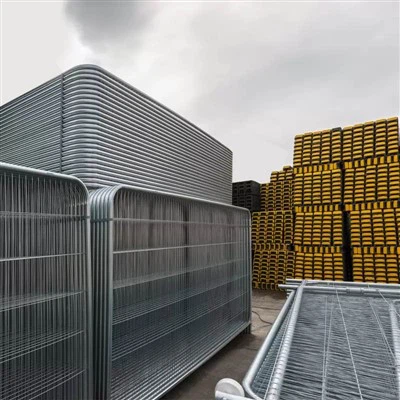
When considering using welded wire mesh in high – temperature environments, the following points should be taken into account:
- Material Selection: Choose the appropriate material based on the specific temperature range, duration of exposure, and environmental atmosphere. Stainless steel is generally a better choice for high – temperature applications, but the specific grade needs to be carefully selected.
- Design Optimization: The design of the welded wire mesh, such as the wire diameter, mesh size, and welding quality, can affect its performance in high – temperature environments. A larger wire diameter and a smaller mesh size may provide better mechanical strength, but they may also affect the gas flow or heat transfer.
- Maintenance and Inspection: Regular maintenance and inspection are necessary to ensure the long – term performance of the welded wire mesh. Check for signs of oxidation, corrosion, and deformation, and replace the mesh if necessary.
Euro Fence In conclusion, welded wire mesh can be used in high – temperature environments, but careful consideration of the material, application conditions, and design is required. As a supplier of welded wire mesh, I have the expertise and experience to help you select the most suitable product for your high – temperature needs. If you are interested in purchasing welded wire mesh for high – temperature applications, please feel free to contact me for further discussion and negotiation.
References
- ASM Handbook Volume 13: Corrosion, ASM International
- Metals Handbook: Properties and Selection: Irons, Steels, and High – Performance Alloys, ASM International
- Welding Metallurgy and Weldability of Stainless Steels, John C. Lippold and David J. Kotecki
Hebei Tengshan Wire Mesh Co., Ltd.
As one of the most experienced welded wire mesh manufacturers and suppliers in China, we offer a wide range of products with superior quality. Please feel free to buy durable welded wire mesh at competitive price from our factory. Welcome to view our website for more information.
Address: 300 Meters South of Beihoutuan Village, Anping County, Hengshui City, Hebei Province
E-mail: bellawiremesh123@gmail.com
WebSite: https://www.tengshanmetal.com/
