Heavy metal pollution has become a pressing global environmental concern, with excessive heavy metal accumulation in the human body posing a significant threat to health. Lead, mercury, cadmium, and arsenic are among the most common heavy metals that can cause a variety of health problems, including damage to the nervous system, liver, kidneys, and other organs. In the search for effective methods to remove heavy metals from the body, zinc sulfate has emerged as a potential solution. As a zinc sulfate supplier, I am excited to explore the scientific basis behind this application and share the relevant knowledge with you. Zinc Sulfate

Understanding Heavy Metal Toxicity
Before delving into how zinc sulfate might help remove heavy metals, it is crucial to understand the nature of heavy metal toxicity. Heavy metals enter the body through various routes, such as contaminated air, water, food, and industrial exposure. Once inside, they can bind to essential biomolecules like proteins and enzymes, disrupting their normal functions.
For example, lead can interfere with the synthesis of hemoglobin, the oxygen – carrying protein in red blood cells, leading to anemia. Mercury can damage the central nervous system, causing symptoms like tremors, memory loss, and cognitive impairment. The long – term accumulation of these heavy metals can have severe and sometimes irreversible effects on human health.
The Role of Zinc in the Body
Zinc is an essential trace element that plays a vital role in numerous physiological processes. It is involved in over 300 enzymatic reactions in the body, including those related to DNA synthesis, immune function, and cell division. Zinc also helps maintain the integrity of cell membranes and is important for the proper functioning of the immune system.
One of the key mechanisms by which zinc can potentially help with heavy metal detoxification is through competitive binding. Heavy metals often share binding sites with essential minerals in the body. Zinc can compete with heavy metals for these binding sites, reducing the amount of heavy metals that can bind to critical biomolecules.
Zinc Sulfate and Heavy Metal Chelation
Chelation therapy is a medical procedure used to remove heavy metals from the body. Chelating agents are substances that can bind to heavy metals, forming stable complexes that can then be excreted through urine or feces. While zinc sulfate is not a traditional chelating agent like EDTA (ethylenediaminetetraacetic acid), it can still play a role in reducing heavy metal toxicity.
Zinc sulfate provides a source of zinc ions in the body. These zinc ions can displace heavy metal ions from binding sites on proteins and other molecules. For instance, zinc can compete with lead for binding sites on metallothionein, a protein that binds to heavy metals. By binding to metallothionein in place of lead, zinc reduces the amount of free lead in the body, which can then be more easily metabolized and excreted.
Scientific Evidence Supporting the Use of Zinc Sulfate
Several scientific studies have investigated the potential of zinc sulfate in reducing heavy metal toxicity. In animal studies, supplementation with zinc sulfate has been shown to reduce the accumulation of lead in various organs. For example, a study on rats exposed to lead found that zinc supplementation decreased lead levels in the liver and kidneys.
In human studies, zinc has also been used as an adjunct therapy in the treatment of lead poisoning. In some cases, zinc supplementation has been shown to improve the symptoms associated with lead exposure, such as abdominal pain and cognitive deficits. However, it is important to note that while these studies show promise, more extensive research is needed to fully understand the effectiveness and safety of using zinc sulfate for heavy metal removal in humans.
Safety Considerations
While zinc is an essential nutrient, excessive intake can also have adverse effects. High doses of zinc sulfate can cause nausea, vomiting, diarrhea, and abdominal cramps. Long – term excessive zinc intake can also interfere with the absorption of other essential minerals, such as copper. Therefore, it is crucial to use zinc sulfate under the guidance of a healthcare professional.
The recommended daily intake of zinc for adults varies depending on age and gender, but generally ranges from 8 – 11 mg per day. When using zinc sulfate for potential heavy metal removal, the dosage should be carefully monitored to ensure it is within a safe range.
Our Zinc Sulfate Products
As a zinc sulfate supplier, we are committed to providing high – quality zinc sulfate products. Our zinc sulfate is produced using advanced manufacturing processes, ensuring its purity and stability. We offer different grades of zinc sulfate to meet the diverse needs of our customers, whether it is for agricultural use, industrial applications, or potential health – related uses.
Our products are subject to strict quality control measures to guarantee that they meet or exceed industry standards. We understand the importance of providing reliable and safe products, especially when considering potential health applications such as heavy metal removal.
How to Incorporate Zinc Sulfate
If you are considering using zinc sulfate for potential heavy metal removal, it is important to consult with a healthcare provider first. They can assess your heavy metal exposure levels through appropriate tests and determine if zinc sulfate supplementation is appropriate for you.
In addition to potential health uses, zinc sulfate also has other applications. In agriculture, it is used as a fertilizer to correct zinc deficiencies in plants, which can improve crop yields and quality. In industry, it is used in various processes, such as the production of rayon and as a mordant in dyeing.
Conclusion and Call to Action
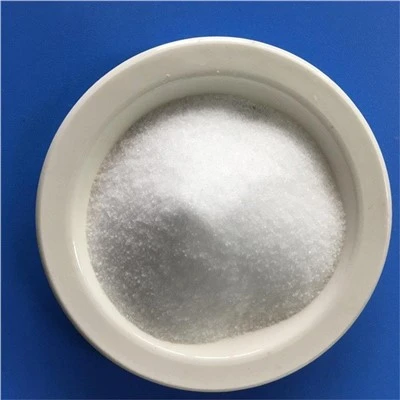
In conclusion, while the evidence regarding the ability of zinc sulfate to remove heavy metals from the body is still being explored, there is scientific basis to suggest that it may play a role in reducing heavy metal toxicity through competitive binding. As a zinc sulfate supplier, we are dedicated to providing high – quality products that can potentially contribute to various applications, including those related to health and well – being.
Zinc Citrate If you are interested in learning more about our zinc sulfate products or would like to discuss potential applications, we encourage you to reach out to us for procurement and further discussions. Our team of experts is ready to assist you with any questions you may have and provide you with the best solutions for your needs.
References
- WHO, "Guidelines for Drinking – Water Quality", World Health Organization, 4th Edition.
- ATSDR, "Toxicological Profile for Lead", Agency for Toxic Substances and Disease Registry, U.S. Department of Health and Human Services.
- Various scientific research papers on the effects of zinc supplementation on heavy metal toxicity in peer – reviewed journals such as "Environmental Health Perspectives" and "Toxicology and Applied Pharmacology".
Jiangsu Kolod Food Ingredients Co., Ltd.
As one of the most professional zinc sulfate manufacturers and suppliers in China, we’re featured by quality products and good price. Please rest assured to wholesale bulk zinc sulfate made in China here and get free sample from our factory. Customized orders are welcome.
Address: South Side of Weier Road, Guanyun Development Zone, Lianyungang City, Jiangsu Province, China
E-mail: sales1399@jskolod.com
WebSite: https://www.kolod-group.com/
