Hey there! As a PPR fittings supplier, I’ve seen firsthand how crucial it is to connect PPR fittings properly. Whether you’re a DIY enthusiast or a professional plumber, getting this right can save you a lot of headaches down the road. In this blog, I’ll share some tips and tricks on how to connect PPR fittings the right way. PPR Fittings
Understanding PPR Fittings
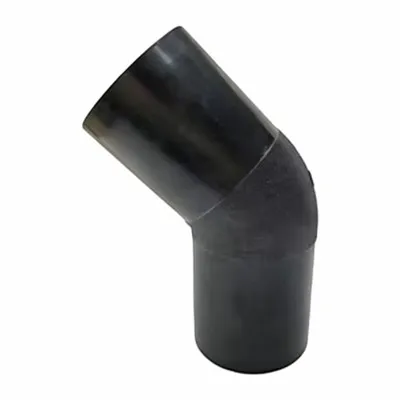
First off, let’s talk a bit about PPR fittings. PPR stands for Polypropylene Random Copolymer, and it’s a type of plastic that’s widely used in plumbing systems. PPR fittings are known for their durability, corrosion resistance, and easy installation. They come in various shapes and sizes, including elbows, tees, couplings, and valves, to suit different plumbing needs.
Tools You’ll Need
Before you start connecting PPR fittings, you’ll need to gather some tools. Here’s a list of the essentials:
- PPR Pipe Cutter: A sharp pipe cutter is essential for cleanly cutting PPR pipes to the right length. Make sure the cutter is designed specifically for PPR pipes to avoid damaging them.
- PPR Pipe Welding Machine: This is used to fuse the PPR fittings and pipes together. The welding machine heats up the pipes and fittings, allowing them to melt and bond when joined.
- Measuring Tape: You’ll need a measuring tape to ensure accurate cuts and proper alignment of the fittings and pipes.
- Marker: Use a marker to mark the pipes at the desired cutting points and to indicate the depth of insertion for the fittings.
- Cleaning Cloth: A clean cloth is necessary to wipe the pipes and fittings before welding to remove any dirt, dust, or moisture that could affect the bonding process.
Preparing the Pipes and Fittings
Once you have all the necessary tools, it’s time to prepare the pipes and fittings for connection. Here’s how:
- Cut the Pipes: Use the PPR pipe cutter to cut the pipes to the desired length. Make sure the cuts are clean and perpendicular to the pipe axis. After cutting, use a deburring tool or sandpaper to remove any rough edges or burrs from the cut ends.
- Mark the Insertion Depth: Refer to the manufacturer’s instructions or the markings on the fittings to determine the correct insertion depth. Use a marker to mark the pipes at the appropriate depth to ensure proper insertion.
- Clean the Pipes and Fittings: Use a clean cloth to wipe the pipes and fittings, removing any dirt, dust, or moisture. This step is crucial to ensure a strong and leak-free bond.
Connecting the Pipes and Fittings
Now comes the main part – connecting the pipes and fittings. Here’s a step-by-step guide on how to do it:
- Heat the Pipes and Fittings: Plug in the PPR pipe welding machine and allow it to heat up to the recommended temperature. Once the machine is heated, insert the pipe into one end of the welding tool and the fitting onto the other end. Hold them in place for the specified time, usually a few seconds, to allow them to reach the melting point.
- Join the Pipes and Fittings: After the pipes and fittings have reached the melting point, quickly remove them from the welding tool and insert the pipe into the fitting. Make sure the pipe is inserted up to the marked depth and hold it in place for a few seconds to allow the bond to set. Do not rotate or move the pipe during this time, as it can disrupt the bonding process.
- Align the Pipes and Fittings: While the bond is setting, make sure the pipes and fittings are properly aligned. Use a level or a straight edge to check the alignment and adjust as needed.
- Repeat the Process: Repeat the above steps for each connection, making sure to allow sufficient time for the bonds to cool and set before moving on to the next one.
Tips and Tricks
Here are some additional tips and tricks to help you connect PPR fittings properly:
- Use the Right Size Fittings: Make sure the fittings you use are the correct size for the pipes. Using the wrong size can result in a loose or leaky connection.
- Follow the Manufacturer’s Instructions: Always follow the manufacturer’s instructions when using the PPR pipe welding machine and other tools. This will ensure that you get the best results and avoid any damage to the pipes or fittings.
- Work in a Well-Ventilated Area: PPR welding involves heating the pipes and fittings, which can produce fumes. Make sure you work in a well-ventilated area to avoid inhaling these fumes.
- Allow Sufficient Cooling Time: After joining the pipes and fittings, allow sufficient time for the bonds to cool and set before applying any pressure or testing the system. Rushing the process can result in a weak or leaky connection.
- Test the System: Once you have completed all the connections, test the system for leaks. Turn on the water supply and check for any signs of leakage at the joints. If you find any leaks, turn off the water supply immediately and repair the connection.
Conclusion
Connecting PPR fittings properly is essential for a reliable and leak-free plumbing system. By following the tips and tricks outlined in this blog, you can ensure that your PPR fittings are connected correctly and that your plumbing system functions smoothly.
If you’re in the market for high-quality PPR fittings, look no further. As a trusted PPR fittings supplier, we offer a wide range of products to meet your plumbing needs. Whether you’re working on a small DIY project or a large commercial installation, we’ve got you covered.
Electrofusion Fittings So, if you’re interested in discussing your PPR fittings requirements or want to learn more about our products, don’t hesitate to reach out. We’re here to help you find the right solutions and provide excellent customer service.
References
- "PPR Pipe and Fittings Installation Guide," Industry publication on plumbing materials installation.
- "Understanding PPR Polymer Properties," Technical report on PPR material characteristics.
Qingdao Polyfusion Machinery Co., Ltd.
As one of the most professional PPR fittings manufacturers and suppliers in China, we have world-leading production equipment and strong manufacturing capabilities. Please feel free to buy bulk high quality PPR fittings from our factory.
Address: Chengyang Industry Zone, Chengyang, Qingdao, Shandong, China
E-mail: export01@qdpolyfusion.com
WebSite: https://www.polyfusionfittings.com/
