Are Modal Hijabs Eco – friendly?
As a supplier of Modal hijabs, I’ve often been asked about the environmental friendliness of the products I offer. In this blog, I’ll delve into the topic, exploring the characteristics of Modal fabric and how it impacts the environment. Modal Hijab
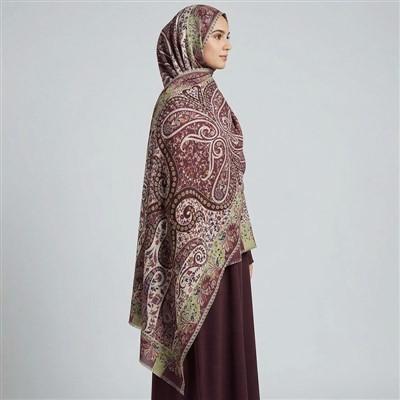
First and foremost, let’s understand what Modal is. Modal is a semi – synthetic fiber made from beech tree pulp. The production process involves extracting cellulose from beech trees, which are abundant and fast – growing. This is a significant point in favor of its eco – friendliness. Unlike some other synthetic fibers that rely on non – renewable fossil fuels, beech trees are a renewable resource. The fact that they grow relatively quickly means that the supply can be maintained without causing long – term damage to the environment.
One of the key environmental benefits of Modal is its biodegradability. When a Modal hijab reaches the end of its life cycle, whether it’s due to wear and tear or changing fashion preferences, it can break down naturally in the environment. This is in stark contrast to many synthetic fibers like polyester, nylon, and acrylic, which can take hundreds of years to decompose. In a landfill, Modal hijabs will gradually return to the earth, reducing the amount of long – lasting waste.
In addition to being biodegradable, the production of Modal is generally considered to be more water – efficient compared to natural fibers like cotton. Cotton cultivation is notorious for requiring large amounts of water. In some regions, the growing demand for cotton has led to water shortages and other environmental problems. On the other hand, the production process of Modal uses less water. While it still requires water for processing the beech pulp into fiber, the overall water consumption is lower, which is a positive aspect for water conservation.
Another aspect to consider is the energy consumption during production. The manufacturing process of Modal has been continuously improved over the years. Newer technologies have made it possible to produce Modal with less energy. This reduction in energy consumption not only saves resources but also helps to lower greenhouse gas emissions. Fewer emissions mean a smaller carbon footprint, which is crucial in the fight against climate change.
However, it’s important to acknowledge that the eco – friendliness of Modal hijabs is not without its challenges. The production of Modal does involve the use of chemicals. These chemicals are used to dissolve the cellulose from the beech wood and form it into fibers. If these chemicals are not properly managed and disposed of, they can cause environmental pollution. For example, some of the solvents used in the production process can be harmful to water sources and aquatic life if released into the environment without proper treatment.
To address this issue, many Modal manufacturers are now adopting more sustainable production practices. They are investing in advanced wastewater treatment systems to ensure that the chemicals are removed from the water before it is released back into the environment. Some are also exploring alternative, less – harmful chemicals to use in the production process. As a supplier, I’m committed to working with manufacturers who prioritize environmental responsibility and use these more sustainable production methods.
Let’s also talk about the durability of Modal hijabs. A product’s environmental impact is also related to how long it lasts. Modal is known for its strength and durability. Modal hijabs can withstand repeated wear and washing without losing their shape or color. This means that they don’t need to be replaced as frequently as some other types of hijabs. When consumers can use a hijab for a longer period, less waste is generated. It also reduces the overall demand for new products, which in turn reduces the environmental impact associated with the production and transportation of these items.
Moreover, Modal has excellent moisture – wicking properties. This makes the hijabs comfortable to wear, especially in hot and humid climates. When people are comfortable in their hijabs, they are more likely to keep using them. The long – term use of a single hijab due to its comfort factor further contributes to its environmental friendliness.
Modal hijabs are also often very soft and gentle on the skin. This is not only a benefit for the wearer but also has an environmental aspect. Because they are gentle, they are less likely to cause skin irritation, meaning that the wearer doesn’t need to use additional skincare products to soothe their skin. This reduction in the use of skincare products can also have a positive impact on the environment, as the production and packaging of these products also consume resources.
When it comes to the overall environmental impact of Modal hijabs, we also need to consider the transportation and packaging. As a supplier, I’m aware of the importance of minimizing the carbon emissions associated with transporting the hijabs to customers. I partner with logistics companies that are committed to reducing their environmental footprint. This may involve using more fuel – efficient vehicles or optimizing delivery routes.
In terms of packaging, I’m moving towards more sustainable options. Instead of using excessive plastic packaging, I’m using recyclable and biodegradable materials. Paper boxes made from recycled paper and biodegradable plastic alternatives are now being used to package the hijabs. This way, the entire life cycle of the product, from production to consumption and disposal, is more environmentally friendly.

In conclusion, Modal hijabs offer several significant eco – friendly advantages. Their renewable source, biodegradability, water – and energy – efficiency, durability, and the comfort they provide all point to a relatively low environmental impact. While there are some challenges in the production process, the industry is making great strides in addressing them through more sustainable manufacturing practices.
Hijab If you’re interested in purchasing high – quality, eco – friendly Modal hijabs, I invite you to reach out to me for a procurement discussion. We can talk about product specifications, prices, and orders to meet your needs.
References
- "The Handbook of Fiber Chemistry" by Menachem Lewin and Eli M. Pearce
- "Textile Science: An Introduction" by Mary Anne Tortora and Susan J. Merkel
- Industry reports on sustainable textile production from leading research firms.
Yiwu Wennuan Clothing Co., Ltd.
We’re well-known as one of the most experienced modal hijab manufacturers and suppliers in China. We warmly welcome you to buy customized modal hijab made in China here from our factory. If you have any enquiry about cooperation, please feel free to email us.
Address: 2nd Floor, Building B, No.17 Jinhui Road, Heyetang Industrial Zone, Futian Street, Jinhua, Zhejiang, China
E-mail: wennuan@wennuanfactory.com
WebSite: https://www.wennuanhijab.com/
