In the dental industry, autoclaves play a crucial role in sterilizing dental instruments. Their function is to eliminate harmful microorganisms that could potentially lead to cross – contamination and infections among patients. As a Dental Autoclave supplier, I’ve seen a growing trend of over – sterilization in dental practices, and it’s important to discuss the implications that this has on both the instruments and the practice itself. Dental Autoclave

Instrument Degradation
One of the most obvious effects of over – sterilization in a dental autoclave is the degradation of dental instruments. Dental instruments are made from various materials such as stainless steel, carbon steel, and titanium. Each of these materials has a specific tolerance for the intense heat, pressure, and moisture within an autoclave.
Stainless steel, a common material in dental instruments, can withstand high – temperature sterilization to a certain extent. However, repeated over – sterilization can cause the surface of the stainless steel to pit and corrode. The heat and moisture can break down the protective oxide layer on the steel, exposing it to further chemical reactions with the environment inside the autoclave. This corrosion not only affects the appearance of the instruments but also weakens their structural integrity. For example, forceps may lose their grip strength, and scalers may become blunt more quickly.
Carbon steel instruments are even more susceptible to damage from over – sterilization. Carbon steel is prone to rusting, and the high – humidity environment in an autoclave exacerbates this problem. The constant cycles of heating and cooling during over – sterilization can lead to the formation of rust and scale on the surface of carbon steel instruments. This not only makes the instruments difficult to clean but also poses a risk of introducing contaminants if the rust flakes off.
Titanium, although known for its durability, is not immune to the effects of over – sterilization. Excessive heat can cause the titanium to undergo phase changes, which can affect its mechanical properties. Over time, titanium instruments may become more brittle, increasing the risk of breakage during normal use.
Impact on Instrument Functionality
Apart from physical degradation, over – sterilization can also have a significant impact on the functionality of dental instruments. Many dental instruments rely on precise mechanisms and sharp cutting edges to perform their tasks effectively.
For example, dental handpieces are complex instruments that contain gears, bearings, and other moving parts. Over – sterilization can cause the lubricants within the handpiece to break down. The high temperatures can evaporate the lubricants, leading to increased friction between the moving parts. This can result in reduced rotational speed, increased noise, and ultimately, a shorter lifespan for the handpiece.
Endodontic files, which are used for cleaning and shaping the root canals, are another example. These files have very fine cutting edges that are essential for accurate and efficient root canal treatment. Over – sterilization can cause the cutting edges to become dull or chipped. A dull endodontic file may not be able to remove the infected tissue effectively, increasing the risk of treatment failure and complications for the patient.
Financial Implications for Dental Practices
The effects of over – sterilization translate into significant financial implications for dental practices. The degradation of dental instruments means that they need to be replaced more frequently. Dental instruments can be quite expensive, especially high – quality ones. For example, a set of endodontic files can cost several hundred dollars, and a dental handpiece can cost thousands.
In addition to the cost of replacing instruments, there is also the cost of downtime. When instruments are damaged due to over – sterilization, they need to be taken out of service for repair or replacement. This can disrupt the normal workflow of the dental practice, leading to lost patient appointments and reduced revenue.
Moreover, over – sterilization can also increase the energy consumption of the autoclave. Since the autoclave is running for longer periods or more frequently than necessary, it uses more electricity or gas. This additional energy cost can add up over time and put a strain on the dental practice’s budget.
Microbiological Considerations
While the primary purpose of using an autoclave is to sterilize dental instruments, over – sterilization can have unexpected microbiological effects. In some cases, over – sterilization can lead to the formation of biofilms on the inner surfaces of the autoclave. Biofilms are communities of microorganisms that attach to surfaces and are protected by a layer of extracellular polymeric substances.
These biofilms can be difficult to remove and can act as a source of contamination. When the autoclave is used for subsequent sterilization cycles, the microorganisms within the biofilm can be released into the autoclave chamber and contaminate the instruments. This defeats the purpose of sterilization and poses a serious risk to patient safety.
Quality of Sterilization
Over – sterilization may also give a false sense of security regarding the quality of sterilization. Dental professionals may assume that longer or more frequent sterilization cycles will result in better – sterilized instruments. However, the effectiveness of autoclave sterilization is determined by a combination of factors, including temperature, pressure, time, and the type of microorganisms present.
Once the appropriate sterilization parameters (such as 121°C at 15 psi for 15 – 20 minutes) have been met, extending the sterilization time does not necessarily increase the level of sterilization. In fact, it can have the opposite effect by causing damage to the instruments and potentially leading to microbiological issues as mentioned above.
How to Avoid Over – Sterilization
As a Dental Autoclave supplier, I understand the importance of proper sterilization and the need to avoid over – sterilization. Here are some tips that dental practices can follow:
- Follow Manufacturer’s Instructions: Each autoclave comes with a set of instructions from the manufacturer. These instructions specify the appropriate sterilization cycles for different types of instruments. Dental professionals should carefully read and follow these instructions to ensure that the instruments are sterilized effectively without over – sterilization.
- Use Biological Indicators: Biological indicators are test strips or vials that contain live microorganisms. These indicators are placed inside the autoclave along with the instruments. After the sterilization cycle, the biological indicators are incubated to see if any of the microorganisms have survived. This provides a reliable way to confirm that the sterilization process has been successful.
- Regular Maintenance of the Autoclave: Regular maintenance of the autoclave, such as cleaning the chamber, checking the seals, and calibrating the temperature and pressure gauges, is essential. A well – maintained autoclave is more likely to operate at the correct parameters, reducing the risk of over – sterilization.
Conclusion
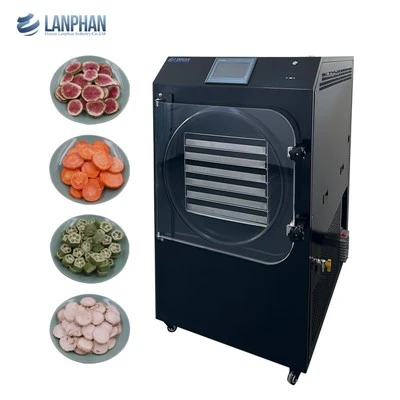
In conclusion, over – sterilization in a dental autoclave can have a range of negative effects on dental instruments, their functionality, the financial health of dental practices, and even the microbiological safety of the sterilization process. As a Dental Autoclave supplier, I encourage dental professionals to be aware of these issues and take steps to ensure proper sterilization.
Spray Dryer If you’re a part of a dental practice and are looking for a reliable autoclave that can help you achieve effective sterilization without the risk of over – sterilization, I’m here to assist. We offer a wide range of high – quality dental autoclaves that are designed to meet the specific needs of dental practices. Contact me to discuss your requirements and explore how our products can enhance the efficiency and safety of your sterilization process.
References
- Block, S. S. (2001). Disinfection, Sterilization, and Preservation. Lippincott Williams & Wilkins.
- Rutala, W. A., & Weber, D. J. (2004). Guideline for Disinfection and Sterilization in Healthcare Facilities, 2008. Centers for Disease Control and Prevention.
- Spaulding, E. H. (1968). Chemical disinfection and antisepsis in the hospital. American Journal of Hospital Pharmacy, 25(9), 337 – 342.
Henan Lanphan Technology Co., Ltd.
We’re well-known as one of the leading dental autoclave manufacturers and suppliers in China. With abundant experience, we warmly welcome you to buy high quality dental autoclave for sale here from our factory. For price consultation, contact us.
Address: Room 801, East Tower, Xiyuan Square, Zhongyuan District, Zhengzhou City, Henan Province
E-mail: lanphantech@lanphan.com
WebSite: https://www.lanphantech.com/
