As a supplier of the A17FO Axial Piston Fixed Pump, one of the most common inquiries I receive from customers is how to precisely adjust the output pressure of this high – performance pump. In this blog post, I will share comprehensive and practical insights on this crucial topic. A17FO Axial Piston Fixed Pump
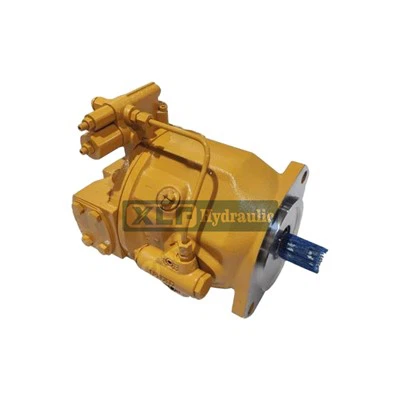
Understanding the Basics of A17FO Axial Piston Fixed Pump
Before delving into the pressure adjustment process, it’s essential to understand the fundamental working principles of the A17FO Axial Piston Fixed Pump. This type of pump operates on the principle of axial piston movement. The pistons are arranged axially within the pump cylinder block. As the drive shaft rotates, the pistons reciprocate within their bores, creating a suction and discharge action. This action is responsible for the transfer of fluid and the generation of pressure.
The output pressure of the A17FO pump is determined by several factors, including the pump’s displacement, the speed of the drive shaft, and the resistance in the hydraulic system. The pump’s displacement refers to the volume of fluid displaced by the pistons in one revolution of the drive shaft. A higher displacement typically leads to a higher potential for pressure generation, given the same drive – shaft speed and system resistance.
Importance of Precise Pressure Adjustment
Precise pressure adjustment of the A17FO Axial Piston Fixed Pump is of utmost importance for several reasons. Firstly, in industrial applications, many hydraulic systems require a specific operating pressure to function optimally. If the pressure is too low, the equipment may not be able to perform its intended tasks effectively. For example, in a hydraulic press, insufficient pressure may result in incomplete forming or stamping operations.
Secondly, excessive pressure can cause significant damage to the pump and other components in the hydraulic system. High pressure can lead to increased wear and tear on the pistons, seals, and valves. It can also cause pipes and hoses to burst, resulting in costly repairs and potential safety hazards.
Tools Required for Pressure Adjustment
To adjust the output pressure of the A17FO Axial Piston Fixed Pump precisely, you will need the following tools:
- Pressure Gauge: A high – quality pressure gauge is essential for measuring the output pressure accurately. Make sure the pressure gauge has a suitable range for the maximum operating pressure of the A17FO pump.
- Adjustment Tool: Most A17FO pumps come with a specific adjustment mechanism, which usually requires a special tool for adjustment. This can be a screwdriver, an Allen wrench, or a custom – made adjustment key.
- Safety Equipment: Safety glasses, gloves, and other appropriate safety gear should be worn during the adjustment process to protect against potential hydraulic fluid leaks and other hazards.
Step – by – Step Pressure Adjustment Process
Step 1: Preparation
- Shut Down the System: Before starting any adjustment work, ensure that the hydraulic system is completely shut down. This includes turning off the power supply to the pump and relieving any residual pressure in the system.
- Locate the Adjustment Point: Refer to the pump’s manual to find the exact location of the pressure adjustment point. In the A17FO pump, this is usually located on the pressure – regulating valve.
- Install the Pressure Gauge: Connect the pressure gauge to the pump’s pressure – measuring port. Make sure the connection is tight to prevent any fluid leaks.
Step 2: Initial Pressure Measurement
- Start the System: Once the pressure gauge is installed, start the hydraulic system. Allow the pump to run for a few minutes to reach a stable operating condition.
- Record the Initial Pressure: Read the pressure value on the gauge and record it. This will serve as a baseline for the adjustment process.
Step 3: Pressure Adjustment
- Loosen the Lock Nut: If there is a lock nut on the pressure – adjustment screw, use the appropriate tool to loosen it. This will allow you to turn the adjustment screw.
- Turn the Adjustment Screw: To increase the output pressure, turn the adjustment screw clockwise. To decrease the pressure, turn it counter – clockwise. Make small adjustments, usually no more than a quarter – turn at a time.
- Monitor the Pressure Gauge: As you turn the adjustment screw, closely monitor the pressure gauge. Wait for the pressure to stabilize after each adjustment before making further changes.
Step 4: Final Checks
- Check for Leaks: After the pressure adjustment is complete, carefully inspect all connections and seals for any signs of hydraulic fluid leaks. If leaks are detected, tighten the connections or replace the seals as necessary.
- Test the System: Run the hydraulic system through its normal operating cycle to ensure that the adjusted pressure meets the requirements of the application. Check for any abnormal noises, vibrations, or performance issues.
Step 5: Lock the Adjustment
- Tighten the Lock Nut: Once you are satisfied with the adjusted pressure, use the appropriate tool to tighten the lock nut on the adjustment screw. This will prevent the screw from coming loose during operation.
Troubleshooting During Pressure Adjustment
Pressure Not Changing
If you turn the adjustment screw but the pressure does not change, there could be several reasons. Firstly, the adjustment screw may be stuck. In this case, you can try applying a small amount of lubricant to the screw and gently tapping it with a hammer to free it up. Secondly, there may be a blockage in the pressure – regulating valve. You will need to disassemble the valve and clean it thoroughly to remove any debris.
Pressure Fluctuations
Pressure fluctuations can be caused by air in the hydraulic system. To solve this problem, you can bleed the air from the system. This usually involves opening the bleed valves at the high – points in the system and allowing the air to escape until only hydraulic fluid comes out.
Maintenance Tips for Optimal Pressure Control
To ensure that the A17FO Axial Piston Fixed Pump maintains its precise pressure control over time, regular maintenance is crucial.
- Fluid Quality: Use high – quality hydraulic fluid that meets the manufacturer’s specifications. Contaminated or degraded fluid can affect the pump’s performance and lead to pressure irregularities.
- Filter Replacement: Replace the hydraulic filters at regular intervals to prevent dirt and debris from entering the pump. A clogged filter can cause increased resistance in the system, leading to pressure changes.
- Seal Inspection: Routinely inspect the pump’s seals for signs of wear or damage. Worn seals can cause fluid leaks, which can affect the pressure output.
Conclusion

Precisely adjusting the output pressure of the A17FO Axial Piston Fixed Pump is a critical skill for anyone using this pump in a hydraulic system. By following the steps outlined in this blog post, you can ensure that your pump operates at the optimal pressure, providing reliable and efficient performance.
Hitachi Series As a supplier of the A17FO Axial Piston Fixed Pump, I am committed to providing high – quality products and comprehensive technical support. If you have any questions about the pressure adjustment process or if you are interested in purchasing our A17FO pumps, feel free to contact us for further discussion and business negotiation. We look forward to working with you to meet your hydraulic system needs.
References
- Manufacturer’s Manual of A17FO Axial Piston Fixed Pump
- Hydraulic System Design and Maintenance Handbook
- Industrial Hydraulics: Principles and Applications by Jack Parker
Wuhan Xinlaifu Hydraulic Equipment Co., Ltd.
Wuhan Xinlaifu Hydraulic Equipment Co., Ltd. is one of the most professional a17fo axial piston fixed pump manufacturers and suppliers in China, featured by high quality OEM&ODM products. Please feel free to buy customized a17fo axial piston fixed pump from our factory.
Address: Liansu Industrial Park, No.1, Xincheng 11th Road, Dongxihu District, Wuhan, Hubei, China
E-mail: service@xlf-hydraulic.com
WebSite: https://www.xlf-hydraulic.com/
