Industrial switches play a pivotal role in modern industrial networks, providing reliable connectivity for various devices and systems. However, with the increasing threat of cyberattacks, configuring robust security policies for industrial switches is of utmost importance to protect critical infrastructure, ensure data integrity, and maintain operational continuity. As an industrial switches supplier, I understand the significance of security in industrial environments and am here to share some key steps and considerations for configuring effective security policies. Industrial Switches

Understanding the Industrial Network Environment
Before diving into the configuration of security policies, it is essential to have a thorough understanding of the industrial network environment. This includes identifying the types of industrial devices connected to the network, such as programmable logic controllers (PLCs), human – machine interfaces (HMIs), and sensors. Different devices may have different security requirements and vulnerabilities.
For example, PLCs often control critical industrial processes, and any unauthorized access to them could lead to serious consequences. HMIs are used for human interaction with the industrial system, and they may be more exposed to user – related security risks. Sensors collect and transmit data, and protecting the integrity of this data is crucial for accurate decision – making.
In addition to device types, it is also necessary to understand the network topology. Industrial networks can be complex, with multiple layers and segments. Some networks may have a hierarchical structure, while others may be more distributed. Knowing the network topology helps in determining where to place security controls and how to segment the network for better security.
Physical Security Measures
Physical security is the first line of defense for industrial switches. Ensure that the switches are installed in secure locations, such as locked cabinets or server rooms. Restrict access to these areas to authorized personnel only. This helps prevent unauthorized physical access to the switches, which could be used to tamper with the configuration or install malicious devices.
In addition, use proper cable management to avoid cable damage and unauthorized access through cables. Label all the cables clearly to identify their connections and functions. Regularly inspect the physical condition of the switches and cables to detect any signs of damage or tampering.
Authentication and Authorization
Authentication is the process of verifying the identity of users or devices trying to access the industrial switch. Implement strong authentication mechanisms, such as username and password combinations. Use complex passwords that are difficult to guess, with a combination of uppercase and lowercase letters, numbers, and special characters.
For enhanced security, consider implementing multi – factor authentication (MFA). MFA requires users to provide two or more forms of identification, such as a password and a one – time code sent to a mobile device. This significantly reduces the risk of unauthorized access, even if a password is compromised.
Authorization, on the other hand, determines what actions an authenticated user or device is allowed to perform. Define different user roles and permissions based on the principle of least privilege. For example, network administrators may have full access to configure the switch, while regular operators may only have read – only access to view network status information.
Access Control Lists (ACLs)
Access control lists are a fundamental security feature in industrial switches. ACLs allow you to define rules that determine which traffic is allowed or denied based on various criteria, such as source and destination IP addresses, port numbers, and protocols.
Create ingress and egress ACLs to control traffic flow into and out of the switch. For example, you can create an ingress ACL to block all incoming traffic from untrusted IP addresses. Egress ACLs can be used to restrict the types of traffic that can leave the network, such as blocking outbound traffic to known malicious IP addresses.
Regularly review and update ACLs to adapt to changes in the industrial network, such as new devices being added or new security threats emerging.
VLAN Segmentation
VLAN (Virtual Local Area Network) segmentation is an effective way to enhance the security of industrial networks. By dividing the physical network into multiple virtual networks, you can isolate different types of traffic and devices, reducing the attack surface.
For example, you can create separate VLANs for different departments or functions within the industrial facility. The production VLAN can be isolated from the administrative VLAN, preventing unauthorized access from administrative users to the production network.
Configure VLANs carefully, ensuring that only necessary communication is allowed between VLANs. Use inter – VLAN routing with proper security controls to manage the traffic flow between different VLANs.
Port Security
Port security is another important aspect of industrial switch security. Configure port security on each switch port to limit the number of MAC addresses that can be connected to the port. This helps prevent unauthorized devices from connecting to the network through open switch ports.
You can also set the switch ports to shut down if a security violation occurs, such as a MAC address violation. This provides an additional layer of protection against unauthorized access and network intrusion.
Encryption
Encryption is crucial for protecting data transmitted over the industrial network. Enable encryption protocols, such as Secure Shell (SSH) for remote management of the switch and Secure Sockets Layer (SSL)/Transport Layer Security (TLS) for data communication between devices.
SSH encrypts the communication channel between the administrator’s device and the industrial switch, preventing eavesdropping and man – in – the – middle attacks during the configuration process. SSL/TLS encrypts the data transmitted between devices, ensuring the confidentiality and integrity of the data.
Intrusion Detection and Prevention Systems (IDPS)
Implement an Intrusion Detection and Prevention System (IDPS) on the industrial network to monitor network traffic for suspicious activities. An IDPS can detect and respond to various types of attacks, such as denial – of – service (DoS) attacks, port scanning, and malware infections.
There are two types of IDPS: network – based IDPS (NIDPS) and host – based IDPS (HIDPS). NIDPS monitors network traffic at the network level, while HIDPS monitors the activities on individual devices. Consider using a combination of both types of IDPS for comprehensive security.
Regular Security Audits and Updates
Regular security audits are essential to ensure that the security policies of industrial switches are effective and up – to – date. Conduct penetration testing to identify potential vulnerabilities in the network and the switches. Penetration testing involves simulating real – world attacks to discover security weaknesses before they can be exploited by malicious actors.
In addition, keep the industrial switches’ firmware up – to – date. Switch manufacturers regularly release firmware updates to address security vulnerabilities and improve performance. Install these updates in a timely manner to protect the switches from the latest security threats.
Conclusion
Configuring the security policies of industrial switches is a complex but necessary task to protect industrial networks from cyber threats. By implementing physical security measures, authentication, authorization, ACLs, VLAN segmentation, port security, encryption, IDPS, and regular security audits and updates, you can significantly enhance the security of your industrial switches and the entire industrial network.
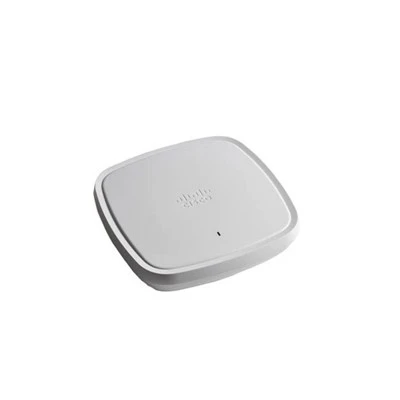
Wireless Controler As an industrial switches supplier, we are committed to providing high – quality switches with advanced security features. Our team of experts can also assist you in configuring the security policies of the switches to meet your specific industrial needs. If you are interested in purchasing industrial switches or need more information on switch security, please feel free to contact us for further discussions. We look forward to partnering with you to build a secure and reliable industrial network.
References
- Beck, A., & John, R. Industrial Network Security: Securing Critical Infrastructure Networks for Smart Grid, SCADA, and Other Industrial Control Systems.
- Stallings, W. Network Security Essentials: Applications and Standards.
- Cisco. Industrial Ethernet Switching Solutions.
AITI Tech Limited
AITI Tech Limited is one of the most professional industrial swtiches manufacturers and suppliers in China for over 20 years, featured by quality products and low price. Welcome to buy bulk discount industrial swtiches in stock here from our factory. If you have any enquiry about pricelist, please feel free to email us.
Address: 6F, Haogong Building, Yannan Road, Futian District, Shenzhen, China
E-mail: kelly@hkaiti.com
WebSite: https://www.hkaiti.com/
