Power transmission towers are an essential part of the electrical infrastructure, facilitating the efficient transfer of electricity over long distances. As a supplier of power transmission towers, I have witnessed firsthand the significance of these structures in powering communities and industries. However, a question that often arises is: What is the impact of power transmission towers on air traffic? In this blog, I will delve into this topic, exploring the various aspects of how these towers interact with air traffic and the measures taken to ensure safety. Power Transmission Towers
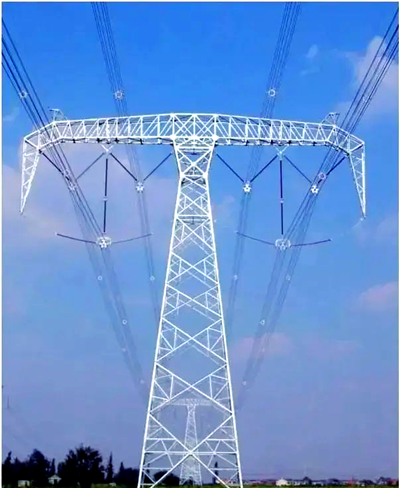
Physical Obstacles and Navigation Challenges
One of the most obvious impacts of power transmission towers on air traffic is their physical presence as obstacles. These towers can reach significant heights, sometimes exceeding 100 meters, and are often located in open areas, including rural landscapes and near airports. For low – flying aircraft, such as helicopters and small planes, these towers pose a real risk of collision.
In aviation, navigation is a crucial aspect. Pilots rely on visual and electronic aids to navigate through the airspace. Power transmission towers can interfere with the line – of – sight of pilots, especially during adverse weather conditions such as fog or heavy rain. They can also disrupt electronic navigation systems. For example, the metal structures of the towers can cause electromagnetic interference, which may affect the accuracy of radar and other navigation equipment on board the aircraft.
To mitigate these risks, aviation authorities and power companies work together to ensure that power transmission towers are properly marked. Most towers are painted with high – visibility colors, such as orange and white, and are equipped with warning lights. These lights are usually red and flash at regular intervals, making the towers more visible to pilots, especially during low – light conditions. Additionally, power companies are required to submit detailed information about the location and height of their towers to aviation authorities, who then include this data in aeronautical charts. This allows pilots to be aware of the presence of these towers well in advance and plan their flight paths accordingly.
Impact on Flight Routes and Airspace Management
Power transmission towers can also influence flight routes and airspace management. In areas with a high density of power transmission towers, flight paths may need to be adjusted to avoid these structures. This can have implications for the efficiency of air traffic. For example, if a flight route has to be deviated to avoid a cluster of towers, it may result in longer flight times and increased fuel consumption.
Airspace management is a complex task that involves coordinating the movement of multiple aircraft in a given area. The presence of power transmission towers adds an additional layer of complexity. Air traffic controllers need to take into account the location of these towers when assigning flight paths to aircraft. They must ensure that there is sufficient separation between aircraft and the towers to prevent any potential collisions.
In some cases, power companies may need to modify the design or location of their transmission towers to accommodate air traffic requirements. For example, if a new airport is being built or an existing flight route is being changed, the power company may need to relocate or lower the height of the towers to minimize their impact on air traffic.
Environmental and Wildlife Considerations
The construction and presence of power transmission towers can also have an impact on the environment and wildlife, which in turn can affect air traffic. For example, some bird species may be attracted to the towers for nesting or perching. Birds flying in the vicinity of the towers can pose a hazard to aircraft, as bird strikes can cause significant damage to the aircraft and endanger the lives of passengers and crew.
To address this issue, power companies often implement measures to deter birds from nesting on the towers. This can include the installation of bird – deterrent devices, such as spikes or netting. Additionally, environmental impact assessments are conducted before the construction of new power transmission towers to identify any potential wildlife habitats that may be affected. If necessary, mitigation measures are put in place to protect the wildlife and minimize the risk of bird strikes.
Technological Advancements and Future Outlook
As technology continues to evolve, there are ongoing efforts to reduce the impact of power transmission towers on air traffic. For example, new materials and designs are being developed to make the towers more environmentally friendly and less obstructive to air traffic. Some towers are now being designed with a more streamlined shape, which reduces their visual and physical impact.
In addition, advancements in aviation technology, such as the development of more sophisticated navigation systems and collision avoidance technologies, are helping to improve the safety of air traffic in the presence of power transmission towers. These technologies can provide pilots with more accurate information about the location of towers and help them avoid potential collisions.
The Role of a Power Transmission Tower Supplier
As a supplier of power transmission towers, we play a crucial role in ensuring that our products are designed and installed in a way that minimizes their impact on air traffic. We work closely with power companies, aviation authorities, and other stakeholders to ensure that our towers meet all relevant safety and regulatory requirements.
We invest in research and development to improve the design of our towers, making them more visible, less obstructive, and more environmentally friendly. We also provide training and support to our customers on the proper installation and maintenance of the towers to ensure their long – term safety and performance.
Conclusion and Call to Action
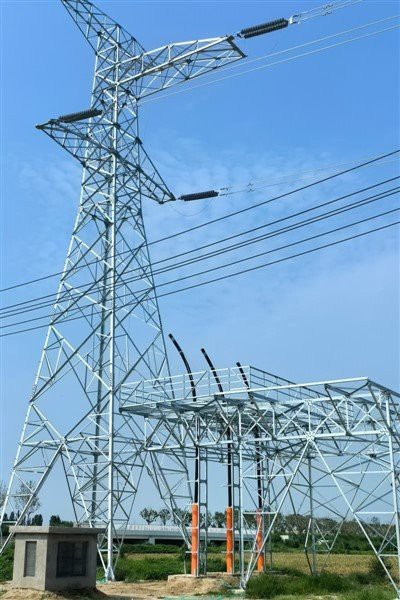
In conclusion, power transmission towers have a significant impact on air traffic, both in terms of physical obstacles and their influence on flight routes and airspace management. However, through collaboration between power companies, aviation authorities, and other stakeholders, and with the use of advanced technologies, the risks associated with these towers can be effectively managed.
Monitoring Tower If you are in the market for high – quality power transmission towers that are designed with air traffic safety in mind, we would love to hear from you. Our team of experts can provide you with the best solutions for your power transmission needs. Whether you are a power company, a developer, or an engineer, we have the expertise and experience to deliver reliable and safe power transmission towers. Contact us today to start a conversation about your project.
References
- Federal Aviation Administration (FAA). (2023). Aeronautical Information Manual.
- International Civil Aviation Organization (ICAO). (2022). Manual on Aerodrome Design and Operations.
- Power Engineering Society. (2021). Guidelines for the Design and Installation of Power Transmission Towers.
Hebei Yifeng Steel Structure Co., Ltd.
As one of the most professional power transmission towers manufacturers and suppliers in China, we offer a wide range of products with superior quality. Please feel free to buy cost-efficient power transmission towers for sale here from our factory. Contact us for more details.
Address: Guangchuan Town Industrial Zone, Jing County, Hengshui City, Hebei Province
E-mail: hbyfgjg@163.com
WebSite: https://www.yf-powertowers.com/
