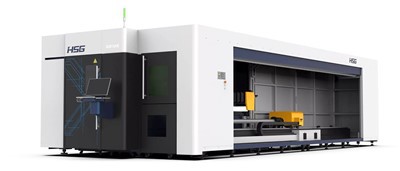
When it comes to mold making, selecting the right horizontal machining center is crucial for achieving high precision, efficiency, and quality in the manufacturing process. As a supplier of horizontal machining centers, I understand the challenges and considerations that mold makers face when choosing the appropriate equipment. In this blog post, I will share some insights and guidelines on how to select the right horizontal machining center for mold making. Horizontal Machining Centers
Understanding the Requirements of Mold Making
Mold making is a highly specialized process that requires a high level of precision and accuracy. The molds used in various industries, such as automotive, aerospace, and consumer goods, need to be manufactured with tight tolerances and complex geometries. Therefore, the horizontal machining center used for mold making should be capable of handling these requirements.
One of the key requirements in mold making is the ability to perform high-speed machining. High-speed machining allows for faster material removal rates, which can significantly reduce the machining time and increase productivity. Additionally, it can also improve the surface finish of the mold, resulting in better quality products.
Another important requirement is the ability to perform multi-axis machining. Multi-axis machining enables the machining of complex geometries and contours, which are common in mold making. By using a horizontal machining center with multiple axes, mold makers can achieve greater flexibility and precision in their machining operations.
Key Considerations in Selecting a Horizontal Machining Center
When selecting a horizontal machining center for mold making, there are several key considerations that need to be taken into account. These considerations include:
1. Machine Size and Capacity
The size and capacity of the horizontal machining center are important factors to consider. The machine should be able to accommodate the size of the molds that you plan to manufacture. Additionally, it should have sufficient spindle power and torque to handle the cutting forces required for machining hard materials.
2. Spindle Speed and Power
The spindle speed and power of the horizontal machining center are crucial for high-speed machining. A high-speed spindle can enable faster cutting speeds, which can improve productivity and surface finish. The power of the spindle should also be sufficient to handle the cutting forces generated during machining.
3. Accuracy and Repeatability
Accuracy and repeatability are essential in mold making. The horizontal machining center should be able to maintain high levels of accuracy and repeatability throughout the machining process. This can be achieved through the use of high-quality components, such as ball screws and linear guides, as well as advanced control systems.
4. Tooling and Automation
The availability of suitable tooling and automation options is another important consideration. The horizontal machining center should be compatible with a wide range of cutting tools, including end mills, drills, and reamers. Additionally, it should have the capability to integrate with automated tool changers and pallet systems, which can further improve productivity and efficiency.
5. Software and Control System
The software and control system of the horizontal machining center play a crucial role in its performance. The control system should be user-friendly and intuitive, allowing operators to easily program and operate the machine. It should also have advanced features, such as tool path optimization and simulation, which can help to reduce machining time and improve quality.
6. After-Sales Support and Service
After-sales support and service are important factors to consider when selecting a horizontal machining center. The supplier should provide comprehensive training and technical support to ensure that operators can effectively use and maintain the machine. Additionally, they should have a reliable service network to provide prompt assistance in case of any issues or breakdowns.
Evaluating Different Horizontal Machining Centers
Once you have identified the key considerations, the next step is to evaluate different horizontal machining centers based on these criteria. Here are some steps that you can take to evaluate the machines:
1. Research and Compare
Conduct thorough research on different horizontal machining centers available in the market. Compare their specifications, features, and prices to identify the ones that best meet your requirements. You can also read reviews and testimonials from other mold makers to get an idea of the performance and reliability of the machines.
2. Visit Trade Shows and Demonstrations
Attend trade shows and demonstrations to see the horizontal machining centers in action. This will give you an opportunity to observe the machines’ performance, accuracy, and ease of use. You can also interact with the suppliers and ask questions about the machines.
3. Request Quotes and Proposals
Contact the suppliers of the horizontal machining centers that you are interested in and request quotes and proposals. The quotes should include the price of the machine, as well as any additional costs, such as installation, training, and maintenance. Compare the quotes and proposals to determine the most cost-effective option.
4. Conduct On-Site Trials
If possible, conduct on-site trials of the horizontal machining centers. This will allow you to test the machines with your own molds and materials and evaluate their performance in a real-world environment. You can also assess the ease of use and operator training requirements during the trials.
Making the Final Decision
After evaluating different horizontal machining centers, it is time to make the final decision. Consider all the factors that you have evaluated, including the machine’s size, capacity, spindle speed, accuracy, tooling, software, and after-sales support. Choose the machine that best meets your requirements and budget.
Once you have made the decision, contact the supplier to discuss the purchase details, such as delivery time, payment terms, and installation. Make sure to clarify any questions or concerns that you may have before signing the purchase agreement.
Conclusion
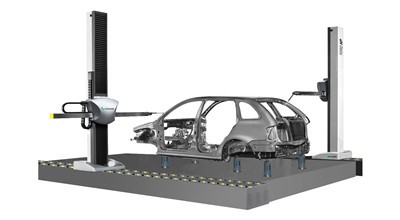
Selecting the right horizontal machining center for mold making is a critical decision that can have a significant impact on the quality and efficiency of your manufacturing process. By understanding the requirements of mold making, considering the key factors in selecting a machine, evaluating different options, and making an informed decision, you can choose a horizontal machining center that will meet your needs and help you achieve your manufacturing goals.
5-axis Machining Centers If you are interested in learning more about our horizontal machining centers or have any questions about selecting the right machine for your mold making needs, please feel free to contact us. Our team of experts will be happy to assist you with your selection and provide you with the information and support that you need.
References
- Smith, J. (2020). "Advanced Machining Technologies for Mold Making." Manufacturing Technology Journal, Vol. 15, No. 2, pp. 35-42.
- Johnson, A. (2019). "Choosing the Right Machining Center for Precision Mold Making." Precision Engineering Magazine, Vol. 22, No. 3, pp. 56-63.
- Brown, C. (2018). "The Role of Horizontal Machining Centers in Mold Manufacturing." International Journal of Machine Tools and Manufacture, Vol. 125, pp. 102-110.
Hermens Industrial Co., Ltd.
As one of the most professional horizontal machining centers enterprises in China, we’re featured by quality products and low price. Please rest assured to buy cheap horizontal machining centers in stock here and get quotation from our factory. We also accept customized orders.
Address: 9/59 Moo 14, Rachathewa , Bang Phli , Samut Prakan Province 10540
E-mail: liu_jincheng@hzhemen.com
WebSite: https://www.hermensindustrial.com/
