Calcium carbonate, a widely available and versatile compound, has long been a cornerstone in the pharmaceutical industry. As a supplier deeply involved in the production and distribution of high – quality calcium carbonate, I have witnessed its diverse applications and the significant role it plays in enhancing human health. In this blog, I will delve into the various uses of calcium carbonate in the pharmaceutical field. Calcium Carbonate

1. Calcium Supplement
One of the most well – known applications of calcium carbonate in the pharmaceutical industry is as a calcium supplement. Calcium is an essential mineral for the human body, playing a crucial role in maintaining strong bones and teeth, muscle function, nerve transmission, and blood clotting. As people age, the body’s ability to absorb and retain calcium decreases, leading to a higher risk of osteoporosis and fractures. Calcium carbonate is an ideal choice for calcium supplementation due to its high calcium content, which can reach up to 40%.
Calcium carbonate supplements are available in various forms, including tablets, capsules, and chewable tablets. These supplements are often fortified with vitamin D, which helps the body absorb calcium more effectively. For patients with calcium deficiency or those at risk of osteoporosis, calcium carbonate supplements can help increase calcium levels in the body, reducing the risk of bone loss and fractures.
In addition to its role in bone health, calcium carbonate also plays a role in other physiological functions. For example, it can help regulate blood pressure by promoting proper muscle contraction and relaxation in blood vessels. It also participates in the release of neurotransmitters, which are essential for normal nerve function.
2. Antacid
Another important use of calcium carbonate in the pharmaceutical industry is as an antacid. Acid reflux and heartburn are common digestive problems caused by the backflow of stomach acid into the esophagus. This can lead to a burning sensation in the chest and throat, as well as other symptoms such as nausea and vomiting.
Calcium carbonate is an effective antacid because it can neutralize stomach acid. When calcium carbonate reacts with hydrochloric acid in the stomach, it forms calcium chloride, water, and carbon dioxide. The reaction can be represented by the following chemical equation:
CaCO₃ + 2HCl → CaCl₂+ H₂O + CO₂↑
This reaction helps to reduce the acidity in the stomach, providing relief from the symptoms of acid reflux and heartburn. Calcium carbonate antacids are available in various forms, including tablets, chewable tablets, and liquid suspensions. They are usually taken orally after meals or at the onset of symptoms.
Compared with other antacids, calcium carbonate has several advantages. It is relatively inexpensive, widely available, and has a long – lasting effect. In addition, calcium carbonate can also provide a source of calcium, which is beneficial for bone health. However, it should be noted that excessive use of calcium carbonate antacids can lead to side effects such as constipation, flatulence, and high calcium levels in the blood (hypercalcemia). Therefore, it is important to follow the recommended dosage and consult a doctor if symptoms persist.
3. Excipient
Calcium carbonate is also commonly used as an excipient in the pharmaceutical industry. Excipients are inactive substances that are used in the formulation of pharmaceutical products to improve their stability, appearance, and performance.
In tablet and capsule formulations, calcium carbonate can be used as a filler or diluent. It helps to increase the volume of the dosage form, making it easier to manufacture and handle. Calcium carbonate is also used as a lubricant in tablet production. It can prevent the tablets from sticking to the punches and dies during the compression process, ensuring the smooth production of tablets.
In addition, calcium carbonate can be used as a pH regulator in some pharmaceutical formulations. It can help to maintain the stability and solubility of active pharmaceutical ingredients by adjusting the pH of the formulation. For example, in some liquid medications, calcium carbonate can be added to buffer the solution and prevent the degradation of the active ingredients.
4. Dental Products
Calcium carbonate is also finding its way into dental products in the pharmaceutical industry. In toothpaste, calcium carbonate is used as an abrasive agent. It helps to remove plaque, stains, and food particles from the surface of the teeth, promoting oral hygiene. The mild abrasive properties of calcium carbonate make it suitable for daily toothbrushing, as it can clean the teeth effectively without causing excessive damage to the tooth enamel.
In addition to toothpaste, calcium carbonate is also used in some dental fillings. It can be combined with other materials to form a composite filling material. The calcium carbonate in the filling material can provide strength and durability, as well as help to remineralize the tooth structure over time.
Quality Assurance and Supply of Calcium Carbonate
As a calcium carbonate supplier, I understand the importance of quality in the pharmaceutical industry. We adhere to strict quality control standards throughout the production process. Our calcium carbonate is sourced from high – grade natural limestone deposits, which are carefully selected to ensure high purity and consistent quality.
We use advanced production technologies to process the calcium carbonate, ensuring that it meets the specific requirements of the pharmaceutical industry. Our products are tested regularly for purity, particle size distribution, and other quality parameters. We also have a comprehensive quality management system in place to ensure that every batch of our calcium carbonate meets the strictest quality standards.
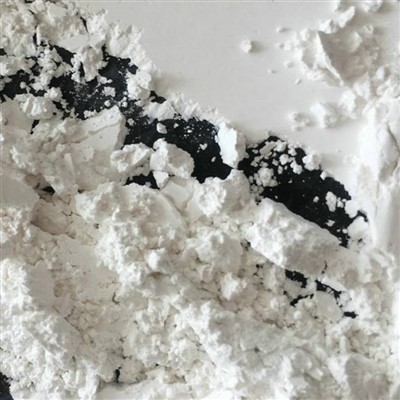
In terms of supply, we have a reliable production and distribution network. We can ensure a stable supply of calcium carbonate to meet the needs of our customers in the pharmaceutical industry. Whether it is a small – scale pharmaceutical company or a large – scale multinational corporation, we can provide customized solutions to meet their specific requirements.
Contact for Purchase
Talc If you are in the pharmaceutical industry and are interested in purchasing high – quality calcium carbonate for your products, I encourage you to reach out to us. We are committed to providing you with the best products and services. Our calcium carbonate can be tailored to your specific needs, whether it is for calcium supplements, antacids, excipients, or dental products. Contact us today to start a discussion about your requirements and how we can meet them.
References
- Burtles, D. G., & Heaton, K. W. (1977). Bioavailability of calcium from different calcium salts and foodstuffs. The Lancet, 310(8043), 1103 – 1105.
- Feldman, M., & Richardson, P. (1986). Calcium carbonate: A reappraisal of its role as an antacid. Journal of Clinical Gastroenterology, 8(1), 1 – 10.
- Rowe, R. C., Sheskey, P. J., & Quinn, M. E. (Eds.). (2009). Handbook of Pharmaceutical Excipients. Pharmaceutical Press.
- Zero, D. T., & Limeback, H. (2006). The use of calcium – containing toothpastes to prevent and reverse dental caries. Journal of the American Dental Association, 137(10), 1413 – 1419.
Lingshou County LM Mineral Products Co., Ltd.
As one of the most professional calcium carbonate manufacturers and suppliers in China, we’re featured by quality products and good service. Please rest assured to buy customized calcium carbonate made in China here from our factory. Contact us for more details.
Address: Dongzhuang Village, Nanyanchuan Township, Lingshou County, Shijiazhuang City, Hebei Province
E-mail: lmwtwz@163.com
WebSite: https://www.lmwtz.com/
