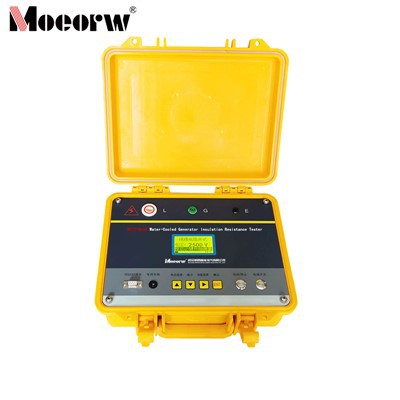
Selecting the appropriate test voltage for a Dielectric Strength Tester is a critical task that directly impacts the accuracy and reliability of electrical safety testing. As a supplier of Dielectric Strength Testers, I understand the challenges and importance of this process. In this blog, I will share some insights and guidelines to help you choose the right test voltage for your specific needs. Dielectric Strength Tester
Understanding Dielectric Strength Testing
Before delving into the selection of test voltage, it’s essential to understand the concept of dielectric strength testing. Dielectric strength refers to the ability of an insulating material to withstand an electric field without breaking down. A Dielectric Strength Tester, also known as a hipot tester, is used to apply a high voltage to an electrical device or component to test its insulation integrity. If the insulation is inadequate, a breakdown may occur, resulting in a current flow that can be detected by the tester.
The purpose of dielectric strength testing is to ensure that electrical products meet safety standards and are free from insulation defects that could pose a risk of electric shock or fire. By applying a higher voltage than the normal operating voltage, the test can simulate extreme conditions and identify potential weaknesses in the insulation system.
Factors Affecting Test Voltage Selection
Several factors need to be considered when selecting the appropriate test voltage for a Dielectric Strength Tester. These factors include the type of product being tested, relevant safety standards, the operating voltage of the device, and the insulation material used.
Type of Product
Different types of electrical products have different requirements for dielectric strength testing. For example, consumer electronics such as smartphones and laptops typically have lower test voltage requirements compared to industrial equipment like motors and transformers. The test voltage for consumer electronics may range from a few hundred volts to a few thousand volts, while industrial equipment may require test voltages in the tens of thousands of volts.
Safety Standards
Safety standards play a crucial role in determining the test voltage for dielectric strength testing. Various national and international standards, such as UL, IEC, and EN, specify the minimum test voltage requirements for different types of electrical products. These standards are designed to ensure the safety of users and prevent electrical hazards. When selecting a test voltage, it’s important to comply with the relevant safety standards applicable to your product.
Operating Voltage
The operating voltage of the electrical device is another important factor to consider. In general, the test voltage should be higher than the normal operating voltage to ensure that the insulation can withstand potential overvoltage conditions. A common rule of thumb is to apply a test voltage that is 1.5 to 2 times the rated operating voltage of the device. However, this may vary depending on the specific application and the requirements of the safety standards.
Insulation Material
The type and quality of the insulation material used in the electrical device also affect the test voltage selection. Different insulation materials have different dielectric strengths, and the test voltage should be selected based on the dielectric strength of the insulation material. For example, materials with high dielectric strength, such as ceramic and mica, can withstand higher test voltages compared to materials with lower dielectric strength, such as plastic and rubber.
Methods for Determining Test Voltage
There are several methods for determining the appropriate test voltage for a Dielectric Strength Tester. These methods include referring to safety standards, conducting a risk assessment, and using empirical data.
Referring to Safety Standards
As mentioned earlier, safety standards provide specific guidelines for dielectric strength testing, including the minimum test voltage requirements for different types of electrical products. By referring to the relevant safety standards, you can ensure that your testing process complies with the regulatory requirements. For example, the UL 60950 standard for information technology equipment specifies a test voltage of 1500 V for basic insulation and 3000 V for reinforced insulation.
Conducting a Risk Assessment
In some cases, the safety standards may not provide a specific test voltage for a particular product or application. In such situations, conducting a risk assessment can help determine the appropriate test voltage. A risk assessment involves identifying the potential hazards associated with the electrical device, evaluating the likelihood and severity of these hazards, and determining the appropriate level of protection. Based on the risk assessment, a test voltage can be selected to ensure that the insulation is capable of withstanding the potential overvoltage conditions.
Using Empirical Data
Empirical data from previous testing or industry experience can also be used to determine the test voltage. If you have tested similar products in the past, you can use the test results to establish a baseline for the test voltage. Additionally, you can consult with industry experts or other manufacturers to obtain information about the typical test voltages used for similar products.
Practical Considerations
In addition to the factors mentioned above, there are some practical considerations when selecting the test voltage for a Dielectric Strength Tester. These considerations include the test duration, the test environment, and the capabilities of the tester.
Test Duration
The test duration is an important parameter that affects the accuracy and reliability of the dielectric strength test. In general, the test should be conducted for a sufficient period of time to allow any potential insulation defects to manifest. The test duration may vary depending on the type of product being tested and the requirements of the safety standards. For example, some standards may require a test duration of 1 minute, while others may specify a longer or shorter duration.
Test Environment
The test environment can also affect the dielectric strength of the insulation material. Factors such as temperature, humidity, and contamination can reduce the dielectric strength of the insulation and increase the likelihood of a breakdown. Therefore, it’s important to conduct the dielectric strength test in a controlled environment that meets the requirements of the safety standards.
Tester Capabilities
The capabilities of the Dielectric Strength Tester, such as the maximum test voltage and the current measurement range, should also be considered when selecting the test voltage. Make sure that the tester is capable of applying the desired test voltage and measuring the leakage current accurately. Additionally, the tester should have appropriate safety features to protect the operator and the device being tested.
Conclusion
Selecting the appropriate test voltage for a Dielectric Strength Tester is a complex process that requires careful consideration of several factors. By understanding the principles of dielectric strength testing, referring to safety standards, conducting a risk assessment, and considering practical considerations, you can ensure that your testing process is accurate, reliable, and compliant with the regulatory requirements.
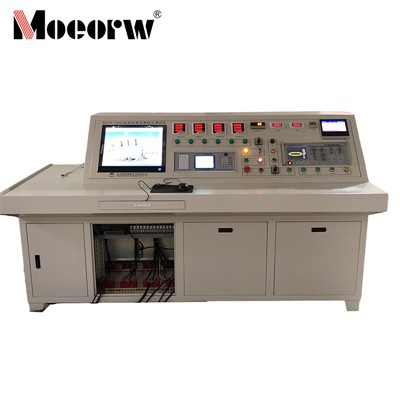
Transformer Winding Deformation Tester As a supplier of Dielectric Strength Testers, we are committed to providing high-quality products and professional technical support to help you meet your electrical safety testing needs. If you have any questions or need further assistance in selecting the appropriate test voltage for your application, please feel free to contact us for a consultation. We look forward to working with you to ensure the safety and reliability of your electrical products.
References
- UL Standards for Safety.
- IEC International Standards.
- EN European Standards.
Wuhan Moen Intelligent Electric Co., Ltd.
As one of the most professional dielectric strength tester manufacturers in China, we’re featured by quality products and good price. Please rest assured to buy high quality dielectric strength tester in stock here and get quotation from our factory. Customized orders are welcome.
Address: Building A, No.1, Fenghuangyuan 2nd Road, Donghu New Technology Development Zone, Wuhan, Hubei, China
E-mail: info@hvhipotsystem.com
WebSite: https://www.hvhipotsystem.com/
