Handling the waste generated during the testing process of the Transportation Material Flammability Tester is a critical aspect that demands our attention as a supplier. In this blog, I’ll share some insights on how to manage this waste effectively, ensuring both environmental protection and compliance with relevant regulations. Transportation Material Flammability Tester
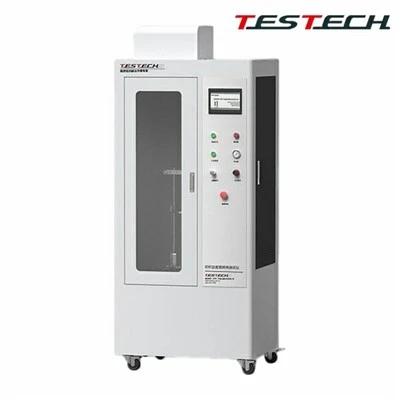
Understanding the Types of Waste
When conducting flammability tests using our Transportation Material Flammability Tester, several types of waste can be generated. Firstly, there are test specimens. These are often pieces of transportation materials such as upholstery, plastics, or foams that have been subjected to high – intensity heat and flame exposure. These specimens may have undergone chemical changes during the testing, making them potentially hazardous.
Secondly, there can be waste gases. During the flammability testing, the combustion of materials releases various gases. Some of these gases may contain harmful substances, for example, carbon monoxide, hydrogen cyanide, and volatile organic compounds (VOCs). These gases need to be carefully managed to prevent air pollution.
The third category of waste is related to the consumables used in the testing process. This includes items like fuel for the burners, solvents for cleaning the testing equipment, and any chemical reagents used for calibration or analysis. These consumables, once used, need proper disposal to avoid environmental contamination.
Regulatory Compliance
Before implementing any waste management strategy, it’s essential to understand and comply with all relevant regulations. Different regions have different rules regarding the disposal of waste generated from flammability testing. For example, in the European Union, the Waste Framework Directive sets out the general principles for waste management, including waste prevention, reuse, recycling, and proper disposal.
In the United States, the Environmental Protection Agency (EPA) has strict regulations on hazardous waste disposal. The Resource Conservation and Recovery Act (RCRA) defines what constitutes hazardous waste and provides guidelines on how to handle, store, and dispose of it safely. As a supplier, we must ensure that our customers are well – informed about these regulations and provide them with the necessary support to comply.
Waste Management Strategies
1. Reduction of Waste at the Source
One of the most effective ways to handle waste is to reduce its generation in the first place. We can work with our customers to optimize the testing process. For example, by using more accurate testing methods, we can reduce the number of test specimens required. Instead of conducting multiple tests on large specimens, we can develop techniques to obtain accurate results from smaller samples.
We can also encourage the use of reusable or recyclable test specimens. For some materials, it may be possible to use synthetic substitutes that can be reused multiple times without significant degradation. This not only reduces waste but also cuts down on the cost of test specimens for our customers.
2. Proper Collection and Storage of Waste
Once the waste is generated, it should be collected and stored properly. Test specimens should be placed in sealed containers to prevent the release of any residual gases or contaminants. These containers should be labeled clearly with information about the type of waste, the date of collection, and any associated hazards.
Waste gases need to be captured using appropriate exhaust systems. The exhaust systems should be equipped with filters and scrubbers to remove harmful substances before the gases are released into the atmosphere. The captured waste gases can then be stored in special containers for further treatment or disposal.
Consumables such as used fuel and solvents should be stored in dedicated storage areas. These areas should be well – ventilated, away from sources of ignition, and in compliance with local fire and safety regulations.
3. Treatment of Waste
There are several treatment options available for the waste generated during the testing process. For test specimens, depending on their composition, they can be incinerated in a controlled environment. Incineration can destroy the organic components of the specimens and reduce their volume. However, it’s crucial to ensure that the incineration process is carried out in a facility that meets all environmental standards, as it can release harmful pollutants if not properly managed.
Waste gases can be treated using various methods. For example, carbon monoxide can be oxidized to carbon dioxide, which is less harmful. VOCs can be removed through adsorption or catalytic oxidation processes. These treatment methods can significantly reduce the environmental impact of the waste gases.
Used solvents and fuels can sometimes be recycled. Through processes such as distillation, the solvent can be purified and reused in the testing process. This not only reduces waste but also saves costs for our customers.
4. Disposal of Waste
After treatment, the waste needs to be disposed of properly. Non – hazardous waste can be sent to regular landfills, while hazardous waste must be disposed of at specialized facilities. We can assist our customers in finding reliable waste disposal contractors who are licensed to handle the specific types of waste generated from the flammability testing.
Training and Support
As a supplier of the Transportation Material Flammability Tester, we understand that proper waste management requires knowledge and skills. That’s why we offer comprehensive training programs for our customers. These programs cover topics such as waste identification, collection, storage, treatment, and disposal.
Our technical support team is also available to answer any questions our customers may have regarding waste management. We can help them troubleshoot problems, optimize their waste management processes, and ensure compliance with all relevant regulations.
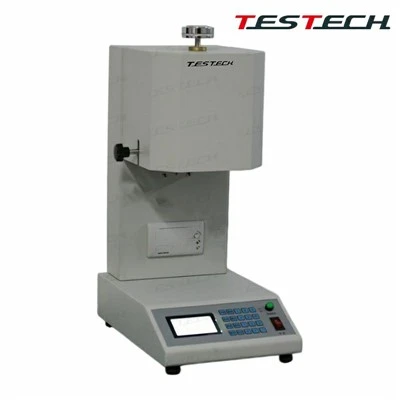
In conclusion, handling the waste generated during the testing process of the Transportation Material Flammability Tester is a complex but crucial task. By implementing effective waste management strategies, complying with regulations, and providing training and support to our customers, we can contribute to a more sustainable and environmentally friendly testing process.
Transportation Material Flammability Tester If you’re interested in learning more about our Transportation Material Flammability Tester or need assistance with waste management during the testing process, we’d be more than happy to have a discussion with you. Reach out to us to start a conversation about your specific needs and how we can help you achieve your testing goals while ensuring proper waste handling.
References
- European Union. (2008). Directive 2008/98/EC of the European Parliament and of the Council of 19 November 2008 on waste and repealing certain Directives.
- United States Environmental Protection Agency. (1976). Resource Conservation and Recovery Act (RCRA).
TESTech Instrument (Suzhou) Technologies
TESTech Instrument (Suzhou) Technologies is one of the most reliable transportation material flammability tester manufacturers and suppliers in China. If you’re going to wholesale durable transportation material flammability tester, welcome to get quotation from our factory. For price consultation, contact us.
Address: 8/F, R&D and Production Workshop No. 5, Jiangsu Guoqian Technology Innovation Industrial Park, 168 Lüliangshan Road, Huqiu District, Suzhou, Jiangsu Province, China
E-mail: sales@testech.com.cn
WebSite: https://www.testechfiretest.com/
