In the realm of mechanical engineering, the performance and safety of a vehicle hinge significantly on the efficiency of its brake system. One component that plays a crucial yet often overlooked role in this system is the compression spring. As a seasoned compression spring supplier, I’ve witnessed firsthand how these seemingly simple devices have a profound impact on the functionality of brake systems. In this article, we’ll delve into the specific functions of compression springs in brake systems, exploring their design, materials, and the critical role they play in ensuring optimal braking performance. Compression Spring

The Basics of Compression Springs
Before we dive into their role in brake systems, let’s briefly understand what compression springs are. A compression spring is a spiral-wound mechanical device that resists compressive forces. It stores energy when it is compressed and releases this energy when the force is removed, returning to its original shape. This unique property makes compression springs ideal for a wide range of applications, including automotive brake systems.
Compression springs are typically made from high-quality materials such as stainless steel, chrome silicon steel, and music wire. The choice of material depends on various factors, including the operating environment, the required strength, and the expected lifespan of the spring. For brake systems, materials that can withstand high temperatures, corrosion, and repeated stress are essential.
The Role of Compression Springs in Brake Systems
1. Returning Brake Components to Their Original Position
One of the primary functions of compression springs in a brake system is to return the brake pads or shoes to their original position once the braking force is released. When the driver applies the brakes, hydraulic or mechanical force is used to push the brake pads against the rotor (in disc brakes) or the brake shoes against the drum (in drum brakes). This creates friction, which slows down or stops the vehicle.
Once the driver releases the brake pedal, the compression springs are responsible for pulling the brake pads or shoes away from the rotor or drum. This ensures that there is no residual friction, which could lead to premature wear of the brake components and increased fuel consumption. Without properly functioning compression springs, the brakes would remain partially engaged, causing the vehicle to drag and reducing its overall efficiency.
2. Maintaining Proper Brake Clearance
Compression springs also play a crucial role in maintaining the correct clearance between the brake pads or shoes and the rotor or drum when the brakes are not in use. This clearance is essential to prevent the brakes from rubbing against the rotating components, which can generate heat and cause unnecessary wear.
The compression springs exert a constant force that keeps the brake components at the optimal distance from each other. Over time, the brake pads and shoes wear down, which can change the clearance. The compression springs are designed to compensate for this wear by adjusting their length and maintaining the proper spacing. This ensures that the brakes respond quickly and smoothly when the driver applies the brake pedal.
3. Absorbing Vibrations and Shocks
Brake systems are subjected to a significant amount of vibrations and shocks during normal operation. These vibrations can be caused by uneven road surfaces, sudden stops, or the rotation of the wheels. Compression springs help to absorb these vibrations and shocks, reducing the stress on the brake components and improving the overall ride comfort.
By acting as a buffer, the compression springs prevent the brake system from being damaged by excessive vibrations. They also help to reduce noise and ensure that the brakes operate quietly. This is particularly important for modern vehicles, where a smooth and quiet ride is highly valued by consumers.
4. Ensuring Consistent Braking Force
Consistency is key when it comes to braking performance. Compression springs help to ensure that the braking force is applied evenly across the brake pads or shoes. They distribute the force uniformly, preventing any one area of the brake from being overloaded.
This consistent braking force is essential for safe and reliable braking. It helps to prevent the vehicle from pulling to one side during braking, which can be dangerous. By maintaining a balanced braking force, compression springs contribute to the overall stability and control of the vehicle.
Design Considerations for Compression Springs in Brake Systems
Designing compression springs for brake systems requires careful consideration of several factors. These include the load requirements, the operating temperature, the space limitations, and the expected lifespan of the spring.
1. Load Requirements
The load requirements of the compression spring depend on the size and type of the brake system. Larger vehicles and those with more powerful engines typically require springs with higher load capacities. The spring must be able to withstand the force generated by the braking mechanism without deforming or failing.
Engineers use advanced calculations and simulations to determine the appropriate load capacity for the compression spring. They consider factors such as the maximum braking force, the number of cycles the spring will undergo, and the safety margin required.
2. Operating Temperature
Brake systems generate a significant amount of heat during operation. The compression spring must be able to withstand these high temperatures without losing its mechanical properties. Materials with high heat resistance, such as stainless steel and chrome silicon steel, are commonly used for brake springs.
The design of the spring also plays a role in its heat resistance. Springs with a larger pitch and a lower number of coils can dissipate heat more effectively, reducing the risk of overheating.
3. Space Limitations
Brake systems are often compact, and the compression spring must fit within the available space. Engineers must carefully design the spring to ensure that it meets the performance requirements while also fitting into the confined space.
This may involve using non-standard spring designs, such as conical or barrel-shaped springs. These types of springs can provide the same performance as traditional cylindrical springs while taking up less space.
4. Expected Lifespan
Brake systems are critical safety components, and the compression springs must be designed to last for the lifetime of the vehicle. Manufacturers use high-quality materials and advanced manufacturing processes to ensure that the springs have a long service life.
Regular maintenance and inspection of the brake system can also help to prolong the lifespan of the compression springs. By detecting and replacing worn or damaged springs early, the risk of brake failure can be reduced.
Quality Assurance and Testing
As a compression spring supplier, we understand the importance of quality assurance and testing. We use state-of-the-art equipment and techniques to ensure that our springs meet the highest standards of quality and performance.
Our manufacturing process includes strict quality control checks at every stage, from raw material inspection to final product testing. We test our springs for load capacity, deflection, and fatigue resistance to ensure that they meet the specifications of our customers.
We also conduct environmental testing to ensure that our springs can withstand the harsh conditions of automotive applications. This includes testing for temperature resistance, corrosion resistance, and vibration resistance.
Conclusion
Compression springs are an essential component of brake systems, playing a vital role in ensuring the safety, performance, and reliability of vehicles. Their functions, including returning brake components to their original position, maintaining proper brake clearance, absorbing vibrations and shocks, and ensuring consistent braking force, are critical for the smooth operation of the brakes.
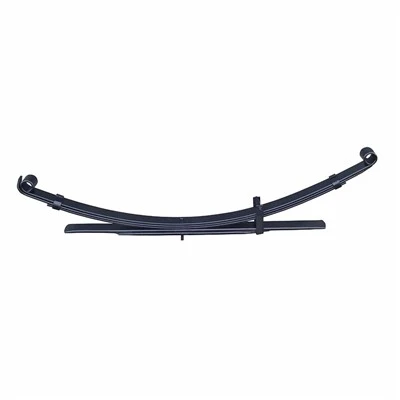
As a compression spring supplier, we are committed to providing high-quality springs that meet the specific requirements of our customers. Our team of experienced engineers and technicians uses the latest technology and manufacturing processes to produce springs that are durable, reliable, and efficient.
Conical Compression Spring If you’re in the market for compression springs for your brake system, we’d love to hear from you. Contact us to discuss your requirements and learn more about how our products can help improve the performance of your brake system.
References
- Budynas, R. G., & Nisbett, J. K. (2011). Shigley’s Mechanical Engineering Design. McGraw-Hill Education.
- Juvinall, R. C., & Marshek, K. M. (2011). Fundamentals of Machine Component Design. Wiley.
- Spotts, M. F., Shoup, T. E., & Wang, C. Y. (2004). Design of Machine Elements. Prentice Hall.
Shengzhou Deyuxiang Hardware Accessories Co., Ltd.
We are one of the most professional compression spring manufacturers and suppliers in China, also support customized service. With abundant experience, we warmly welcome you to buy high quality compression spring made in China here and get pricelist from our factory. For price consultation, contact us.
Address: No. 38, Caosheng Road, Caoqiao Street, Pinghu City, Jiaxing City, Zhejiang Province
E-mail: 877286126@qq.com
WebSite: https://www.dyx-spring.com/
