Hey there, let’s cut to the chase—if you’re someone who’s got a collection of watches (whether it’s a handful of daily wearers or a whole stash you’ve built over years) you’ve probably wondered: wooden watch boxes vs. plastic ones, which actually wins? I run a watch boxes supply company, so I’m not just here to ramble—this is stuff I see play out every single day, whether it’s with a customer grabbing a box for their personal collection or a boutique ordering bulk to stock their shelves. Let’s get real, no fancy corporate jargon, just what actually matters. Watch Boxes
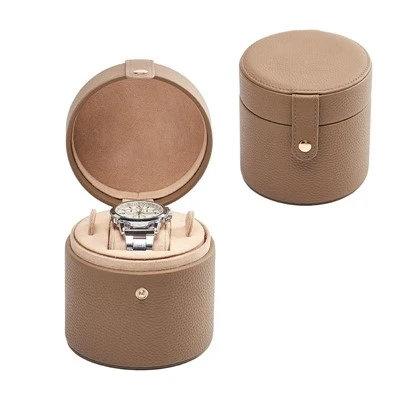
First off, let’s talk about the basics: what are these boxes even for? They’re not just something to stuff watches into when you’re not wearing them. They’re supposed to protect your investment, keep them in good shape, maybe even make them look nice when you pull one out. Let’s start with protection, because that’s the big one people don’t always think through.
Plastic boxes are cheap, right? I get it—if you need a last-minute gift for a friend who just bought their first nice watch, a $5 plastic case from the drugstore seems like a steal. But here’s the thing: most mass-produced plastic is made from polypropylene or PVC, and it’s not exactly the most stable material. Leave a plastic box in a hot car for an hour, and what happens? The plastic starts to warp. It softens, gets all bendy, and if you’ve got a watch with a leather strap or a vintage movement in there? That warp can scratch the case, or even put pressure on the glass. Also, plastic doesn’t breathe at all. If you seal a watch in an airtight plastic box, moisture can get trapped in there—even from humidity in the air. Over time, that moisture will turn into that icky white film on metal parts, or make leather straps crack way faster than they should. I’ve had customers tell me their plastic-boxed watch developed a weird sticky residue on the dial after just six months, and that’s exactly why.
Now wood. Not just any wood, by the way—we source solid hardwoods like maple, walnut, and oak, not that cheap pressed particle board that has more plastic and glue than actual wood. Solid wood is way more temperature-stable. Leave it in a hot garage? It’ll expand a tiny bit, but not warp—those hardwoods hold their shape way better than plastic. And wood breathes! It has tiny pores that let air circulate, so moisture doesn’t get trapped. That’s a huge win for watches with leather straps or delicate mechanical movements—they don’t get that trapped humidity issue. I’ve had a customer come back three years later saying their watch in one of our walnut boxes still looked brand new, whereas the plastic box they used before had their vintage Rolex’s bezel all scratched up.
Next up, what about organization and fit? Let’s be real, no one wants their watches jostling around and scratching each other. Plastic boxes—most of the cheap ones—have generic foam inserts. The foam is too soft, or too hard, and it doesn’t hold the watch snug. If you toss the box in a drawer, the watches bang into each other. A lot of plastic boxes don’t even have individual slots for each watch, so you’re just piling them in.
Wooden boxes? We make custom-cut velvet or felt inserts that fit each watch like a glove. The slots are sized specifically to hold different watch sizes—whether you’ve got a tiny ladies’ quartz or a big oversized dive watch. No jostling, no scratching. Also, wood boxes usually come with more flexible layouts. Some have removable dividers, so you can adjust if you get a new watch and need a bigger slot. Plastic boxes? The inserts are glued in, so you’re stuck with whatever size they gave you. Try shoving a 48mm watch into a slot made for a 40mm? Good luck, it’s either too tight or it wiggles around. And don’t even get me started on watch winders—if you want a winder for automatic watches, wooden ones are way sturdier. Plastic winders make that weird rattle noise when they spin, and the motor is usually cheap that dies in a year. Our wooden winders have quiet, high-torque motors that last for years, no rattle, no fuss.
Then there’s the aesthetic part. Let’s be honest, your watch box is going to sit on your dresser or desk. Are you really happy with a bulky, transparent plastic box that looks like it belongs in a college dorm’s mini fridge? Plastic boxes are mostly boring—clear, black, maybe a random cheap logo stamped on. They look functional, not nice. Wooden boxes? They have that natural, warm look that fits in with any decor. A walnut box looks like a piece of furniture, not some disposable plastic item. Some people even pass their wooden watch boxes down, because they hold their look and quality over time. I’ve had customers order wooden boxes for their homes, and their kids end up using them too when they start collecting watches. Can you imagine passing down a plastic box that’s yellowed and cracked after 10 years? No way.
Wait, let’s talk about durability long-term. How long do these boxes actually last? A cheap plastic box—if you use it every day, toss it around, leave it in the sun—will start to break down in a year or two. The plastic gets brittle, it starts yellowing, the latch breaks. I’ve seen customers buy three or four plastic boxes in five years just because they fall apart. A solid wooden box? We stand by our boxes—they’re made to last 10, 20 years, even with regular use. The finish is a clear, durable coat that resists scratches and spills. If you get a scratch on a wooden box, you can even sand it lightly and re-finish it, something you can’t do with plastic. That’s a big cost difference too—if you spend $20 on a plastic box every year, that’s $200 over 10 years. Spend $100 on a wooden box, and that’s a one-time investment that lasts way longer.
But wait, I’m not gonna bash plastic entirely. Sometimes plastic makes sense. If you’re moving and need a temporary, cheap box to pack watches, or you’re on a super tight budget for a one-off gift? Plastic works for that. But if you’re looking for something to protect your watches long-term, that adds to their collection, and that fits your space? Wooden is the way to go.
I get it, some people might think wooden boxes are way more expensive. Yeah, upfront they cost more than a cheap plastic box, but when you do the math over time, they’re actually cheaper. And when you’re talking about watches—especially nice ones—you don’t want to cut corners on protecting them. A $500 watch? A $20 plastic box that scratches it? That’s way more money lost than the extra $80 for a wooden box.
Another thing I’ve noticed working with all kinds of customers: the people who have real watch collections, they almost always go for wooden boxes. It’s not a trend, it’s practical. They know their watches are investments, and they want to protect that investment. The casual collector might grab plastic for a quick fix, but after a few bad experiences with scratched watches or cheap boxes breaking, they switch to wood too.
If you’re someone who’s weighing your options right now—whether you’re setting up your first watch collection, or you’ve got a bunch of watches and they’re all floating around in a drawer—let me put it this way: don’t choose something that’ll cost you more in the long run, either in scratched watches or buying a new box every year. A good wooden box is an investment in your watches, and it’s something you can use for years.
If you’re ready to stop messing around with flimsy plastic boxes and get something that actually protects your watches, hit me up. We’ve got options for every kind of collection—small 2-slot boxes for your daily wearers, big 12-slot boxes for the serious collector, even watch winders for automatic watches. We work with both individual buyers who want something for their personal collection, and boutique shops that need bulk orders to stock their shelves. No weird fees, no gimmicks, just good quality watch boxes that do what they’re supposed to.
Oh, and before I wrap up, let me clear up one common myth: people think wooden boxes are heavy. Yeah, they’re a little heavier than plastic, but that’s a good thing— it means they’re solid, not cheap. A lightweight wooden box is probably made of particle board, so skip those. Our solid hardwood boxes are weighted just right, so they don’t tip over easily, and they feel substantial when you pick them up.
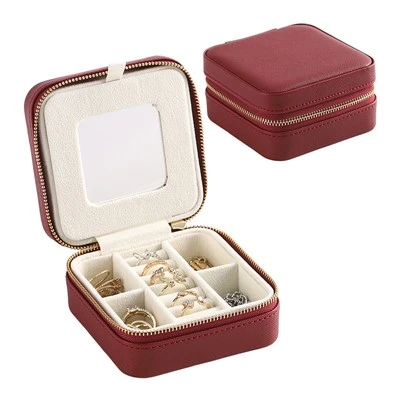
At the end of the day, it all comes down to what you value most. If you want something that’s disposable, cheap, and only works for a little while? Plastic’s fine. But if you care about your watches, want something that looks good in your space, and don’t want to replace your box every year? Wooden is the obvious choice.
Faraday Boxes References:
- International Organization for Standardization (ISO). (2018). Performance Requirements for Watch Storage Cases. ISO 14801:2018.
- American Watchmakers-Clockmakers Institute (AWCI). (2020). Guide to Watch Care and Storage: Humidity and Material Compatibility. AWCI Technical Bulletin 17.
- U.S. Department of Energy. (2019). Thermal Stability of Packaging Materials for Consumer Electronics: Comparison of Wood and Plastic. DOE Office of Energy Efficiency & Renewable Energy Report.
Shenzhen Yingbosang Crafts and Gifts Limited
Shenzhen Yingbosang Crafts and Gifts Limited is one of the most professional watch boxes manufacturers and suppliers in China, also supports customized service. Please feel free to wholesale bulk premium watch boxes made in China here from our factory. For quotation, contact us now.
Address: No.8, Ruiji Road, Nanlian Community, Longgang, Shenzhen, Guangdong, China
E-mail: andyzeng@ybsgroup.cn
WebSite: https://www.ybsbox.com/
