If you’re running a lab, you probably already know how essential ducted fume hoods are—they keep harmful fumes, vapors, and particulates from drifting into the air your team breathes. But here’s the thing: a ducted fume hood is only as good as the controller that runs it. I’m a supplier of these systems, and I get questions all the time from lab managers, facility engineers, and even new lab directors who ask, “Wait, what even is a ducted fume hood controller?” Let me break this down like I would if you were standing in our warehouse checking out a hood sample. Ducted Fume Hoods
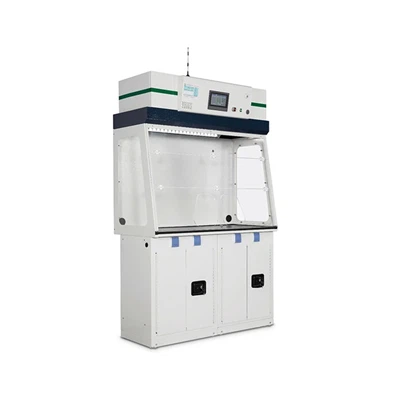
First off, let’s cut through the jargon. A ducted fume hood controller is the brain of your ducted fume hood setup. It’s not just a basic switch that turns the fan on and off—trust me, way more goes into it. Ducted fume hoods vent contaminated air outside the building, right? So the controller has to manage the entire air balance between the hood, the room, and the exhaust system. If that balance is off, you’ve got problems. Like, really big ones. For example, if the fan is blowing too hard, you might end up with negative pressure in the lab, which can pull unfiltered air in through doors or gaps, instead of the hood working as intended. If it’s blowing too weak, those fumes don’t get vented out—they hang around in the lab. No one wants that, especially if you’re working with chemicals like formaldehyde, methanol, or even more volatile stuff like ethers.
Let me walk you through how it works in real terms. Let’s say a lab tech opens the hood sash— that’s the sliding glass panel in front of the hood. The sash height affects how much air the hood needs to pull in. The controller has a sensor (usually a thermal anemometer, which measures air speed) that checks the face velocity of the hood—basically, how fast air is moving across the sash opening. Most labs are required by OSHA or other safety standards to keep that face velocity between 80 and 120 feet per minute (fpm). If the sash is all the way up, more air is coming in, so the controller cranks the fan speed to keep velocity in that sweet spot. If the tech lowers the sash, the controller slows the fan down. That’s what’s called a variable air volume (VAV) controller, which is the most common type of ducted fume hood controller we supply these days. Way better than the old constant volume controllers that just ran the fan at full speed no matter what—they wasted so much energy, and honestly, they were hard on the equipment.
Wait, let’s talk about why that matters for you as a lab operator. Constant volume controllers would blow the same amount of air all the time, even when the sash was closed. That means you’re paying to vent unused air outside, which adds up on your utility bills. VAV controllers are way more efficient—they adjust fan speed based on actual use, so you see lower energy costs. And not to get too salesy here, but that’s one of the biggest reasons labs switch over to the systems we provide. We’ve had customers tell us their energy bills dropped by 20-30% just after installing VAV controllers with our ducted hoods. That’s real money they can put back into research, new equipment, or even raises for their team.
Another key feature of ducted fume hood controllers: safety interlocks. These are non-negotiable. What if the exhaust fan breaks? The controller should trigger an alarm—either a light, a buzzer, or even a notification sent to your phone or facility management system. And some controllers will actually lock the hood sash if the fan fails, so no one can use the hood while it’s not venting properly. That’s a big one for compliance. OSHA, NFPA, and even local health codes require these interlocks to prevent accidents. We test all our controllers to make sure those interlocks work every time—no cut corners here.
Also, modern controllers have built-in data logging. You can track face velocity, sash position, fan runtime, even energy use. That’s super helpful for audits. If a inspector comes by, you can pull up a report showing your hoods are operating within safety standards. No more fumbling to pull old spreadsheets or trying to explain why your face velocity was off last quarter. The data is right there in the controller’s dashboard, which you can access on a computer or even a tablet. Some of our newer controllers even have Wi-Fi, so you can check your hoods from off-site—perfect for facility managers who need to keep an eye on multiple labs spread across a campus.
Wait, let’s clear up a common misconception. Some people think a ducted fume hood controller is the same as a ductless hood controller. No way. Ductless hoods recirculate air after filtering it, so their controllers are way simpler—they just monitor filter life and fan speed. Ducted hoods have to deal with the whole exhaust system, which is connected to your building’s ductwork, maybe even other hoods or ventilation systems. So the controller has to coordinate with the building’s HVAC system. For example, if you have multiple hoods in the same lab, the controller will make sure they’re all working together so you don’t have conflicting air flows. If one hood is cranking up its fan, the others adjust slightly to keep the lab pressure stable. That’s called pressure tracking, and it’s a must for multi-hood labs.
Let me give you a quick example of when this matters. A customer of ours was a university chemistry lab with three ducted fume hoods. They had an old VAV controller that wasn’t communicating between the hoods, so when they opened two sashes fully, the third hood’s face velocity dropped below 70 fpm. That’s a safety hazard—fumes weren’t being pulled in properly. They called us, and we replaced their old controller with a new one that does inter-hood communication. After installation, all three hoods maintained face velocity within 5 fpm of each other, even when all sashes were open. No more safety risks, and their energy use went down because the fans were running at optimal speeds, not maxing out just because one sash was up.
Now, what should you look for when choosing a ducted fume hood controller? First, make sure it’s compliant with local safety standards. OSHA 29 CFR 1910.1450 is the big one for lab fume hoods, so the controller should meet those requirements. Second, go VAV if you can—constant volume is just too wasteful. Third, check for easy calibration. You don’t want to have to call a technician every time the face velocity is off. Our controllers have user-friendly calibration tools so your in-house team can adjust it without extra help. Fourth, think about scalability. If you might add more hoods later, get a controller that can expand to handle more devices. That saves you from having to replace the whole system down the line.
And hey, I’ve seen some labs try to cut corners by using generic HVAC controllers for their fume hoods. Don’t do that. Fume hoods have very specific requirements—face velocity, sash position interlocks, exhaust failure alarms. Generic controllers don’t have those features, and you’ll end up with safety issues or compliance problems. The controllers we supply are built exclusively for ducted fume hoods, so we design every feature with lab safety in mind. We test each controller before it leaves our warehouse to make sure it works with our hoods, and we offer support if you run into any issues after installation.
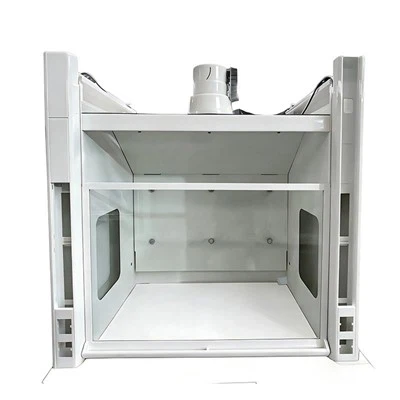
At the end of the day, a ducted fume hood controller isn’t just a part of your hood—it’s the core of your lab’s ventilation safety system. It keeps your team safe, cuts energy costs, and helps you stay compliant with all the rules. If you’re in the market for a ducted fume hood and a controller that works right with it, we’ve got you covered. We’ve installed systems in everything from small research labs to large university facilities, and we know what works for different setups.
Lab Casework If you’re ready to chat about your lab’s needs, whether you’re upgrading an old hood or outfitting a new lab, don’t hesitate to reach out. We can walk you through different controller options, explain how they’ll fit your space, and even help you figure out what size system you need. Safety shouldn’t be complicated, and your ventilation setup shouldn’t be either. Let’s talk through it so you get exactly what your lab needs.
References
- Occupational Safety and Health Administration (OSHA). 29 CFR 1910.1450: Occupational Exposure to Hazardous Chemicals in Laboratories.
- National Fire Protection Association (NFPA). NFPA 45: Standard on Fire Protection for Laboratories Using Chemicals.
- American National Standards Institute (ANSI). ANSI Z9.5: Ventilation for Commercial and Industrial Occupancies.
- University of California, Berkeley, Environmental Health & Safety. Fume Hood Basics: Operation and Maintenance.
HAMECC(Shanghai) Lab Solutions Co., Ltd.
We’re well-known as one of the leading ducted fume hoods manufacturers and suppliers in China, featured by quality products and good price. Please rest assured to buy customized ducted fume hoods made in China here from our factory.
Address: Building 1, No.2222, Huancheng Road, Jiading District, Shanghai
E-mail: info@hamecc.com
WebSite: https://www.hamecc.com/
