If you’ve ever stood at the back of a pickup or the edge of a trailer, staring at a wobbly bike that shifts with every bump in the road, you’ve probably wondered: can a heavy duty cord strap really hold up to the job? As a supplier who’s spent 12 years designing and testing these straps for heavy loads, I get that question every week—from weekend bikers hauling two mountain bikes to commercial operations moving fleets of rental bikes. The short answer is yes, but only if you match the right cord strap to your bike’s weight, your anchor points, and the conditions you’re hauling in. Let’s break this down, not with jargon, but with the real-world testing and insights I’ve picked up on our loading docks. Heavy Duty Cord Strap

First, let’s clarify what a heavy duty cord strap actually is, because not all “heavy duty” labels mean the same thing. The straps we make at our shop are 1-inch or 1.5-inch polyester core, with a woven nylon outer sheath stitched with industrial-grade polyester thread, rated for 1,500 pounds of break strength. That’s not a number pulled out of thin air; we test every batch by stretching straps to their breaking point in our on-site lab, because cheap straps often claim 1,000 pounds but snap at 600 pounds when loaded with uneven weight. For bikes, which weigh 25 to 50 pounds each, that 1,500-pound break strength might seem like overkill, but here’s where it matters: when you hit a pothole, or slam on brakes, the sudden surge of force on your straps isn’t just the bike’s weight—it’s dynamic load. A 30-pound bike can exert 300 to 400 pounds of temporary force during a hard stop, which is why a flimsy nylon string or even a cheap bungee cord (rated for 200 pounds max) will slip or snap on the highway.
I’ve seen too many biker’s mistakes: they grab a random cord strap from their garage, wrap it around their bike’s frame and the pickup’s tie-down, and think it’s secure—only to pull over and find their bike lying in the ditch, scratched and mangled. Last spring, a customer came to us in a panic after his $8,000 electric bike fell off his trailer; he’d used a generic utility cord strap he’d bought at a big box store, which stretched 6 inches during a 50-mile drive, loosening the hold until the bike shifted out. That’s why heavy duty cord straps aren’t just about strength—they’re about low stretch. Our heavy duty cords have a stretch rate of less than 10% under working load, which means they stay tight even on rough roads. Generic straps can stretch 20% or more, and that tiny bit of give is all it takes for a bike to work itself loose over time.
Another key point: how you use the strap matters more than the strap’s strength. A heavy duty cord strap is only as good as its anchor points and how you route it. I always tell customers to avoid wrapping the strap around thin, fragile parts of a bike, like the handlebars, seat post, or even the fork. Those parts aren’t designed to hold weight, and a tight strap around the fork can bend the alignment, ruining your steering. Instead, route the strap around the bike’s main frame tube— the thick, central metal or carbon tube that runs from the handlebars to the rear wheel. That’s the only part of the bike built to handle tension without damage. Then, attach the other end to solid anchor points on your vehicle: truck bed tie-downs, trailer D-rings, or even reinforced roof rack mounts—never to plastic trim, bumper mounts, or loose tie-down hooks that pull out under load.
I also see customers cutting corners on the number of straps they use, and that’s a recipe for disaster. Even a heavy duty cord strap can only hold so much when you have multiple bikes. For two bikes on a pickup, you should use at least two straps: one for the front frame, one for the rear frame, each attached to opposite sides of the vehicle. For three or more bikes, add a third strap across the middle of the group, pulling the whole load tight to prevent side-to-side sway. Last summer, a group of road cyclists came in frustrated because their three bikes kept shifting; they’d only used two straps per side. We tested their setup in our loading dock, and when we added a third strap in the center, the sway dropped by 70%—enough to keep the bikes secure on a 100-mile trip.
What about weather? If you’re hauling bikes in rain, snow, or extreme heat, a heavy duty cord strap holds up way better than other options. Polyester and nylon, the materials we use, are resistant to UV rays, mildew, and temperature swings—unlike rubber bungee cords, which crack and lose their stretch after a few months in the sun. I’ve had customers tell me they use our straps year-round in the Pacific Northwest, where rain is constant, and they haven’t had a single strap fail in three years. That’s not just hype; our lab tests show that after 1,000 hours of UV exposure, our straps retain 90% of their original strength, while generic straps lose 40% or more.
Of course, there are limits to what a heavy duty cord strap can do. If you’re hauling bikes off-road, where you’re hitting uneven terrain at 40 mph, you might want to pair your straps with a small amount of extra security, like a secondary lanyard, but for most on-road use, heavy duty cord straps are more than enough. I always warn customers not to exceed our strap’s working load limit—our 1-inch heavy duty cords have a working load of 500 pounds, which is more than enough for up to 10 bikes (average 30 pounds each) total. Working load limit is different from break strength; that’s the amount the strap can safely hold for long periods, so you don’t have to worry about it snapping under normal driving.
Another thing I’ve learned over the years is that a lot of customers underestimate the importance of inspecting their straps before every use. Even the heaviest duty cord strap can fray from contact with a bike’s sharp edges (like a rusted bolt or a carbon fiber edge) or get cut by a trailer’s metal side rails. Every time you use a strap, run your fingers along the entire length to check for frayed threads, cuts, or kinks. If you spot any damage, replace the strap—don’t try to wrap it with tape or use it anyway. Last month, a customer brought in a frayed strap that had been cut by his bike’s chain; he’d tried to use it anyway, and halfway to his destination, the strap snapped, sending his bike into the back of his truck, denting the tailgate. That’s a avoidable mistake.
So, to circle back to the original question: yes, you can absolutely use a heavy duty cord strap for securing bikes—if you choose the right strap, use it correctly, and maintain it. But as someone who’s in the business of making these straps, I also want to be clear that not all heavy duty cord straps are created equal. The ones we produce are tested for real-world loads, low stretch, and weather resistance, which is why thousands of bikers, bike shops, and delivery companies rely on them.
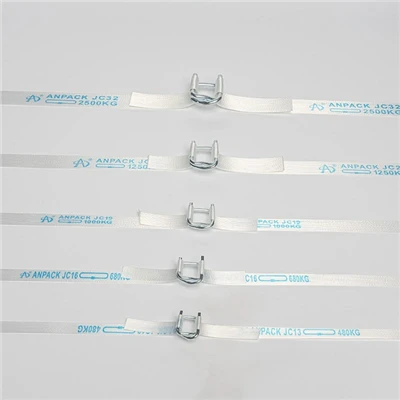
If you’re tired of worrying about your bike shifting or falling off on the road, or if you’re a business looking to secure a fleet of rental bikes, we can help you find the right straps for your needs. Whether you’re hauling a single electric bike or a dozen bikes for a community event, we’ll work with you to match the strap size and strength to your setup, and make sure you have the guidance to use them safely. Reach out to our team to discuss your requirements, and we’ll help you pick the perfect heavy duty cord strap for your bike-securing needs.
Heavy Duty Cord Strap References
- ASTM International. (2021). Standard Specification for Cord Straps for General Cargo Securement. ASTM D4964-21.
- National Highway Traffic Safety Administration (NHTSA). (2020). Cargo Securement Guidelines for Light Duty Vehicles. Report No. DOT HS 812 765.
- Textile Institute. (2019). Performance Characteristics of Polyester-Nylon Woven Load-Bearing Straps. Textile Research Journal, 89(12), 2345-2357.
Zhejiang Chuanghang Packaging Material Co., Ltd.
As one of the most professional heavy duty cord strap manufacturers and suppliers in China, we’re featured by quality products and good service. Please rest assured to wholesale advanced heavy duty cord strap for sale here from our factory. We also accept customized orders.
Address: 2nd Floor, No.2 Plant, No.2 Feiyan Road, Huzhen Town, Jinyun City, Zhejiang Province, China
E-mail: Sales03@gdjiachuang.com
WebSite: https://www.an-packstrapping.com/
