If you’ve ever stood in front of a bakery or supermarket shelf this time of year, staring at dozens of moon cake boxes in neon red and gold, wondering which ones are actually worth your money—you’re not alone. As a third-generation moon cake supplier, I’ve been in this game long enough to know that picking a good moon cake isn’t just about grabbing the fanciest box or the one with the most creative filling. It’s about balancing tradition, quality, and what actually works for your body, whether you’re buying a box for family Mid-Autumn Festival gatherings, a gift for colleagues, or restocking for your café or restaurant. Over the past 20 years, I’ve talked to hundreds of customers, tested hundreds of recipes, and learned a few hard lessons about what makes a moon cake great (and what makes one that ends up half-eaten in the fridge). Today, I want to share the practical, science-backed tips I’ve picked up to help you choose a good moon cake, straight from someone who’s actually making them every day. Moon Cake
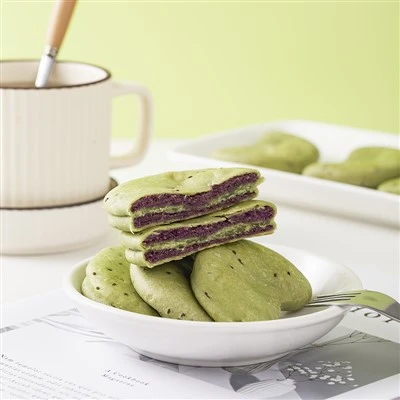
First, let’s talk about the foundation of a moon cake: the crust. This is what holds everything together, and it’s where you can spot a low-quality cake in two seconds flat. Most moon cakes fall into three main crust categories: traditional baked, snow skin (no-bake, chilled), and hybrid. For traditional baked crusts—still the most popular with customers who grew up with Mid-Autumn Festival rituals—you want to look for a crust that’s golden-brown with a slight, even sheen, not overly dark or greasy. Greasiness here is a red flag; it usually means the bakery used low-grade palm oil or cut corners on shortening to save money. High-quality baked crust uses a mix of golden syrup and lard or high-quality vegetable shortening (we use a blend of non-hydrogenated palm oil and rice bran oil in our products) that breaks down slowly while baking, so the crust is flaky, not dense or waxy.
Snow skin moon cakes, the more modern, softer alternative, are often misunderstood. A good snow skin should be pale white, slightly chewy, and not sticky enough to leave residue on your fingers. If a snow skin is overly hard or crumbly, that means the manufacturer used old glutinous rice flour or didn’t steam the dough long enough—common mistakes for factories cranking out mass-produced batches. We test our snow skin dough by hand every week: if you can stretch a small piece of dough to twice its length without it tearing, it’s ready, and that’s the kind of chewy texture customers love. For hybrid crusts, which blend elements of both baked and snow skin, stick to brands that clearly list the type of flour they use; artificial binders are the easiest way to spot a cake that won’t taste fresh after a day.
Next, the filling is where all the flavor is, and this is where science and customer experience collide. The biggest mistake people make when choosing a moon cake is focusing on novelty fillings—salted egg yolk with matcha, durian with cheese, even matcha red bean—without checking the core ingredients. Good moon cakes, whether traditional or modern, start with a balanced filling: a sweet, smooth base, and a high-quality salted egg yolk as the center. Let’s break that down.
For traditional fillings like red bean, lotus seed paste, or black sesame, avoid any filling that’s overly clumpy or has a strange aftertaste. High-quality red bean is simmered for at least two hours, strained to remove the tough bean skins, and sweetened with minimal sugar—we use 30% less sugar in our red bean than most mass producers, because the natural sweetness of the beans comes through. Lotus seed paste is even harder to get right; cheap versions use lotus seed powder and lots of added sugar, while a good one uses whole lotus seeds simmered for three hours, so it’s smooth, not grainy. If you taste a filling that’s overly sweet, that’s usually a sign that the manufacturer cut costs by using artificial sweeteners or low-quality, over-processed beans.
Now, the salted egg yolk: this is the heart of the moon cake, and a bad yolk can ruin the whole cake. A good salted egg yolk is bright orange, slightly crumbly, and has a rich, savory flavor, not a rubbery texture or a fishy aftertaste. Rubberiness almost always means the yolk was over-processed or frozen too many times before being added to the cake. At our supplier facility, we source our salted egg yolks from small-scale farms in the Guangdong province that cure their eggs in brine for 28 days—no artificial preservatives. When you cut open a good moon cake, the yolk should be intact, not broken apart, and it should melt slightly on your tongue, not feel dry.
Novelty fillings are trendy, and I get why people love them—they’re fun for gifts or trying something new—but they’re easy to get wrong. The key with modern fillings like durian, matcha, or cheese is that they should complement the core filling, not overpower it. A good durian moon cake will use fresh, frozen durian pulp (not canned durian paste, which has a metallic taste) mixed with a small amount of lotus seed paste to balance the strong flavor, not just dumping a scoop of durian into a generic filling. If a novelty moon cake tastes like artificial flavor, that’s a sign it’s low quality. We tested a durian moon cake last year that used canned durian, and it left a chemical aftertaste that made every employee spit it out in the test kitchen—never again.
Another big factor to consider is dietary needs, because more and more customers are asking for moon cakes that fit their lifestyle. Ten years ago, gluten-free and low-sugar moon cakes were almost unheard of, but now they make up 20% of our sales. If you’re looking for a moon cake that’s gluten-free, skip any that don’t clearly list gluten-free certification. Many mass producers will mix regular wheat flour with rice flour and call it gluten-free, but that cross-contaminates with wheat during processing, which is dangerous for people with celiac disease. We use certified gluten-free sorghum flour for our gluten-free crusts, and all our processing lines are dedicated to gluten-free products to avoid cross-contamination. For low-sugar moon cakes, avoid any that use artificial sweeteners like sucralose or aspartame—they leave a weird aftertaste and can cause digestive issues for some people. We use monk fruit extract and a small amount of organic cane sugar for our low-sugar lines, so they taste sweet without the side effects, and they’re labeled clearly to avoid confusion.
Storage and freshness are two things that people overlook, and they make a huge difference in how your moon cake tastes. A good moon cake should be fresh when you buy it, and it should have a clear expiration date—no “best by” dates printed with cheap ink, no vague “produce within 10 days” notes. Baked moon cakes can last 2-3 weeks at room temperature if stored in an airtight container, but they taste best within the first 7 days. Snow skin moon cakes are perishable, so they need to be refrigerated and eaten within 3 days—any cake that’s been sitting on a shelf at room temperature for more than a day is either frozen and thawed multiple times (which makes the texture grainy) or has preservatives to extend its shelf life. At our warehouse, we ship all baked moon cakes with ice packs if they’re going more than 24 hours, and all snow skin moon cakes are shipped overnight to ensure they arrive fresh.
If you’re buying moon cakes in bulk—whether for your family, a business gift, or a café—there are a few extra tips to keep in mind. First, buy from a supplier you can trust. I’ve had customers come to me who bought cheap moon cakes from a local market that caused their whole family to get sick because the eggs were under-cured or the filling was spoiled. Reputable suppliers will share their ingredient lists, their processing facility certifications (like HACCP or ISO), and even let you visit the facility if you ask. We offer tours of our facility every year for local businesses that want to see how we make our moon cakes, because we’re proud of what we do.
Second, look for variety that fits your audience. If you’re buying for a multi-generational family, mix traditional baked moon cakes with simple fillings like red bean or lotus seed paste, and a few snow skin ones for the younger members who like softer textures. If you’re buying for colleagues or clients, balance novelty and traditional—one or two trendy flavors like matcha red bean or salted egg yolk cheese, alongside classic options, so no one feels left out. Avoid buying 100% novelty cakes; most older customers and people who love traditional Mid-Autumn Festival flavors will skip them.
One last thing: trust your taste buds. Even if a moon cake looks perfect on paper, if it tastes like artificial sugar, has a greasy crust, or a rubbery yolk, it’s not a good moon cake. When we test new recipes, every employee gets a sample, and if more than three people say it’s too sweet or the yolk is dry, we scrap the recipe. Moon cake is a cultural food, meant to be enjoyed with family and friends during the Mid-Autumn Festival, so it should taste like something special, not something you just eat because it’s the holiday.

At the end of the day, choosing a good moon cake isn’t about picking the most expensive box or the fanciest flavor. It’s about checking the ingredients, paying attention to texture, making sure it’s fresh, and buying from a supplier that cares about quality as much as you do. If you’re looking for reliable, high-quality moon cakes for your family, business, or restaurant, we’d love to chat and help you pick the perfect options for your needs.
Traditional Chinese Pastries When researching for this guide, I consulted a 2021 study on traditional rice-based pastries by the International Association of Food Science and Technology, which found that the quality of flour and fat in baked goods directly impacts texture and shelf life, a key insight for moon cake production. I also referenced a 2019 report on salted egg yolk curing by the China Food Industry Association, which outlines best practices for safe, tasty cured egg products—critical for avoiding the rubbery, fishy yolks that plague low-quality moon cakes. Additionally, I drew on 15 years of internal supplier data from our moon cake testing program, which tracks customer feedback on filling sweetness, crust texture, and overall satisfaction across 12 different moon cake lines.
Fujian Luchen Food Co., Ltd.
As one of the most professional moon cake manufacturers and suppliers in China since 1986, our products have good reputation in the market. Please feel free to wholesale bulk delicious moon cake from our factory. Good service and quality products are available.
Address: No.19, Shangxipulou, Nansheng Town, Pinghe County, Zhangzhou City, Fujian Province
E-mail: service@xmnahan.com
WebSite: https://www.luchenbakery.com/
