If you’re a small-scale waste management operator, agricultural producer, or entrepreneur looking to enter the circular economy space, you’ve probably wondered: does a batch pyrolysis plant need a permit? As a supplier of batch pyrolysis systems— I’ve spent years walking clients through this exact question, and the short answer is: yes, but the specifics depend on your location, your plant’s size, and the materials you’re processing. Let’s break this down, from regulatory basics to how our systems are designed to align with compliance, so you can make an informed decision without the guesswork. Batch Pyrolysis Plant
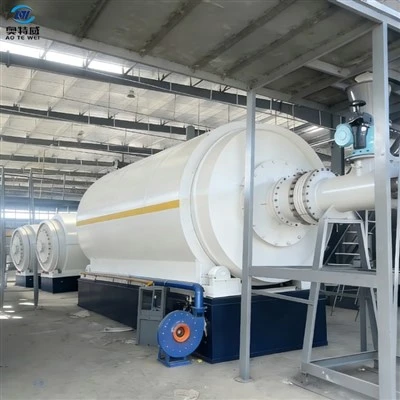
First, let’s ground ourselves in what a batch pyrolysis plant does—unlike continuous pyrolysis plants that run 24/7, batch plants process waste in discrete batches, usually between 1 and 10 tons per run, depending on the model. They heat organic or non-organic materials (tires, plastic, wood, agricultural waste, even sewage sludge) in an oxygen-free environment to produce valuable byproducts: biochar, fuel oil, syngas. For regulators, this discrete process means each batch has clear input and output streams, which simplifies (but doesn’t eliminate) oversight. That said, permit requirements aren’t one-size-fits-all, and skipping this step can lead to fines, shutdowns, or even criminal penalties in many regions.
Let’s start with the United States, since that’s where a lot of our initial clients are based. In the U.S., two main levels of regulation apply: federal (from the EPA) and state-level, plus local zoning rules that often get overlooked. At the federal level, if your plant processes non-hazardous waste (most standard batch plants for tires or plastic fall into this category), you’ll likely need an Industrial Stormwater Permit if your plant discharges any runoff, plus an Air Permit to control emissions from the pyrolysis process. Pyrolysis releases volatile organic compounds (VOCs) and particulate matter, so the EPA’s National Emission Standards for Hazardous Air Pollutants (NESHAP) applies here—your plant has to meet limits for these pollutants. If your plant processes hazardous waste, the rules get stricter: you’ll need a Resource Conservation and Recovery Act (RCRA) permit, a rigorous process that requires detailed waste manifests, employee training, and secure storage for hazardous materials.
Then there’s the state and local layer. For example, in Texas, the Texas Commission on Environmental Quality (TCEQ) issues air permits for stationary sources, and batch pyrolysis plants are classified as “major” or “minor” sources based on their emission output. A minor source (producing less than 10 tons of pollutants a year) might qualify for a simplified permit, while a major source needs a full Environmental Impact Statement (EIS). In California, the South Coast Air Quality Management District (SCAQMD) has even stricter rules for waste processing facilities, so clients here often work with our engineers to add emission control systems (like catalytic converters) that help qualify for lower-permit fees and faster approval. Local zoning is another big one: many cities zoned for industrial use only, so you can’t just set up a plant in a residential neighborhood without a conditional use permit. I’ve had a client in Ohio try to skip zoning checks and end up being forced to move their plant 20 miles away after nearby residents complained about noise—something we always advise clients to check before even ordering equipment.
Moving to the European Union, the rules are aligned across member states thanks to the Industrial Emissions Directive (IED), but again, national transpositions add nuances. In the UK, post-Brexit, the Environment Agency regulates pyrolysis plants as “waste treatment facilities,” and batch plants that process more than 50 tons of waste a year need a Pollution Prevention and Control (PPC) permit. Smaller plants (under 50 tons) might qualify for a simpler exemption, but only if they meet strict emission limits for NOx, SO2, and dioxins. In Germany, the Federal Environment Agency (UBA) requires all pyrolysis plants to undergo a “BAT (Best Available Techniques) check,” a process that evaluates whether your plant is using the latest, most efficient emission control technology. That’s why our batch plants come standard with a flue gas treatment system that meets Germany’s BAT standards—so clients here don’t have to retrofit equipment later to get their permit.
Asia is another fast-growing market for our batch pyrolysis systems, and rules here vary widely by country. In China, for example, the Ministry of Ecology and Environment (MEE) classifies pyrolysis plants that process hazardous waste as Class 1 facilities, requiring a national-level permit, while non-hazardous waste plants are Class 2, with provincial-level approval. China’s push for circular economy has streamlined permits for waste-to-energy facilities, but you still need to prove that your byproducts (like fuel oil or biochar) are being used for commercial purposes, not just dumped. In India, the Central Pollution Control Board (CPCB) issues permits for waste processing facilities, and batch plants are classified as “category B” industries, meaning they require a consent to operate (CTO) from state pollution control boards. A common pitfall for Indian clients is not accounting for noise pollution: CPCB has strict noise limits for industrial areas, so our plants are designed with insulated reactors to keep noise levels below 65 decibels during the day, which helps pass permit inspections.
Now, let’s talk about the common mistakes clients make when navigating permits—because that’s where our support as a supplier really adds value. The first mistake is assuming “small” means no permit. Even a 1-ton per batch lab-scale unit usually needs a minor permit, especially if it’s processing plastic or rubber. I had a client in Canada who bought a 2-ton batch plant thinking it was too small to need a permit, only to be hit with a $50,000 fine after the local environmental department did a routine inspection. The second mistake is not accounting for byproduct storage. Many permits require you to have a plan for what you do with the fuel oil, syngas, and biochar your plant produces—you can’t just store thousands of gallons of fuel oil in an unmarked tank. Our team works with clients to design storage systems that meet EPA or EU standards, so that’s part of the package when you buy a plant from us. The third mistake is skipping pre-permit consultations. Instead of hiring an environmental consultant after ordering equipment, we connect clients with regulatory experts who can review the plant design before manufacturing, flagging potential issues (like high emission levels that would require additional controls) so you don’t have to delay your project.
Another key point: permit rules are evolving, and batch pyrolysis is at the center of that evolution. As governments push for waste reduction and carbon neutrality, many regions are updating rules to make it easier for small-scale pyrolysis operators. For example, the U.S. Inflation Reduction Act now offers tax credits for waste-to-energy facilities, which can offset permit and compliance costs. In the EU’s Circular Economy Action Plan, batch pyrolysis plants are classified as “circular economy enablers,” so some member states are fast-tracking permits for plants that use 70% or more waste as input. That means investing in a batch pyrolysis plant now isn’t just about processing waste—it’s about positioning your business to take advantage of these incentives, as long as you stay on top of permit changes.
Let’s also address a question we get all the time: can you operate a batch pyrolysis plant without a permit? The short answer is no, in almost every country with environmental regulations. Even unlicensed small-scale operations (like a farmer processing agricultural waste on their property) need a permit in most places, because even small emissions can contribute to local air quality issues. There have been cases in France where small farmers were fined for processing olive pits in an unpermitted pyrolysis unit, even though the input was natural and the plant was small. The fine wasn’t just for the operation—it was for the lack of monitoring records, waste tracking, and emission controls that permits require.
As a supplier, our goal isn’t just to sell equipment—it’s to help clients navigate the entire process, from design to permit approval to ongoing compliance. That’s why every batch pyrolysis plant we sell comes with: a detailed design packet tailored to your region’s regulations, emission control systems that meet local standards, and access to our network of environmental consultants who specialize in pyrolysis permit applications. We also offer post-installation support, including regular audits to make sure your plant stays compliant with permit conditions.
If you’re ready to move forward with a batch pyrolysis plant, or just want to ask specific questions about permits for your location, we’re here to help. Whether you’re processing tires in Texas, plastic in Germany, or agricultural waste in India, we can walk you through the permit process, address your concerns, and help you design a plant that’s both efficient and compliant. Let’s connect to discuss your project details, so you can get a clear roadmap for permits and operation.
Oil Processing Plant References
EPA. (2023). Stationary Sources: Industrial Air Permits. U.S. Environmental Protection Agency.
European Commission. (2022). Industrial Emissions Directive (IED) Guidance.
Environment Agency UK. (2024). Waste Treatment Facilities: Permitting Requirements.
Central Pollution Control Board India. (2023). Consent to Operate Guidelines for Waste Processing Units.
UBA Germany. (2023). Best Available Techniques (BAT) for Pyrolysis Plants.
Shangqiu Aotewei Environmental Protection Equipment Co., Ltd.
Shangqiu Aotewei Environmental Protection Equipment Co., Ltd. is one of the most professional batch pyrolysis plant manufacturers and suppliers in China, also supports customized service. Please feel free to buy CE approved batch pyrolysis plant at competitive price from our factory. Welcome to contact us for pricelist.
Address: No.88 Longhai Road, Liangyuan District, Shangqiu City, Henan Province, China
E-mail: colin@henanpower.com.cn
WebSite: https://www.aoteweitech.com/
