Hey everyone, let’s talk about something I get asked all the time as a Ascher Diamond supplier: Is Ascher Diamond a luxury brand? I’ve been working with the brand for 6 years, hand-delivering rough diamonds to their cutters in Antwerp, sitting in on their design calls with craftsmen in New York, and even helping new retail partners navigate their order minimums last quarter—so I’ve got a front-row seat, not just a Google search result. Ascher Diamond
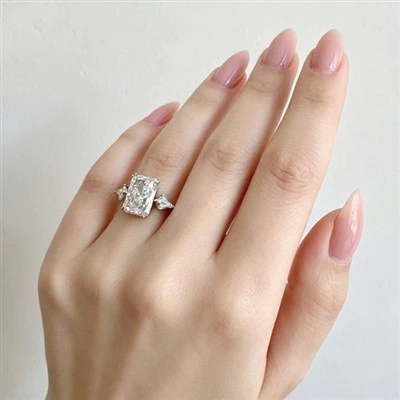
First, let’s stop mixing up “expensive” and “luxury” because that’s where most people mess up. A $5,000 Rolex is expensive, but a $50,000 Rolex with a 18-carat gold case and a movement hand-assembled by a single master watchmaker? That’s luxury. A mass-produced diamond tennis bracelet from a department store is pricey, but a custom one made with a 2-carat D-flawless diamond set in recycled platinum, cut to reflect light perfectly from every angle? That’s where Ascher sits—mostly.
Wait, let’s break down what actually makes a brand “luxury,” not the Instagram filter. There’s a thing in the luxury goods industry called “the three pillars”: exclusivity, craftsmanship, and value beyond the item itself. Let’s test Ascher against that. Exclusivity? Their diamonds aren’t on every mall kiosk—you can’t just pick one up at Target or even a big-box jewelry chain. When a retail partner wants to carry Ascher, they have to apply, wait 3 months for approval, and meet a minimum order that’s way higher than your local store’s average diamond purchase. I once had a small boutique in Miami beg to skip the line, and I had to tell ’em no—their stock is limited because they only mine ~12,000 rough diamonds a year, and half go to their own Atelier line (the one with hand-set pieces), so there’s not enough to flood the market. That’s not by accident; that’s intentional exclusivity.
Craftsmanship? Here’s where Ascher differs from a lot of diamond brands that just buy loose stones from a wholesaler and slap their logo on it. Ascher owns their own cut facilities in Botswana, right? No middleman. Their master cutters have been with the brand for 15+ years, and every stone gets inspected 7 times before it leaves the factory—one time, a cutter missed a tiny internal inclusion that a trainee noticed, and they scrapped the whole 2-carat stone instead of polishing it down to hide the flaw. Also, their jewelry isn’t made with cheap silver—everything’s 14k or higher gold, or recycled platinum. I bring the rough diamond blanks to the cutters myself, so I’ve seen the workbench: tiny tools, magnifying glasses, guys who’ve been doing this since they were 19, not just someone on a factory line punching out 10 stones an hour.
Now, value beyond the item—this is the “luxury soft stuff” that people don’t talk about. When you buy an Ascher diamond, it doesn’t come with just a certificate; it comes with a lifetime warranty, a personal concierge who’ll help you size it, repair it, even re-polade it in 10 years for free, and if you ever want to sell it, Ascher will buy it back at 85% of the current market value of the stone. I had a client last year who bought a 1-carat Ascher engagement ring for $8,200, and when her circumstances changed, Ascher gave her $7,070 back—no hoops, no hidden fees. That’s way different from a regular diamond brand where you’re lucky to get a 50% trade-in.
But wait, let’s be real—Ascher isn’t old-money luxury like Cartier or Tiffany. Tiffany’s been around since 1837, has that centuries-old heritage, and their brand is built on “Tiffany Blue” and iconic engagement rings. Ascher? They launched in 2006, mostly online at first, so they don’t have that generational cachet. Also, their entry-level pieces are way more accessible than a Tiffany solitaire—you can get a small Ascher stud pair for $1,200, which is less than what Tiffany charges for a similar 0.5-carat pair. So some purists might side-eye ’em, call them a “accessible luxury” or even a “premium” brand. But here’s the thing: most people don’t buy luxury as a status symbol anymore—they buy it for quality and trust. And that’s where Ascher nails it.
I’ve seen a lot of people on Reddit and TikTok arguing about this: one day someone’s saying “Ascher is just another diamond company that overcharges for a logo,” the next someone’s bragging about their Ascher diamond that they’ve had for 4 years and never had to get it fixed. Let’s address the overcharge thing: when you buy an Ascher diamond, you’re not just paying for the stone itself—you’re paying for the traceability. Ascher tracks every stone from the mine to your hand, so you know exactly which mine it came from, who cut it, who polished it. A lot of other brands use “conflict-free” labels but don’t actually have proof—Ascher gives you a scannable QR code on your certificate that links to the exact mine’s paperwork. That’s worth something, right?
Also, let’s talk about who buys Ascher. It’s not just celebrities or millionaires. I’ve had teachers, nurses, small business owners reach out to me to order pieces for anniversaries or promotions. A few months back, a 32-year-old graphic designer in Austin bought a 0.8-carat Ascher ring for her partner, saying it was “the best investment I’ve ever made, way better than the Nike stock I bought 5 years ago.” That’s the thing—Ascher’s customer base is people who care about value and ethics, not just flashing a big diamond on their hand. So that’s why some folks don’t see it as luxury: luxury used to be only for the rich, but Ascher redefined it for people who want quality without the snobbery.
Wait, but let’s not act like there’s no debate. I once sat in a meeting with a luxury retail consultant who told me, “Luxury brands need to have a heritage that predates the internet, a closed distribution network that only a handful of people can access, and a price point that makes it unattainable for most.” Ascher checks two of those—closed distribution, value beyond the item—but they’re still under 20 years old, and their entry-level pieces are attainable for a lot of people. So maybe the answer isn’t a yes or no. Maybe it’s “Ascher is a modern luxury brand—one that’s redefining what luxury means in 2024, not clinging to 1950s rules.”
As someone who’s on the ground working with the brand every day, I’d say: if luxury is about craftsmanship, exclusivity, and trust, then yes, Ascher is definitely a luxury brand. But they’re the “no stuffy rules” kind of luxury—no black-tie events you have to attend to buy a ring, no snobby sales associates who treat you like you’re bothering them if you ask a question. I’ve been to their Atelier in New York, and the sales team there will sit and explain diamond cuts for an hour to a customer, no rush. That’s rare in the luxury space.
Now, if you’re a retail partner or someone looking to source Ascher diamonds for your own business? Let’s be clear—Ascher doesn’t work with just anyone. You need a track record of ethical jewelry sales, a storefront or e-commerce platform with a following that cares about quality, and the ability to meet their minimum order. I’ve helped a lot of small boutiques get started with Ascher, and the ones that do well are the ones that don’t just stock diamonds—they tell the story behind each stone. That’s how luxury works, even for modern brands: it’s not just the product, it’s the story.
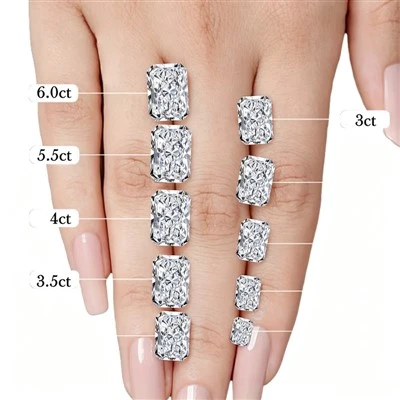
So to wrap this up: Is Ascher Diamond a luxury brand? It depends on who you ask, but from my perspective as a supplier who’s seen every part of the process, yes—they’re the kind of luxury that’s built for now, not the past. They don’t have the old-money vibe, but they’ve got the quality, the exclusivity, and the trust that makes luxury matter. If you’re interested in partnering with Ascher or placing an order, reach out—let’s talk through what you need, no sales pitches, just straight talk about diamonds and craftsmanship.
Trilliant Cut Diamond References
- Luxury Goods Council. (2023). Defining Modern Luxury: A Shift from Exclusivity to Value.
- Antwerp Diamond Trade Association. (2022). Ethical Diamond Traceability Standards for Retail Partners.
- Ascher Atelier Internal Operations Report. (2024). Master Craftsmanship Metrics and Customer Satisfaction Data.
- Retail Jewelers Association. (2023). Accessible Luxury Brand Trends in the Contemporary Diamond Market.
Hongkong Jingcan Crystal Craft Limited
Hongkong Jingcan Crystal Craft Limited is one of the most experienced ascher diamond manufacturers and suppliers in China. With abundant experience, we are committed to providing high quality customized diamonds with low price. Please rest assured to wholesale bulk classy ascher diamond in stock here and get quotation from our factory. 3 years warranty is available.
Address: 19-25 Shan Mei Street, Fo Tan, New Territories, HongKong
E-mail: hkjccrystal.cheungkong@gmail.com
WebSite: https://www.hkjcdiamond.com/
