If you’ve ever grabbed a bag of dried fruit for a midday snack or picked up a box of dried herbs from the grocery store, you’ve encountered the end product of a conveyor tunnel dryer—one of the most workhorses in the food processing industry. As a supplier of tunnel dryers, I spend a lot of time explaining this equipment to food processors who might be switching from outdated drying methods, or who need a more scalable, consistent solution for their products. I don’t sell shiny, overcomplicated machines; I sell tools that solve real, costly problems: uneven drying, high waste, and lost time when production can’t keep up with demand. Let’s break down what a conveyor tunnel dryer actually is, how it works, and why it’s a staple for so many food businesses. Tunnel Dryer
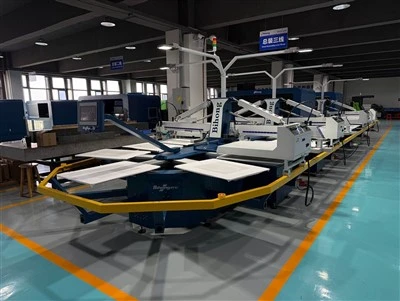
First, let’s start with the basics: drying food isn’t just about removing moisture. For most food products, the right moisture content isn’t just about shelf life—it’s about texture, flavor, and nutrition. Take herbs, for example. If you dry too fast, your basil leaves turn brown and lose their essential oils; dry too slow, you get mold or a bland, crumbly product that falls apart when packaged. The same goes for sliced fruit, pet food, even pasta or fermented products like salami. Conventional methods like air-drying on racks take days, require manual labor, and are subject to weather changes—if it rains mid-drying, your entire batch is ruined. Oven drying works for small batches, but scaling it up to feed a regional grocery chain means investing in equipment that can handle hundreds of pounds of product per hour, without the inconsistency that comes with manual processing. That’s where the conveyor tunnel dryer comes in.
Put simply, a conveyor tunnel dryer is a continuous-processing drying system that moves food on a perforated belt through a long, enclosed tunnel. Inside the tunnel, you control temperature, air flow, humidity, and residence time to adjust the drying process specifically for your product. Unlike batch dryers, which process a set amount of product at a time, a conveyor tunnel dryer runs 24/7 if needed, with no downtime between batches. That consistency is a game-changer for food producers.
Let me walk you through how it works step by step, because there’s a lot more to it than just putting a belt in a heated box. First, the feeding section: this is where your prepared product (sliced, washed, trimmed, whatever you need) is evenly spread across the perforated conveyor belt. Even spreading is critical—if you pile too much product in one spot, air can’t circulate properly, and that spot will dry slower or not at all. Modern dryers have auto-leveling feeders that do this automatically, so you don’t have to have a team of workers standing around spreading product uniformly.
Next, the product moves into the drying zone, which is split into multiple temperature and humidity stages. Most people don’t realize that drying isn’t a single step. For example, when you’re drying fresh cranberries, the first stage uses lower, more humid air to gently warm the fruit without shocking it—this prevents the skin from cracking and releasing too much juice too fast. Then, the middle stage raises the temperature slightly to pull out the majority of the moisture, and the final stage uses cooler, drier air to bring the moisture down to the exact safe level (usually between 10 and 15 percent for most dried fruits, depending on the product). The tunnel’s length and speed of the conveyor belt are calibrated so that your product exits exactly when it’s done. This is way more precise than any other drying method I’ve worked with.
One of the biggest advantages of a conveyor tunnel dryer, for both small and large producers, is customization. I’ve worked with everything from craft bakers making dried sourdough croutons to large-scale vegetable processors making frozen dried spinach, and each needs a different setup. For delicate products like fresh ginger slices, we use a belt with smaller perforations to keep small pieces from falling through, and adjust the air flow to be gentler than what we use for dense, thick carrot slices. For heat-sensitive products like freeze-dried coffee crystals, we can run the tunnel under vacuum to lower the boiling point of water, so we can dry at much lower temperatures without burning or degrading the caffeine and flavor. That’s a level of control you just can’t get with a regular oven or a static air-dry rack.
I should also address a common misconception: some people think conveyor tunnel dryers are too big or too expensive for small food businesses. That’s not true. We build units that are just 10 feet long, perfect for a small herb farm or a craft juice company making dried fruit snacks, and larger units that can process 10,000 pounds of product an hour for global food brands. The key is matching the dryer’s capacity to your production needs, not buying more than you need. Many small producers start with a smaller tunnel dryer, then expand as their product catches on—no need to invest in a whole new system when demand grows.
Let’s talk about why this matters for food safety, too. The FDA and other global food regulators have strict rules about moisture content and pathogen reduction in dried foods. If you’re using an open-air drying method, you’re exposed to contaminants from dust, insects, or bacteria in the air. A conveyor tunnel dryer is enclosed, so you can control the air inside—many of our units have HEPA filters that trap contaminants, and the drying temperatures are calibrated to kill harmful bacteria like E. coli and Salmonella, without ruining the product. That’s a huge selling point for producers who want to avoid recalls and keep their products compliant with food safety standards.
I’ve seen so many producers switch to conveyor tunnel dryers and cut their waste in half. Let’s take a example: a customer of mine who made dried apple chips was using a conventional oven, and about 20 percent of each batch was either too dry (crumbly, unmarketable) or too moist (moldy, thrown out). They switched to a 20-foot conveyor tunnel dryer, customized for their apple slices, and their waste dropped to 3 percent. That’s a massive savings—they didn’t have to throw out $15,000 worth of product a month, and they could expand their order without worrying about missing deadlines. The consistency also meant their customer (a major snack retailer) signed a two-year contract, because every bag of their apple chips was the same size, color, and texture.
Of course, conveyor tunnel dryers aren’t one-size-fits-all. There are different types, depending on what you’re drying. For example, if you’re drying liquid products like fruit puree or yogurt, you might use a belt that’s coated to keep liquids from seeping through, or even a spray conveyor dryer that sprays the liquid onto the belt as a thin layer. For pet food, which often needs to be crunchy and uniform, we use a tunnel with multiple drying stages to make sure the center of the pellet is dry but not hard. The best part about being a tunnel dryer supplier is that I don’t push a generic model—I work with each customer to understand their product, their production line, and their goals, then build or customize a dryer that fits exactly what they need.
A lot of new producers ask me if they need to hire a specialized team to operate a conveyor tunnel dryer. The answer is no—modern units are designed to be user-friendly, with touchscreen controls that let you adjust temperature, speed, and air flow in minutes. We also provide on-site training, and 24/7 support, so if there’s a small issue, a technician can walk you through it over the phone. For small producers who don’t have a lot of extra staff, this is a huge relief—you don’t need an engineering degree to run the dryer, just basic knowledge of your product’s drying requirements.
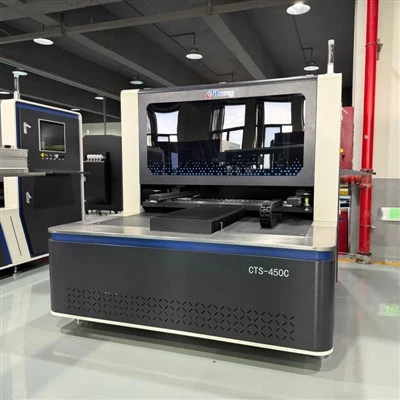
Let’s wrap this up. A conveyor tunnel dryer isn’t just a machine—it’s a tool that lets food producers make consistent, safe, high-quality products at a scale that fits their business. Whether you’re a small farm selling dried herbs at a farmers market or a large company shipping dried fruit across the country, this equipment solves the biggest pain points of food drying: inconsistency, waste, food safety risks, and slow production. If you’re currently dealing with high batch waste, inconsistent product quality, or production delays that are costing you money, it might be time to make the switch to a conveyor tunnel dryer. To learn how we can customize a dryer for your specific product and production needs, reach out to our team to connect and discuss your requirements in detail.
Embroidery Digital Printer References:
- Food and Agriculture Organization (FAO). (2020). Drying of Food Products: Principles and Applications. United Nations.
- Toledo, R. T. (2016). Fundamentals of Food Process Engineering. Springer.
- National Food Processors Association. (2019). Best Practices for Dried Food Production and Food Safety. NFPA.
- Strumillo, C., & Kudra, T. (2018). Drying: Principles, Applications and Design. CRC Press.
- FDA. (2021). Food Safety Guidelines for Low-Moisture Foods. U.S. Food and Drug Administration.
Guangdong Aces Machinery Co., Ltd.
Guangdong Aces Machinery Co., Ltd. is one of the most professional tunnel dryer manufacturers and suppliers in China. We are committed to providing high quality equipment made in China with low price. If you’re going to buy durable tunnel dryer, welcome to get pricelist from our factory. Customized orders are welcome.
Address: 701, Building 5, Liandong U Valley, No.8 Zhixin 1st Road, Dagang Town, Nansha District, Guangzhou City, Guangdong Province, China.
E-mail: jessie@bhprinter.com
WebSite: https://www.bihongprinter.com/
