If you’ve ever stood on the deck of a fishing trawler, a leisure sailboat, or a commercial cargo vessel, you’ve likely heard a burst of static cut by a sharp, standardized call: “Marine Radio, Marine Radio, this is [vessel name].” For anyone new to the maritime space, the stacks of channel numbers on a VHF marine radio can feel like a confusing jumble of frequencies reserved for endless chatter. But one channel stands out not just for its ubiquity, but for its singular, critical role in keeping vessels safe and coordinated: channel 22. As a marine radio supplier with over a decade of outfitting boats from small coastal fishing skiffs to transoceanic cargo ships, I’ve fielded hundreds of questions from boat owners, captains, and even first-time charter guests asking exactly what makes channel 22 so important—beyond just another number on the radio dial. Marine Radio

Let’s start with the basics, because understanding marine VHF radio channels first requires a quick primer on how they’re regulated and used. The International Telecommunication Union (ITU), the global body that oversees radio spectrum, assigns VHF marine frequencies specifically for maritime use, split into 88 channels total for international waters, plus additional regional channels for specific countries. Each channel has a designated purpose to avoid interference: some are for ship-to-ship communication, some for port operations, and a select few for distress and safety. Channel 22, formally designated as VHF channel 22A, is part of this safety-focused subset, but it’s not just an emergency channel like channel 16—though many new mariners mix that up.
First, let’s clear up the common misconception: channel 16 is the global distress and calling channel, reserved exclusively for emergency alerts, mayday calls, and initial contact between vessels. If a boat is taking on water, has a medical emergency, or is adrift, channel 16 is the go-to. But channel 22 is different. It’s designated as the international maritime working channel, or more specifically, the public correspondence channel for non-emergency, coordinated communication that’s too formal or high-stakes for casual ship-to-ship chat. For commercial vessels, recreational boaters, and port authorities, this channel is the backbone of day-to-day operations that don’t rise to the level of a mayday or pan-pan (the urgency signal used for non-life-threatening emergencies like a disabled engine).
I learned the practical value of channel 22 early in my career, when I was outfitting a fleet of small commercial fishing boats along the Pacific Northwest coast. One of our skippers, a seasoned fisherman named Tom, came to me frustrated because his crew was missing critical communications about fishing spot closures, weather alerts from the coast guard, and coordination with the local fish processing plant. “I’m bouncing between ten different channels just to know where to drop my nets and when to come in to unload,” he told me. We adjusted his radio’s default “listen” channel to 22, and within a week, he reported that he was no longer missing updates: the Coast Guard would post localized small craft advisories there, the fish plant would announce load schedules, and other fishermen would relay real-time info about broken gear on their neighbors’ boats that would have cost Tom hours of downtime. That’s the core use case for channel 22: it’s the dedicated, single channel for non-emergency, shared maritime communications that need to be heard across a wide area without cluttering up specialized ship-to-ship channels.
For recreational boaters, too, channel 22 serves a purpose that’s easy to overlook until you need it. A lot of new sailors stick to channel 16 for everything, which clogs up the emergency channel with casual chats like “Hey, nice sail on your sloop!” and can make it harder for vessels in distress to get through. Channel 22 fixes that. It’s the default working channel for most U.S. coastal regions, and for international recreational boaters, it’s the standard channel to use for checking in with port authorities, arranging fuel stops, or coordinating with nearby charter services. Last summer, I helped a group of first-time charter boat owners who’d gotten lost near the Georgia Strait; they’d been talking to other boats on channel 17 (a ship-to-ship channel for casual chat) but couldn’t get a response from the local Coast Guard auxiliary, until someone told them to switch to channel 22. Within five minutes, they’d been redirected to a safe anchorage and given a weather update—something they never would have gotten on their go-to channel.
But channel 22’s role isn’t just limited to ship-to-ship or boat-to-shore chat. It’s also the designated channel for the Global Maritime Distress and Safety System (GMDSS)’s non-emergency safety communications, which means it carries standardized alerts that are broadcast across the region. For commercial vessels, GMDSS requires that they monitor channel 22 at all times when in coastal waters, not just channel 16, because many critical safety updates—like temporary buoy outages, debris fields, or heavy vessel traffic alerts—are only broadcast there. I’ve seen that play out for cargo ships too: a container vessel out of Seattle once missed a critical update about a large fishing fleet operating in a busy shipping lane because their radio was only tuned to channel 16, and they nearly collided with a skiff that had been relaying the fleet’s position on channel 22. That’s a mistake we train our customers to avoid: always monitor channel 22 when in coastal waters, even if you don’t think you need it.
Another key point: channel 22 is different from other “working” channels because it’s standardized internationally, not just regional. Channels like 67 or 71 are for U.S.-specific fishing operations, but channel 22 is recognized in Europe, Asia, and the Caribbean, which makes it a go-to for vessels crossing international waters. A friend of mine who runs a small passenger ferry between Miami and the Bahamas told me that when he’s making the 90-minute crossing, he uses channel 22 to check in with the Bahamas Port Authority, confirm that the entry channel is clear, and relay passenger arrival times—something that works seamlessly whether he’s speaking to a U.S. Coast Guard officer or a Bahamian port agent. That standardization is why the ITU and maritime authorities worldwide stuck with channel 22 as the universal working channel: it eliminates confusion when vessels cross borders, so no one has to guess which channel to use for non-emergency coordination.
Now, let’s clear up a common mix-up with another channel: channel 22B, which is a regional channel used only for certain U.S. inland waterways, like the Great Lakes. Channel 22A, the one we’re talking about, is the international VHF working channel for all coastal and offshore waters outside of inland lakes. I’ve had customers ask me why their inland waterway radio doesn’t pick up channel 22, and that’s the reason: it’s only assigned to coastal maritime use, so if you’re boating on the Mississippi River, you’d use a different working channel, but if you’re 10 miles off the coast of Oregon, channel 22 is your primary working channel.
For marine radio suppliers, one of the most important things we do is educate our customers on how to use channel 22 correctly, because misuse of the channel can disrupt critical communications. I’ve seen boat owners use channel 22 for personal calls, which clogs up the channel and can prevent a vessel in distress from getting an update. The ITU’s regulations for maritime radio strictly limit channel 22 to safety-related communications, commercial coordination, and shared public updates, so casual ship-to-ship chat should stay on channels like 17 or 68, which are designated for that. That’s why when we install marine radios for our customers, we include a cheat sheet with channel purposes, and we recommend setting channel 22 as the “secondary monitor” channel on their radio, so it’s always active even when they’re talking on another channel.
Another practical use for channel 22 is during large-scale maritime events, like the annual Sail Boston regatta, or the fishing derbies that draw hundreds of boats to the Gulf of Mexico. During those events, the Coast Guard and event organizers use channel 22 to broadcast traffic updates, launch safety drills, and coordinate rescue teams, because it’s a single channel that all participating vessels are required to monitor. I remember outfitting a group of boats for a 2023 regatta off the coast of Maine, and the race organizers told us that without channel 22, they would have had to use five different channels to communicate with all the boats, leading to missed updates and confusion. Instead, everyone tuned to 22, and the event ran smoothly, with only minor issues that were resolved quickly.
For anyone who’s still wondering why channel 22 matters more than other working channels, it comes down to reliability. Channel 16 is reserved for emergencies, so if you need to talk to another vessel or shore for a critical non-emergency update, you don’t want to tie up channel 16 with a 10-minute chat about fuel prices or anchorage conditions. Channel 22 is dedicated to that, so it’s always clear, and all maritime radio systems are designed to pick up its broadcasts consistently, even in areas where signal strength can vary. As someone who’s tested marine radios in rough coastal waters, that consistency is a huge deal: a channel that cuts in and out can be dangerous, but channel 22’s standardized frequency ensures that communications get through when they count.
If you’re a new boat owner, a skipper looking to update your radio equipment, or a commercial operator needing to ensure your vessel is compliant with international maritime regulations, understanding the role of channel 22 is a critical part of safe and efficient operation. Whether you’re fishing off the coast, traveling to a foreign port, or just checking in with the local Coast Guard, channel 22 is the unsung backbone of maritime communications, designed to keep your vessel connected and safe.
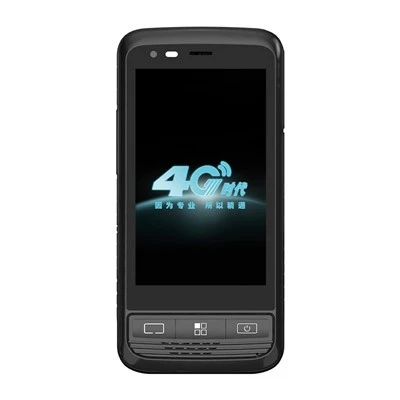
If you’re in the market for a new marine radio, looking to upgrade your existing equipment, or have questions about how to optimize your radio setup for your vessel’s needs, our team is here to help. We work with recreational boaters, commercial fishing fleets, cargo operators, and charter services across all coastal regions, and we can help you choose the right radio, program your channels for optimal performance, and train your crew on best practices for maritime communication. Don’t navigate the waters alone—reach out to our team today to discuss your marine radio needs.
Marine Radio References
- International Telecommunication Union (ITU). "Maritime Mobile Service Spectrum Allocations." ITU Radio Regulations, 2020.
- U.S. Coast Guard. "Marine Radio Channel Usage Guidelines." U.S. Department of Homeland Security, 2022.
- International Maritime Organization (IMO). "VHF Radio Communication Procedures for GMDSS." IMO Maritime Safety Committee Circular, 2021.
- National Oceanic and Atmospheric Administration (NOAA). "Coastal Marine Communication Best Practices for Recreational Boaters." NOAA Office of Marine and Aviation Operations, 2023.
Jingtong (Quanzhou) Electronics Co., Ltd.
We are one of the most professional marine radio manufacturers and suppliers in China, specialized in providing high quality customized service. We warmly welcome you to buy durable marine radio made in China here from our factory. For price consultation, contact us.
Address: No.288, Si Huang Industry Zone, Xia Mei Town, Nan An, Quanzhou, Fujian province, China 362302
E-mail: jtdjj@jtdjj.com
WebSite: https://www.jteradio.com/
