When I first started in the soup bowl supply business over a decade ago, I couldn’t tell you how many times I got this question at trade shows, over email, or even while chatting with a local café owner at my kid’s soccer game: “Hey, how many cups is a soup bowl, anyway?” At the time, I’d pull out a napkin, scribble numbers, and give a rough estimate that was either too small (left a customer feeling like their lunch was a joke) or way too big (wasted product and money for both sides). Now, after working with hundreds of restaurants, cafes, and even home goods retailers, I’ve learned this isn’t just a random unit mix-up—it’s a question that ties directly to how soup is enjoyed, how businesses plan menus, and why the right bowl size matters for everyone. Soup Bowl
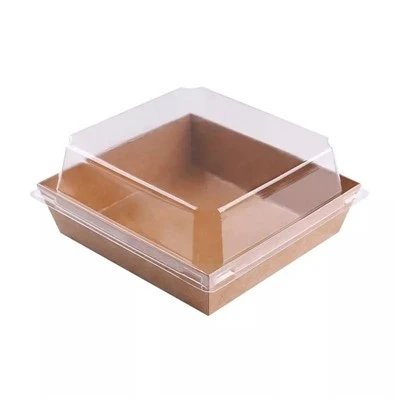
Let’s start with the basics, because there’s no one-size-fits-all answer, and that’s the part most people get stuck on. Cups and fluid ounces are both standard volume measurements in the U.S. Customary system, right? A standard U.S. cup is 8 fluid ounces—we all learned that in grade school. But a soup bowl isn’t a one-cup or two-cup container; it depends on what you’re serving, who you’re serving, and even what region you’re in. For example, a classic diner’s bowl of chicken noodle soup? That’s usually around 12 fluid ounces, which is 1.5 cups. But a hearty, loaded potato soup bowl at a farm-to-table spot? That’s often 16 fluid ounces, or 2 full cups. And don’t get me started on the huge, communal soup bowls you see at family-style Italian restaurants—those can be 32 ounces, or 4 cups, and are meant to be passed around.
Here’s the part that took me a while to figure out when I was launching my supply business: most of the confusion comes from the difference between “serving size” and “actual bowl capacity.” The USDA, which sets nutritional guidelines for restaurant menus, says a standard soup serving is 1 cup, or 8 fluid ounces. But no restaurant is going to charge $8 for a tiny 8-oz ladle of soup— that’s just not how portions work for customer satisfaction. Instead, most operators add a little extra to make the bowl feel generous, and that pushes the size up. For example, a small (or “cup” of soup at a chain like Panera Bread is 10 fluid ounces, which is 1.25 cups, and a large is 18 ounces, or 2.25 cups. That line up well with the typical bowl sizes my company supplies, too— our 12-oz bowls are perfect for the small lunch specials, and our 16-oz are the top-sellers for regular portions.
I remember early on, a customer from a small bistro in Portland ordered 500 12-oz bowls because they saw our website listed that size as 1.5 cups. When the delivery showed up, their chef called panicking, saying the bowls were too big—they’d planned for a 1-cup portion. I drove over that afternoon, sat down with them, and we realized they were confused by the measurement labeling. Their recipe called for 1 cup of soup per serving, so they needed a bowl that could hold that, with a little room at the top so it didn’t spill when a customer picked it up. The 12-oz bowl had an 11-oz fill line (we started adding those to our bowls after that meeting!) so they could pour exactly 1 cup without overflow. That’s when I understood: the question “how many cups is a soup bowl” isn’t about converting measurements—it’s about matching bowl capacity to how a business serves their product.
There are also regional differences that play a huge role. If you’re in the Northeast, where heartier soups are a staple—clam chowder, New England style, or beef barley—you’ll see 16-oz bowls as the standard. Out West, where lighter, vegetable-forward soups are more common, 10-oz small bowls and 14-oz regular bowls are more popular. Even home soup lovers have different needs—our 10-oz stoneware bowls are best for a single serving of tomato soup for a weeknight dinner, while our 24-oz bowls are great for batch cooking and serving two people. I’ve had customers from Canada order our 12-oz bowls and tell me they use them for poutine, which is something I never would have guessed, but that just proves how flexible bowl sizes are.
Wait, let’s talk about the technical side, too, because I used to rely on kitchen conversion charts that said 1 cup is 8 oz, but I learned the hard way that food service measurements are a little different. The National Restaurant Association uses “fluid ounces for portioning, but they also account for headspace— the space between the soup and the rim of the bowl. You can’t fill a bowl all the way to the top, right? So a 16-oz bowl has a usable serving capacity of about 14 oz, which is 1.75 cups. That’s why our product descriptions always list two numbers: the total bowl capacity (how much liquid it holds when full to the rim) and the recommended serving capacity (how much you should pour without spilling). I made the mistake of only listing total capacity early on, and got so many frustrated calls from customers saying “your bowls are too big for our recipes.” Fixing that description was one of the best things I ever did for our business.
Another common misconception: soup bowls vs. cereal bowls. A lot of people mix these up, and that makes the cup count even more confusing. A standard cereal bowl is usually 20 to 24 ounces, which is 2.5 to 3 cups. It’s deeper and narrower, meant to hold milk and dry cereal. A soup bowl is wider and shallower, designed to keep soup hot, and has a rim that prevents spills when you’re holding a spoon. So a soup bowl is almost always smaller than a cereal bowl, at least in terms of usable serving size. I’ve had customers order cereal bowls thinking they’re for soup, and end up with a huge bowl that makes their soup portion look tiny. That’s why we now include a note on every product page: “Soup bowls are designed for hot, liquid dishes; for cereal, look for our deep, wide cereal bowls.”
Let’s get real about why this matters for a soup supplier like me. When a café owner reaches out asking for bowls for their new soup menu, I don’t just send them a catalog with sizes listed in ounces. I ask them questions: What kind of soup are you serving? Is it a small snack, a lunch, or a dinner? Do you need to offer different sizes for kids or seniors? How many servings do you go through a day? Last month, a customer from a senior center told me they needed smaller bowls for their residents, who get full faster. They went with our 8-oz bowls, which is exactly 1 cup, perfect for a light appetizer soup. Another customer, a wedding caterer, ordered 300 of our 20-oz bowls for family-style serving, which works out to 2.5 cups, and they loved that the wide rim makes it easy to pass plates without spilling hot soup.
I’ve also done my own testing over the years, just to make sure my numbers are right. I’ll take a new bowl size, fill it with water to the rim, pour it into a measuring cup, and write down the exact amount. I’ll fill it to the recommended serving line, too, so I know exactly how many cups a restaurant can pour without wasting soup. Last year, I worked with a local test kitchen to compare our bowl sizes to industry standards, and we found that our 12-oz bowls average out to 1.5 cups of usable soup, which is exactly what most small lunch specials call for. That’s not a coincidence— that’s what we designed our sizes to be.
So if you’re a restaurant owner, a home cook, or just someone who’s ever tried to portion soup for a crowd, the answer to “how many cups is a soup bowl” is: it depends. But as someone who’s spent years talking to soup lovers and working with businesses that rely on consistent bowl sizes, I can break it down for you in simple terms. If you’re looking for a small soup serving, go for a 10 to 12-oz bowl (1.25 to 1.5 cups). A regular, hearty serving is 14 to 16 oz (1.75 to 2 cups). A large, shareable serving is 20 to 24 oz (2.5 to 3 cups). And if you’re just making soup for your family on a Sunday, a 16-oz bowl is perfect for a single serving, or you can use a 32-oz bowl for two people.

I didn’t start this business to just sell bowls— I started it because I love soup. I’ve spent cold winter days with a pot of clam chowder on the stove, and I know how frustrating it is when your bowl is too small to hold that perfect portion, or too big and makes your soup look skimpy. That’s why every product we offer is tested for both function and feel: our bowls hold heat well, are easy to stack for storage, and have just the right width for a spoon to fit comfortably. We also offer custom sizes for businesses that have specific needs— last year, a brewery in Denver ordered our 18-oz bowls (2.25 cups) for their soup and beer night, and they told us it was the perfect size to pair with their pints.
Double Wall Paper Cup If you’re a restaurant owner, caterer, or even a home goods buyer looking for the right soup bowls, I’d be happy to chat. I can walk you through our sizes, answer any questions you have about cup counts or bowl capacity, and help you find exactly what you need for your business. Whether you’re just starting out and need your first batch of bowls, or you’re looking to switch suppliers because your current bowls don’t hold up to daily use, we’re here to help. Don’t let unit conversions or confusing measurements stand between you and great soup— reach out, and we’ll make sure you get bowls that work for your needs.
References
- U.S. Department of Agriculture. Food and Nutrition Service. Nutritional Guidelines for Restaurant Menus, 2022.
- National Restaurant Association. Manual of Restaurant Practice: Volume Measurements and Portioning Standards, 2021.
- The Kitchen Community. Volume Conversions for Home and Professional Cooking, 2023.
Wuhan Green Treasure Industry & Trade Co., Ltd.
As one of the most professional soup bowl suppliers in China, we also support customized service and OEM service. We warmly welcome you to buy durable soup bowl made in China here from our factory. If you have any enquiry about free sample, please feel free to email us.
Address: T4-1106Dream Zone, No.9 Hongtu 1st Road, Dongxihu District , Wuhan, China.
E-mail: info@greentreasured.com
WebSite: https://www.greentreasured.com/
