Hey there, guys, Sarah here from your go-to cold rolled stainless steel coil supplier. Today, I’m tackling a question that pops up in our DMs almost every week: Can cold rolled stainless steel coil actually hold up in chemical processing? Let’s cut the fancy tech jargon and get real—because I’ve seen too many small shops get burned by grabbing the wrong material for their jobs, and I want to make sure that doesn’t happen to you. Cold Rolled Stainless Steel Coil
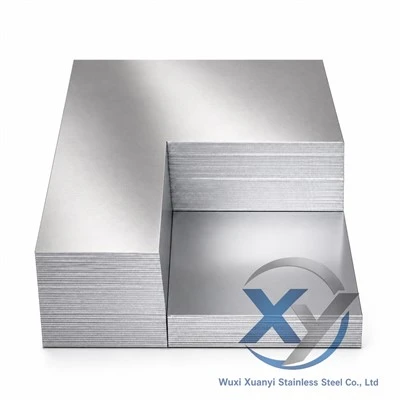
First, let’s break down what cold rolled stainless steel (CRSS) even is, since some folks mix it up with hot rolled. Hot rolled is like taking a big steel slab, heating it up super hot (way over 1700°F), and rolling it into shape—great for structural stuff like bridges or big tanks, but it ends up with a rough, scaly surface. Cold rolled? That’s the same steel, but rolled at room temperature, right after it’s been hot rolled into a “hot band.” This process makes it way smoother, tighter, and stronger—no more scale, and the finish is way more consistent. That’s a huge win for chemical processing, where even tiny surface imperfections can turn into weak spots or places chemicals can seep in.
Now, the big question: does that cold rolled finish stand up to chemicals? Let’s talk about the stars of the stainless steel show here—grades like 304 and 316, which are the workhorses for chemical plants. 304 is the basic stuff, has chromium (that’s the rust-proofing part) and some nickel, and it does pretty well with mild chemicals like dilute acids, salt solutions, and even most cleaning agents. But 316 is the upgrade—they added molybdenum, which is the magic shield against chloride ions. That’s a game-changer because chlorides (like in salt water or some industrial cleaners) can eat away at regular steel, and even 304 stainless can get pitted if there’s too much chloride.
Wait, let’s get specific about chemical processing uses, because that’s where CRSS shines. If you’re making pipes for transferring mild acids (like vinegar-based cleaning solutions or dilute sulfuric acid at low temps), CRSS 304 is totally fine. If you’re handling something harsher—like pharmaceutical ingredients that use high chloride washes, or food processing equipment that touches brine—CRSS 316 is non-negotiable. And here’s a secret: the cold rolling process actually strengthens the steel, so it can handle the pressure of being rolled into thin sheets for heat exchangers or thin-walled pipes, without warping or cracking. That’s way better than hot rolled, which might bend or have inconsistent thickness that leads to leaks in high-pressure chemical systems.
But hold up—this isn’t a one-size-fits-all. I’ve had a customer come to me last year wanting CRSS for handling concentrated nitric acid, and I had to tell them to go with a different grade, like 310 stainless, because 304 and 316 can’t stand up to that stuff. Also, surface finish matters too. Cold rolled comes in different finishes—like 2B, which is the standard smooth, or No.4, which is brushed. For chemical processing, 2B is often preferred because it’s less porous, so chemicals don’t get trapped in tiny scratches or rough spots. No.4 is good if you need more grip for parts that are handled often, but just make sure you’re not using a scratched-up surface where gunk can build up.
Another thing people don’t think about: fabrication. Chemical processing equipment needs to be welded, right? Cold rolled stainless steel welds pretty well, but you have to be careful with heat input. If you weld too hot, you might mess up the chromium content in the heat-affected zone, which can make that spot more prone to corrosion. But with modern welding techniques (like TIG welding with argon shielding) and using filler metal that matches your CRSS grade, that’s totally fixable. We even send little tips to all our customers—no charge—about how to prep and weld their CRSS so it lasts longer in chemical environments.
Let’s talk real-world examples. We’ve got a client in Texas that makes parts for oil and gas refineries—those places deal with all kinds of harsh chemicals, like hydrogen sulfide and brine. They switched from hot rolled stainless to CRSS 316 a couple years back, and they said their leak rates dropped by 60%. Why? Because the cold rolled surface was smoother, so they could weld tighter, and the molybdenum in 316 stood up to the chlorides in the refinery water. Another client is a small biotech lab that uses CRSS 304 for their storage tanks for buffer solutions—mild stuff, but they needed a clean, non-reactive surface. Cold rolled is way easier to sterilize than rough hot rolled, so it fits their needs perfectly.
But wait, there are limits. If you’re dealing with really aggressive chemicals, like concentrated hydrofluoric acid, CRSS isn’t your guy—you’d need something like Hastelloy or titanium, which is more expensive but way more resistant. Also, if your process has high temperatures (like over 1000°F) with chemicals, cold rolled can lose some of its strength, so hot rolled might be better there. But for 90% of common chemical processing jobs (pipes, tanks, heat exchangers, equipment parts), CRSS is more than capable.
Now, why should you choose cold rolled over other materials? Let’s compare: carbon steel is cheap, but it rusts like crazy in chemicals—you’d have to coat it, and the coating chips off, leading to corrosion. Aluminum is light, but it can react with certain acids, leading to contamination of your chemicals (that’s a big no-no for food or pharma). CRSS is corrosion-resistant, easy to clean, durable, and the consistent finish means less waste during fabrication. Plus, as a supplier, we can cut CRSS to your exact size—no more messing with uneven hot rolled sheets and wasting material.
I get it, some guys are worried about cost. Cold rolled is a little more expensive than hot rolled, but when you factor in less downtime from leaks, fewer replacements, and easier cleaning, it’s a no-brainer. We’ve had customers tell us that the cost difference was made up in 6 months because they didn’t have to fix corroded parts every month.
Here’s a quick pro tip from our team: before you buy, tell your supplier what specific chemicals you’re handling, the temperature range, and if there’s any pressure involved. We can help you pick the right grade (304 vs 316 vs others) and even the right surface finish. A lot of suppliers just sell you the cheapest stuff, but we’re here to make sure you get what works for your job.
Wait, let’s address a common myth: some people think cold rolled stainless is more prone to corrosion because it’s “work-hardened.” No—work-hardening is just a result of the rolling process, which makes it stronger, not weaker. The chromium layer that makes stainless steel rust-proof is still there, and it self-heals if it gets scratched, as long as it’s not exposed to extreme chemicals that break it down. That myth comes from confusing cold rolled with a lower-quality steel that has less chromium, which we never use at our shop.
So, to wrap this up: yes, cold rolled stainless steel coil absolutely can be used in chemical processing, as long as you pick the right grade for your specific chemicals and application. It’s smoother, stronger, more consistent, and easier to fabricate than hot rolled, which makes it perfect for most chemical industry needs. Just make sure you’re not using it for super aggressive chemicals that require more specialized alloys, and always work with a supplier who knows their stuff (hi, that’s us!).
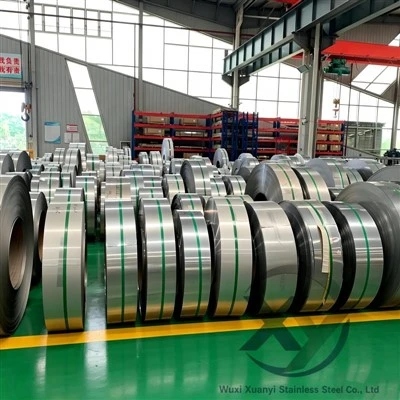
If you’re working on a chemical processing project and need to pick the right material, or you have questions about cold rolled stainless steel for your pipes, tanks, or equipment, reach out to our team. We’re here to answer your questions, help you spec the right product, and get you the coils you need, cut to size, fast. Don’t waste time or money on the wrong material—let’s chat and make sure your project runs smoothly from start to finish.
Bar References:
- ASM International. (2019). Stainless Steels for Chemical Processing Equipment. Materials Park, OH: ASM International.
- Corrosion Doctors. (2022). Selecting Stainless Steel for Chemical Applications. Corrosion Doctors Publications.
- International Stainless Steel Forum. (2021). Cold Rolled Stainless Steel: Properties and Applications. Brussels: International Stainless Steel Forum.
Wuxi Xuanyi Stainless Steel Co., Ltd.
Wuxi Xuanyi Stainless Steel Co., Ltd. is one of the most professional cold rolled stainless steel coil manufacturers and suppliers in China. With abundant experience, we warmly welcome you to wholesale bulk durable cold rolled stainless steel coil made in China here from our factory. If you have any enquiry about cooperation, please feel free to email us.
Address: Room 1207, Building 11, Shengang Metropolis Plaza, No. 299 Fangcheng Avenue, Xinwu District, Wuxi City,China.
E-mail: jscherryxy@163.com
WebSite: https://www.xuanyisteel.com/
