If you’ve ever stood in the sporting goods aisle scrolling through a dozen kids’ Jiu Jitsu gis or stared at a pile of unopened boxes in my supply warehouse (the ones I stack next to the fabric scraps leftover from custom adult orders), you know choosing a gi for a kids’ tournament isn’t just about picking a cool color. I’ve been in the gi game for 12 years—supplying gis to academies across the Southeast, helping parents haul boxes to their kid’s first tournament, and even talking a 10-year-old out of a neon pink gi he swore would make him “unbeatable” at his first kids’ No-Gi event. That story aside, choosing a kid’s tournament gi is a mix of practicality, safety, and making sure the kid actually wants to wear it—because if they hate their gi, they’ll cut corners mid-tournament, and no one wants that. Let’s break down exactly what to look for, no fancy jargon, just what I’ve learned from watching hundreds of kids step onto the mat. Jiu Jitsu Gis

First, let’s start with the basics that matter more than any graphic or logo: fabric and construction. A lot of parents see a cheap gi online and think it’s a steal for their 7-year-old who “might quit next month.” I get it—kid gear can get expensive fast. But tournament rules for Jiu Jitsu gis (IBJJF, USJJF, and most local leagues) are strict here, and that cheap gi from the overseas site? It’s probably not going to pass inspection, and your kid could get disqualified before they even step on the mat. For kids, we use two main gi fabrics: pearl weave and cotton ripstop. Wait, you’ve heard of pearl weave for adults, right? For kids, pearl weave is king. It’s lightweight, has a tight weave that doesn’t stretch out after three washes, and it’s durable enough to survive a kid dragging their gi across the mat multiple times in a weekend tournament. Ripstop gis are great for younger kids (4 and under, maybe) who are still learning to tie their belts and might yank at the fabric, but even then, pearl weave holds up better in matches. The key number here is the thread count. I recommend gis with a 450-550 GSM (grams per square meter) top. GSM is that magic number that tells you how heavy the gi is—too low, like 350 GSM, and it’s so flimsy it’ll tear when their opponent grabs a fistful for a sweep. Too high, like 700 GSM, and it’s like dragging a blanket around the mat; kids get overheated fast, and tournament days are long. A 5-year-old might do better with 450 GSM, a 12-year-old can handle 500 GSM, and that sweet spot 500-550 is perfect for tournament readiness. The pants are another piece that people sleep on—most tournament gis have cotton pants, not synthetic, because synthetic pants get slippery when they sweat, and your kid won’t be able to get a good grip or hold a stance. I always tell parents: check the stitching on the gi, especially the shoulder seams and belt loops. Tournament matches involve a lot of pulling, and if the stitching is loose or thin, the belt loop will rip, the sleeve will pull away, and suddenly your kid is scrambling to fix their gi mid-round. I’ve seen that exact scenario at least a dozen times, and it’s never fun.
Next up, size. This is where most parents go wrong. I get it—you buy a size up so your kid can grow into it, right? But for tournament gis, that’s a mistake. A gi that’s too big is a safety hazard and a tournament headache. IBJJF rules state that the gi can’t be longer than the kid’s arm when their arms are straight down at their sides, and the waist can’t hang more than two inches below the kid’s hip bones. If the gi is too long, their opponent can grab the excess fabric and pull them off balance, or even step on the hem and trip them. I’ve had a parent come to me last year panicking because their 10-year-old’s gi (bought a size up) was three inches too long, and we had to rush them to our back room to take in the sleeves before the first match. It’s fixable, but that’s stress no parent needs before their kid competes. How do you size a kid’s gi correctly? Most brands have size charts specific to kids, not the generic adult charts. Measure their height (barefoot), their chest circumference, and the length from their shoulder to their wrist. For example, a size M0 is for a kid around 3’5” to 3’9”, size M1 is 3’10” to 4’2”, and so on. If your kid is between sizes, go for the smaller one that fits correctly, not the larger one they’ll grow into—kids grow fast, but a tournament gi should fit perfectly on match day, not six months later. Also, check the shrinkage factor. A lot of gis shrink 5-10% after the first wash, so if your kid is right on the line, add 5% when you’re ordering. I always put a small note on every gi I ship: wash in cold water, hang dry, don’t use a dryer, to keep shrinkage to a minimum. That’s a tip I learned the hard way when my own son’s first gi shrunk so much it was tight enough to cut off his circulation—never again.
Then there’s the all-important tournament rule check. This is non-negotiable, and I can’t stress this enough: every tournament has specific gi rules, and if your gi doesn’t meet them, you’re done before you start. The main governing body for most kids’ Jiu Jitsu tournaments is the IBJJF, and their rules say the gi has to be solid colored, with no logos larger than 5cm (about 2 inches) anywhere on the top or pants. No offensive graphics, no text, no extra patches unless they’re official academy patches—even a tiny cartoon character on the sleeve can get your gi flagged at check-in. Local tournaments might have slightly looser rules, but it’s always better to stick to IBJJF standards, because even a local league will reference IBJJF rules for consistency. Another big one: the belt. Kids’ tournament belts are usually white, blue, or purple, depending on their rank, and they have to be long enough to wrap around the waist twice and tie in a square knot—no extra fabric hanging down more than 30cm (12 inches) from the knot. I always supply extra belts with every gi when I’m shipping to academies, because nothing kills a kid’s confidence like their belt being too short on match day. Also, make sure the gi’s color is consistent—no faded tops with bright pants, or vice versa. Some tournaments require top and pants to match, so pick a solid color that stays true through multiple washes. My most popular tournament gi is the navy blue 500 GSM pearl weave—hardly ever gets flagged, durable enough for a whole tournament weekend, and the navy doesn’t show dirt as much as white, which is a huge win for parents who don’t want to rewash the gi every night of a tournament.
Now, the part that makes a kid actually excited to wear their gi: style. Let’s be real—if your kid thinks their gi is ugly, they’re not going to put in the effort to keep it clean, tie the belt right, or respect it. I see this all the time at tournaments: a kid with a boring plain white gi will come up to my table and ask to try on the navy one, while another kid will brag about their gi with their favorite soccer team logo (even though that logo would get flagged at check-in). So how do you balance style with tournament rules? A lot of gi brands make kid-specific gis with subtle designs that don’t violate IBJJF rules—small embroidery on the chest, a thin stripe along the pants, even a tiny graphic that’s under 5cm. Last year, we did a custom run of gis for a local academy with tiny palm trees on the sleeves, and those gis sold out in three days because the kids loved them, and they never got flagged. I always tell parents: let your kid pick the color, within reason. If they want pink, get pink—just make sure it’s solid, no graphics. If they want black, that’s fine too, but black might get hot in a gym with no AC, so for summer tournaments, navy or white is a better call. The key here is collaboration: ask your kid what color they like, explain why logos are a no-go for tournaments, and let them pick the subtle details that make the gi feel like theirs. It’s small, but it builds respect for their gear, which translates to respect for the sport.
Wait, what about extra features? There are a bunch of little things that make a tournament gi better for kids. Let’s start with the collar—some gis have a reinforced double layer collar, which is great because during matches, opponents will grab the collar, and a single layer will tear. I always recommend reinforced collars for tournament gis, because you don’t want your kid’s match to end early because the collar ripped. Pocket choices: most gis have one or two pockets. I say skip the pockets if possible—they add extra fabric that opponents can grab, and kids will stick their hands in them during matches, which is against most rules anyway. If you have to have pockets, make sure they’re small and sewn down so they don’t flap around. Another feature: pre-shrunk fabric. As I mentioned earlier, shrinkage is a big issue, so pre-shrunk gis take that guesswork out of the equation. All of our tournament gis are pre-shrunk, so you don’t have to worry about ordering a bigger size to compensate for washing.
Now, let’s walk through a real example, because that helps. Last year, a mom named Sarah came to me with her 8-year-old son, Jake, who had his first tournament coming up. She had bought a cheap online gi for M1 size, but it was way too big—Jake’s sleeves went past his wrists, the waist hung three inches below his hips, and the stitching on the shoulder seams was loose. We looked at our size chart, and Jake was right between M0 and M1. We pulled up our 500 GSM navy pearl weave, M0, pre-shrunk, with a reinforced collar, no logos. Sarah asked if it would fit, and I told her: wash it cold, hang dry, and it’ll fit Jake perfectly for the tournament, and he’ll have room for maybe a half-inch of growth before it shrinks a tiny bit. Jake tried it on, and even though he wanted the neon green one, he thought the navy was “cool enough” (win for us). We threw in a white IBJJF-compliant belt, and when they picked it up, Sarah said she’d been stressing about the gi, but now she felt totally prepared. At the tournament, Jake got third place, and his gi passed check-in without a hitch. That’s the stuff I live for—helping parents avoid the mistakes I made early on in the industry.
A few final do’s and don’ts to wrap this up, because sometimes a quick list is easier to remember. Do: check tournament rules before you buy, measure your kid correctly for size, pick a 450-550 GSM pearl weave, reinforce collar, let your kid pick the color (within rule limits), wash the gi correctly to avoid shrinkage. Don’t: buy a size up “so they can grow into it,” get a gi with big graphics or text, buy the cheapest gi you can find (it’ll tear or get disqualified), skip checking the stitching.
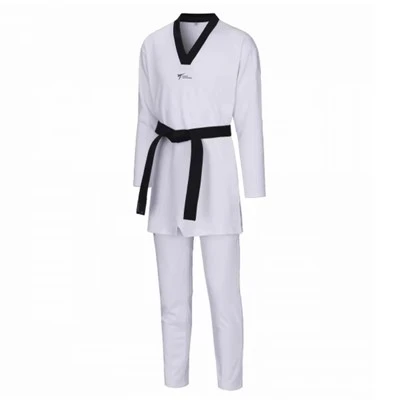
If you’re an academy owner needing bulk tournament gis, or a parent shopping for your kid’s next tournament, I’m here to help. I’ve worked with hundreds of parents and academies to find the perfect gi that’s compliant, durable, and something kids actually want to wear. Don’t hesitate to reach out to start a conversation about your needs, whether you’re ordering one gi for a local tournament or a bulk order for an entire team.
Karate Uniforms References:
- International Brazilian Jiu-Jitsu Federation. (2024). Rulebook for Gi Competitions.
- United States Brazilian Jiu-Jitsu Federation. (2023). Kids’ Tournament Gi Specifications.
- Sport and Fitness Industry Association. (2022). Youth Martial Arts Equipment Durability and Safety Standards.
Qingdao Chido Sports Products Co., Ltd.
As one of the most experienced jiu jitsu gis manufacturers in China, we’re featured by quality products and good price. We warmly welcome you to wholesale bulk cheap jiu jitsu gis made in China here from our factory. Contact us for custom service and free sample.
Address: 360 Minxin Street, Qingdao, Shandong, China
E-mail: info@636med.com
WebSite: https://www.chidosports.com/
