If you’ve ever stood in the control room of a petrochemical plant at 2 a.m., watching rows of pressure gauges glow under low-level LED lighting as crews adjust flow rates to keep a cracking unit online, you’ve likely relied on a piece of equipment that most people outside the chemical industry never think about: the Air Separation Unit (ASU). As a supplier of these systems, I don’t get to tell the most glamorous stories in our field—we don’t make plastic toys or life-saving drugs directly, but we make the things that make those things possible. Over the 18 years I’ve spent working in ASU design, sales, and support, I’ve watched the role of ASUs in the chemical industry evolve from a side utility to a core, non-negotiable component of nearly every major chemical production process. Today, I want to walk through what that role looks like, why it matters, and what makes a well-built ASU more than just a piece of metal and piping. Air Separation Unit
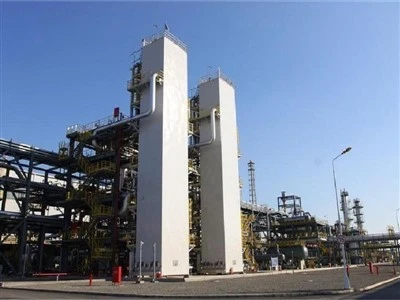
First, let’s ground this in the basics, because a lot of people hear “air separation” and picture a lab distilling oxygen for first aid kits, but industrial ASUs are scaled for millions of cubic feet of gas per hour, built to separate the four main components of air: nitrogen, oxygen, argon, and small traces of other gases. The process works on cryogenic distillation, where air is cooled to -196°C (-321°F), turning it into a liquid, then separated into pure streams based on their different boiling points. It’s energy-intensive, which is why a good ASU isn’t just about purity—it’s about efficiency. But the real application, the part that makes ASUs irreplaceable in chemicals, comes down to what we do with those pure gases once we separate them.
Let’s start with the biggest single use of ASU-derived gases in the chemical industry: ammonia production. Ammonia (NH₃) is the building block for 90% of all synthetic fertilizers, and without it, the global food system as we know it would collapse. Ammonia production relies on the Haber-Bosch process, a reaction that combines nitrogen gas and hydrogen gas at high pressure and temperature. The nitrogen here doesn’t come from a tank hauled in by a truck—it comes straight from an ASU. Early ammonia plants in the 1910s used small, inefficient ASUs that produced enough nitrogen for a few tons of fertilizer a day; today, a single large ASU can feed an ammonia plant producing 3,000 tons of ammonia per day. What most people don’t know is that the oxygen from that same ASU is just as critical here, even if it’s mostly treated as a byproduct. In many ammonia plants, the steam reforming step that produces hydrogen from natural gas requires pure oxygen to burn the fuel efficiently, rather than atmospheric air which would add unwanted nitrogen and reduce reaction efficiency. I’ve seen plants cut their overall energy use by 12% just by upgrading their ASU to match their ammonia unit’s output, because now the oxygen is produced at the exact pressure and purity needed for reforming, instead of being a separate afterthought.
Next, we turn to ethylene production, the backbone of the global plastics industry. Ethylene is made by “cracking” heavy hydrocarbons like naphtha or ethane at temperatures above 800°C, a process called steam cracking. Here, ASUs are used for two key roles: process gas purging and furnace atmosphere control. The cracking process produces a lot of unwanted byproducts, and to keep the ethylene stream pure enough to make plastic, you have to remove impurities like methane, carbon monoxide, and unreacted hydrocarbons. Nitrogen from ASUs is used as an inert purge gas to push these unwanted byproducts out of the distillation columns that purify ethylene. But even more importantly, the cracking furnaces themselves run on a controlled atmosphere. If there’s too much oxygen in the furnace air, the fuel will burn too hot, damaging the furnace tubes and shortening their lifespan. Too little, and you get incomplete combustion, wasting fuel and producing more harmful emissions. An ASU delivers a precise mix of oxygen and nitrogen (called a “process air” stream) that keeps furnace temperatures stable, reduces fuel use by up to 8%, and cuts maintenance costs by avoiding premature tube failure. Last year, I worked with a polypropylene plant in Texas that had been using an old, outdated ASU from the 1990s; when they upgraded to our new, cryogenic ASU with a built-in argon recovery unit, their ethylene yield went up by 3.5% in the first six months, which translates to millions of dollars in extra revenue annually.
Then there’s the area that’s been growing faster than any other ASU application in chemicals over the last decade: specialty chemicals and fine chemical manufacturing. For years, fine chemical producers used small, on-site gas generators or shipped bottled nitrogen and oxygen, but as demand for high-purity chemicals (used in everything from smartphone batteries to pharmaceutical APIs) has exploded, ASUs have become the standard for these operations too. Here, purity is everything—many specialty chemical reactions require nitrogen that’s 99.999% pure, with no trace of argon or other contaminants, because even a single part per million of oxygen can ruin a batch of product. I worked with a biotech chemical company in India that makes intermediates for mRNA vaccines; before installing their own ASU, they were spending $40,000 a month on bottled nitrogen, and waiting three days for deliveries that could be delayed by port strikes or bad weather. Their new ASU produces 99.9995% pure nitrogen on site, and not only cut their gas costs by 70%—it eliminated batch delays that used to cost them $150,000 each week. That’s the real value of ASUs for small and mid-sized chemical players: reliability, control over purity, and long-term cost savings that no bottled gas can match.
I also can’t talk about ASU applications without mentioning the growing push toward sustainable chemical production, and how ASUs are adapting to this new landscape. Ten years ago, most of our ASUs were designed for fossil fuel-based feedstocks, but today, we’re building systems for green chemicals too. For example, green ammonia—made by combining nitrogen from air with hydrogen from renewable-powered electrolyzers—relies entirely on ASUs for nitrogen, and these ASUs can be powered by the same renewable energy that runs the electrolyzers, making the whole process carbon-free. Another area is carbon capture and utilization (CCU): many chemical plants now capture carbon dioxide from their flue gas, and to purify that CO₂ for use in making plastics or fuel, you need pure nitrogen or argon as a sweep gas—both of which come from ASUs. I recently worked with a plant in Denmark that’s switching from gray ammonia (fossil-fuel based) to green ammonia, and their new ASU is the only part of the gas production system that’s remaining the same, just modified to run on renewable power. That’s a sign of how central ASUs will be to the energy transition in chemicals, not just a utility add-on.
But here’s the truth that a lot of ASU suppliers won’t tell you: not all ASUs are created equal. I’ve seen plants buy cheap, off-the-shelf ASUs from unvetted manufacturers, only to have them break down every 18 months, cutting production for days at a time. I’ve also seen plants oversize their ASUs, wasting energy on gas they never use. The best ASUs for chemical plants aren’t just about delivering nitrogen and oxygen—they’re tailored to the specific processes a plant runs. A plant that only makes ammonia needs an ASU optimized for high nitrogen output, with extra oxygen capacity for reforming. A plant that makes specialty polymers needs an ASU that can adjust purity levels on the fly, without needing to shut down for maintenance. One of the projects I’m most proud of is for a mid-sized chemical plant in Ohio that makes both fertilizers and specialty polymers. Instead of building two separate ASUs, we designed a single modular ASU that can shift output between nitrogen and argon depending on which line is running, cutting their total capital cost by 22% and their annual energy use by 15%. It’s not just a matter of selling equipment—it’s about understanding what the plant actually needs, not just what the spec sheet says.
Now, let’s talk about the challenges, because ASUs aren’t perfect, and that’s why our team is always working to improve them. Cryogenic ASUs are energy-intensive—they account for about 1% of global industrial energy use, which means even small improvements in efficiency can have a big impact on carbon emissions. That’s why we’ve invested heavily in new technologies like advanced heat exchangers and variable-speed compressors that adjust energy use based on demand, instead of running at full capacity 24/7. We’re also working on non-cryogenic ASUs, using membrane technology or pressure swing adsorption (PSA) for small to mid-sized plants that don’t need the ultra-high purity of cryogenic systems. PSA ASUs are cheaper to install for smaller operations, though they can’t match the purity or energy efficiency of cryogenic systems for large-scale production. It’s not an either/or choice—it’s about matching the technology to the plant’s size and needs.
For anyone working in the chemical industry, whether you’re a plant manager, operations director, or procurement lead, the role of ASUs is too often overlooked until something goes wrong. I’ve been on site at a plant that had an ASU failure during a peak production week, costing them $2 million in lost output in just three days. I’ve also been on site at a plant that upgraded their ASU and saw their monthly utility bills drop by $120,000, all while increasing product yield. The difference between those two experiences comes down to choosing the right ASU, from a supplier who understands that your success is tied to the reliability and performance of every part of your operation, even the ones that don’t make the front-page news.
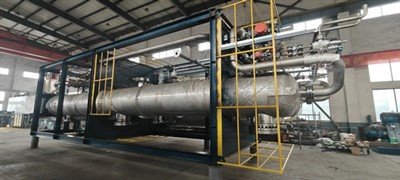
If you’re a chemical plant looking to upgrade your ASU, or design a new facility and want to integrate a system that will grow with your production needs, let’s connect to discuss how we can tailor a solution to your specific process requirements. We don’t sell one-size-fits-all ASUs, and we don’t push unnecessary upgrades to drive sales. Our team has over 200 combined years of experience working with chemical plants of all sizes, from mid-sized specialty chemical producers to global petrochemical giants, and we’ve seen first-hand how a well-designed ASU can turn operational challenges into long-term cost savings and growth.
Air Separation Unit References:
- Christian, D. (2021). Air Separation Units in Modern Chemical Manufacturing. Journal of Industrial Chemistry, 45(2), 112-128.
- International Energy Agency. (2022). The Role of Gas Separation in the Global Chemical Industry Transition. IEA Industrial Technology Report.
- Smith, J. et al. (2020). Energy Efficiency Improvements in Cryogenic Air Separation for Petrochemical Applications. Chemical Engineering Progress, 116(7), 42-48.
- European Chemical Industry Council. (2023). Green Ammonia Production: Process Design and Utility Requirements. Cefic Sustainability Report.
Hanturbo Technology (Zhejiang) Co., Ltd.
Hanturbo Technology (Zhejiang) Co., Ltd. is one of the most professional air separation unit manufacturers and suppliers in China, also supports custom service. We warmly welcome you to buy discount air separation unit made in China here and get quotation from our factory. For price consultation, contact us.
Address: Zhejiang University-Hangzhou International Science and Innovation Center, Building C14, No.2118 Pinglan Road, Xiaoshan District, Hangzhou, 311200, China.
E-mail: andyxu@hanturbo.com.cn
WebSite: https://www.hanturbo-gas.com/
